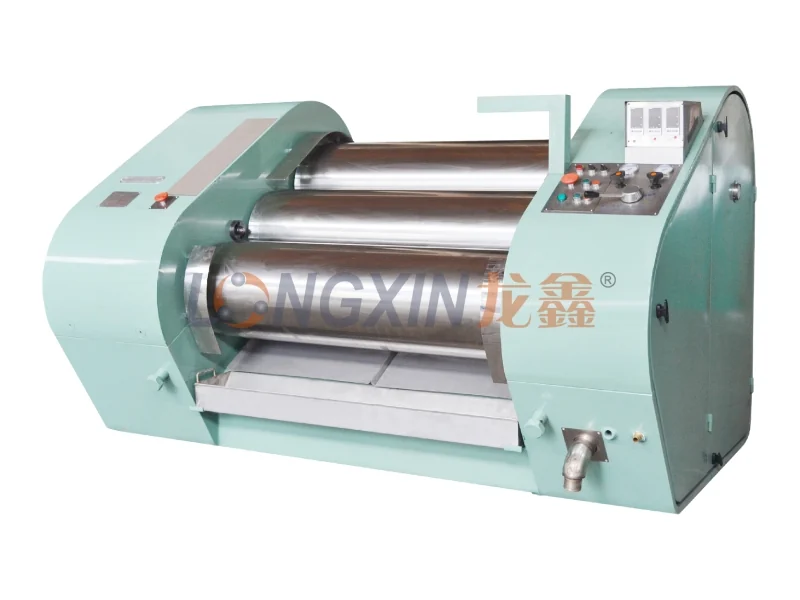
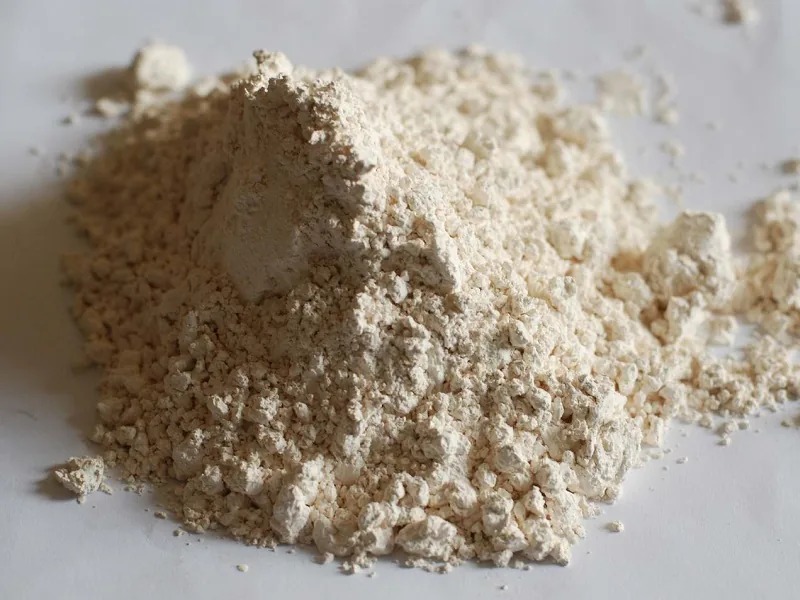
Longxin provides integrated wet grinding and spray drying lines for rare-earth polishing powders, including cerium-oxide-based and cerium-rich polishing materials used for optical glass, display glass, touch-screen cover glass and other precision surfaces.
For high-performance polishing powder, the production challenge is not only achieving a fine particle size. Hard agglomerates, broad particle-size distribution and secondary agglomeration during drying can increase the risk of scratches and reduce polishing consistency. The process therefore needs to coordinate deagglomeration, particle-size control and drying as one system.
Why Conventional Processing Can Limit Powder Quality
Rare-earth polishing powders are commonly produced through precipitation, calcination and size-reduction steps. After calcination, hard agglomerates may remain in the powder. Conventional dry milling can have difficulty breaking these agglomerates to the required submicron level.
Wet fine grinding can improve deagglomeration, but it creates a downstream separation and drying challenge. For very fine slurries, traditional solid-liquid separation can become inefficient and may create dense filter cake or material loss. Directly coupling wet grinding with spray drying provides an alternative route for converting the finely dispersed slurry into a stable powder.
Integrated Wet Grinding + Spray Drying Process
The reference process combines upstream precipitation and calcination with controlled pre-milling, wet nano grinding and spray drying. The key objective is to break hard agglomerates before drying and then remove liquid rapidly without allowing the fine particles to form large secondary agglomerates.
- Precipitation and precursor preparation
- Fluorination or other material-specific chemical treatment where required
- Calcination
- Pre-milling and particle conditioning
- Wet nano grinding and deagglomeration
- Spray drying and particle formation
- Fine-powder recovery and downstream classification or handling
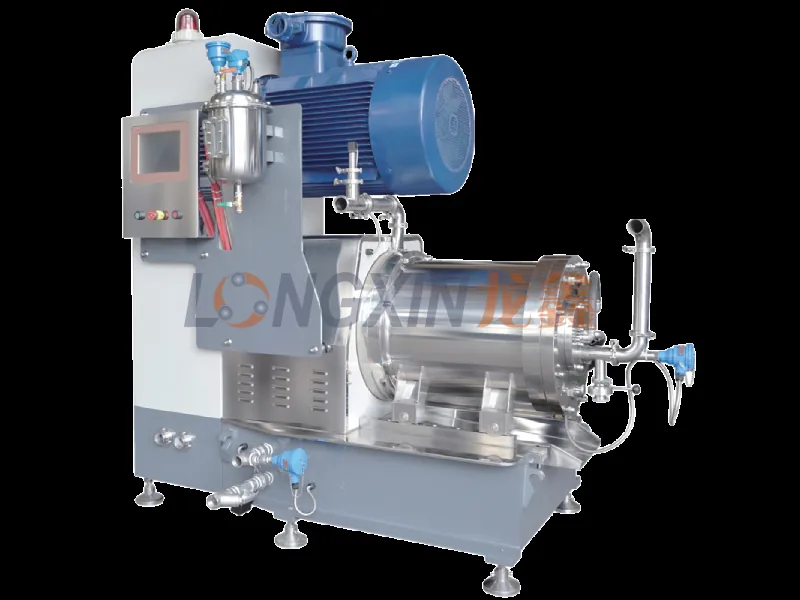
WSP High-Flow Bead Mill
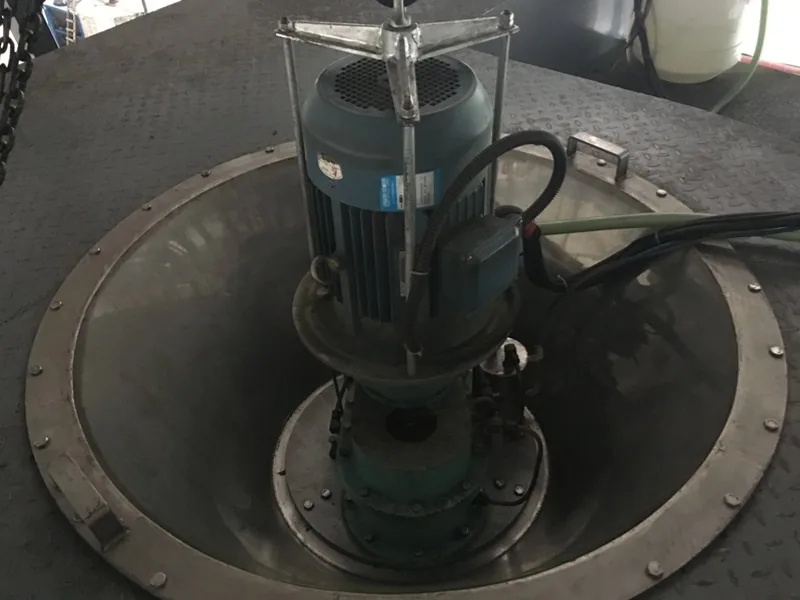
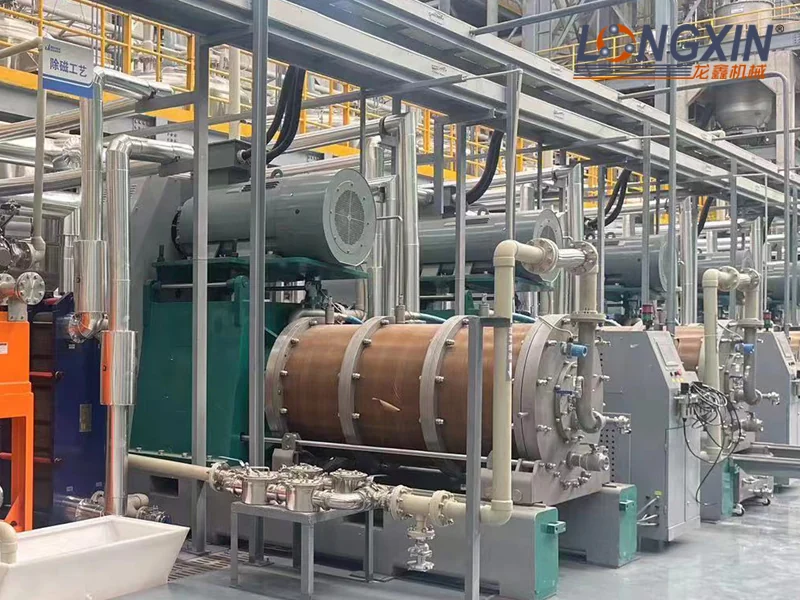
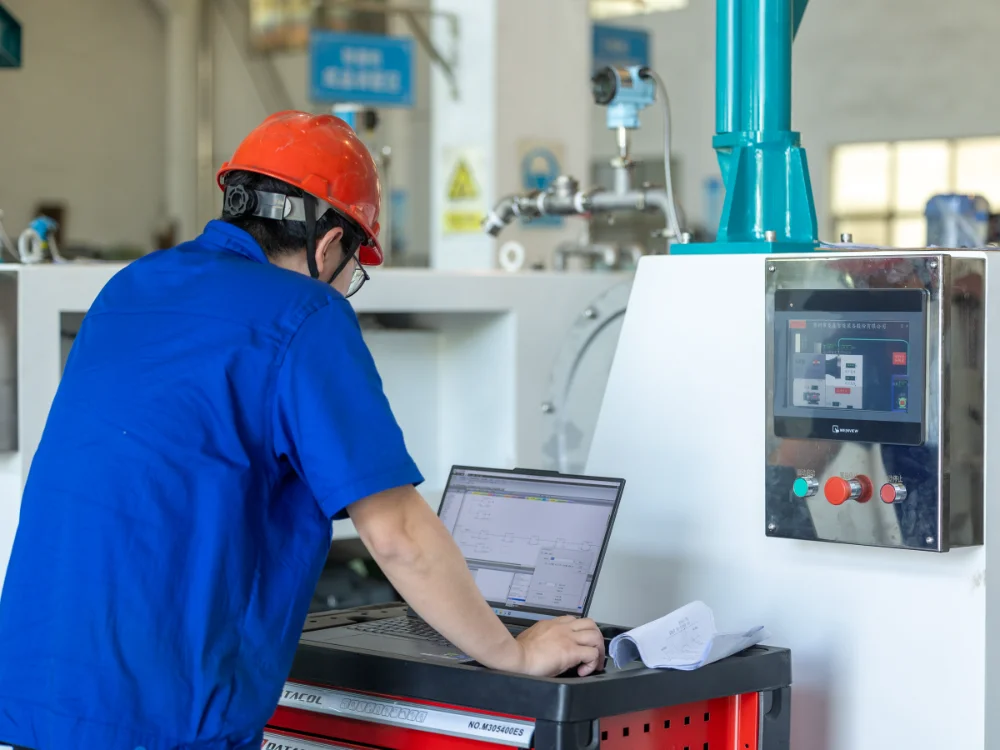
Longxin's WSP high-flow pin-type bead mill is used for wet fine grinding and deagglomeration of high-solids slurries. The grinding chamber, rotor structure, media size and separation system are selected according to viscosity, solids loading, target particle size and wear or contamination requirements.
Fine Grinding and Deagglomeration
The source process uses high-density zirconia grinding media in the approximately 0.3–0.8 mm range. Under suitable conditions, the system is intended to break hard agglomerates and move the dispersed particle population toward the submicron or nanoscale range. Actual achievable particle size depends on the feed material, grinding formulation and residence time.
High-Flow Continuous Operation
A large-area separation structure supports high slurry throughput while retaining the grinding media in the chamber. This configuration is intended to reduce screen blockage and support continuous industrial operation.
Closed Grinding and Temperature Control
Jacket cooling and controlled circulation help manage the heat generated during fine grinding. Mechanical sealing and closed material transfer can be configured to reduce air ingress, evaporation and external contamination.
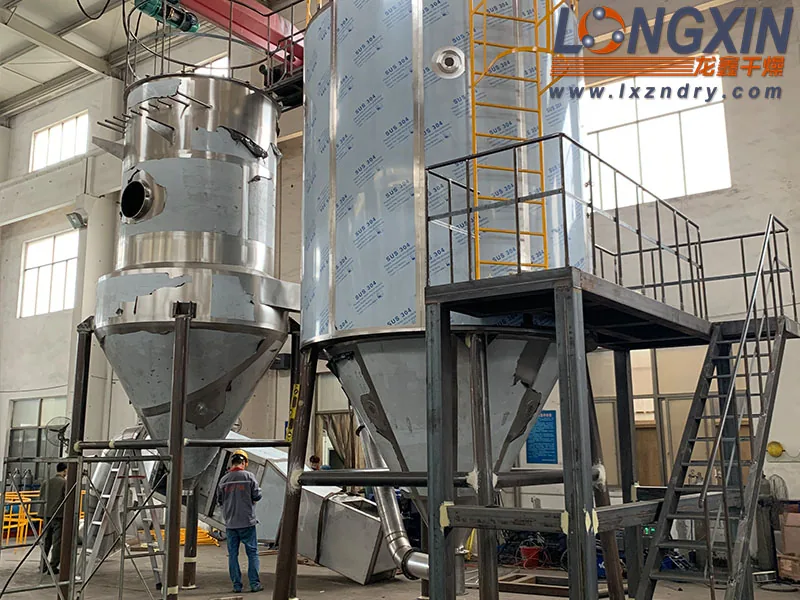
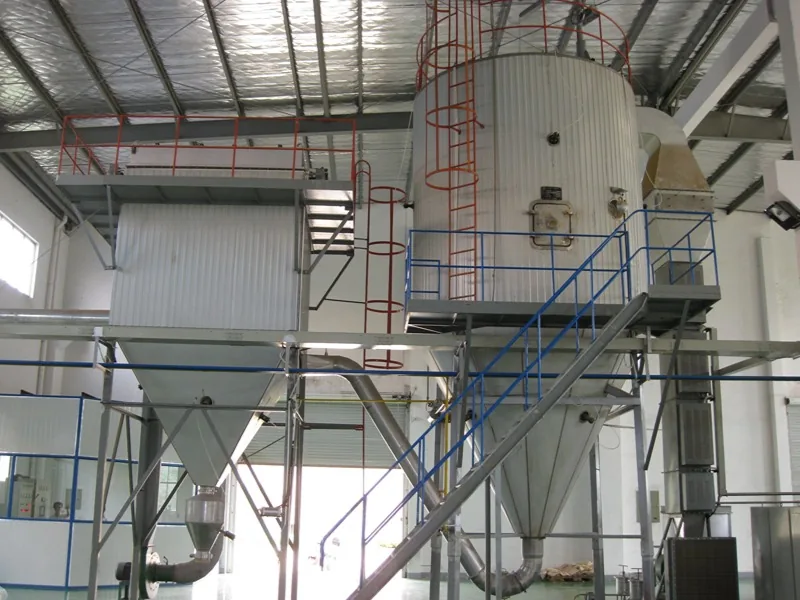
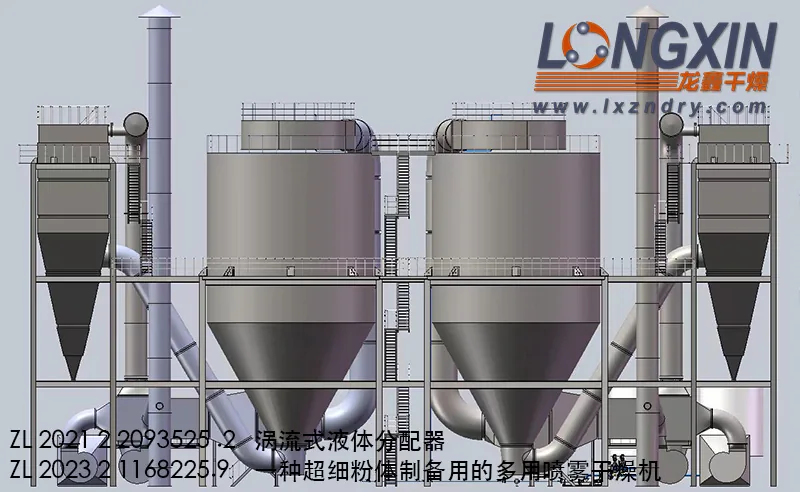
High-Temperature Spray Drying
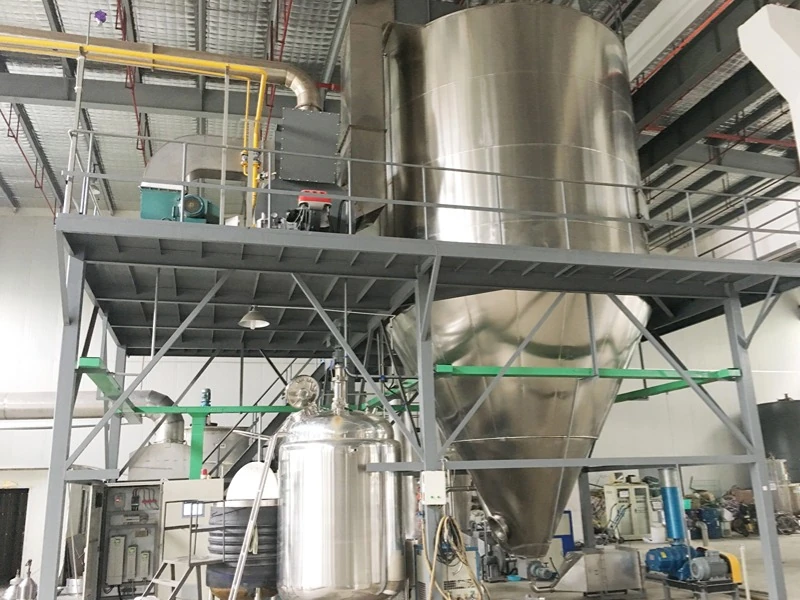
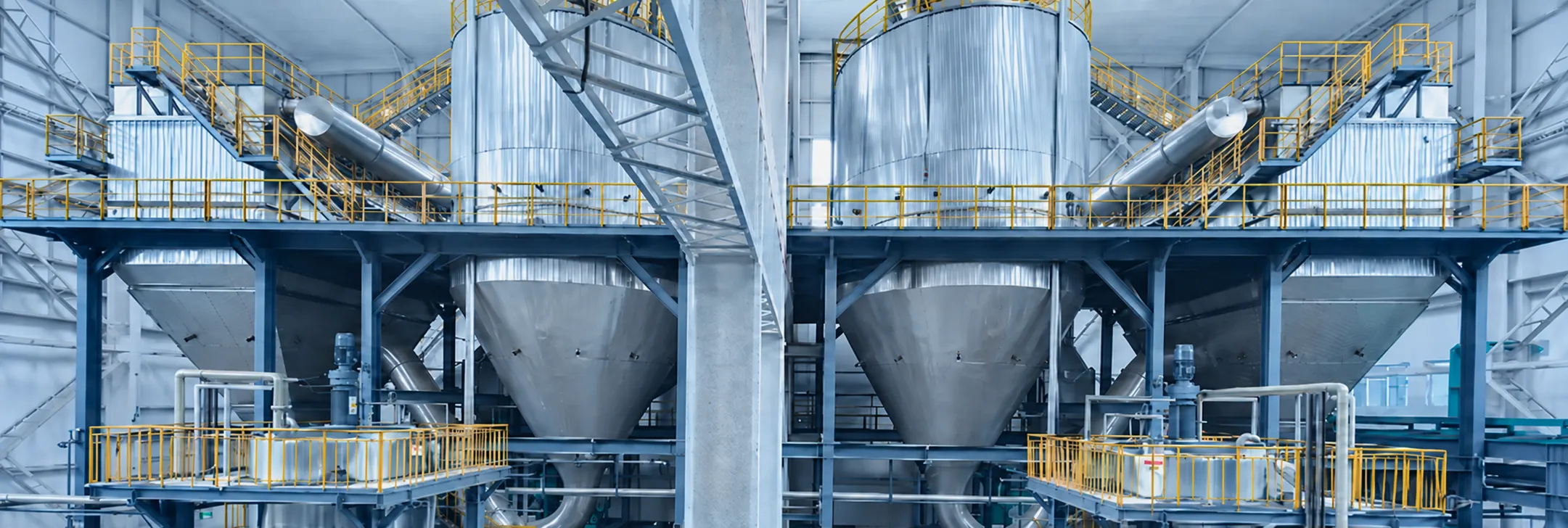
After wet grinding, the finely dispersed slurry can be fed directly to a spray dryer. Rapid atomization and drying reduce the need for a separate filtration and cake-drying stage and help preserve the dispersion achieved during wet grinding.
Optimized Hot-Air Distribution
CFD-assisted air-distribution design can be used to improve gas flow through the drying chamber and reduce local overheating or dead zones. Final airflow configuration is selected according to evaporation load, powder behavior and tower geometry.
High-Speed Centrifugal Atomization
The source documentation describes Longxin centrifugal atomizers operating across a broad reference speed range of approximately 5,000–25,000 rpm, with high disc-tip speeds for fine droplet formation. Final atomizer size and speed are selected after reviewing slurry viscosity, solids content and target powder characteristics.
Cooling, Monitoring and Fine-Powder Recovery
Atomizer cooling, temperature and vibration monitoring can be integrated for stable long-term operation. Cyclone and/or bag-filtration systems recover fine product powder from the exhaust stream, with filter configuration selected according to product temperature and particle size.
Expected Powder Characteristics
By combining wet deagglomeration with controlled spray drying, the process is designed to support:
- Reduced hard agglomerates
- Narrower and more controllable particle-size distribution
- Improved powder dispersion
- More consistent polishing behavior
- Lower risk of oversized particles that can contribute to surface scratching
- Continuous scale-up from slurry processing to dried powder
Typical Applications
- Cerium oxide (CeO2) polishing powder
- Cerium-rich rare-earth polishing materials
- Optical lens polishing materials
- LCD and display-glass polishing powders
- Touch-screen cover-glass polishing powders
- Other fine functional powders requiring wet deagglomeration followed by spray drying
Project Information Required
For process design, provide the feed-powder composition, slurry solids content, viscosity, initial and target particle-size distribution, required polishing-powder specification, throughput, evaporation load and contamination limits. Material testing can be used to confirm grinding and drying behavior before industrial scale-up.
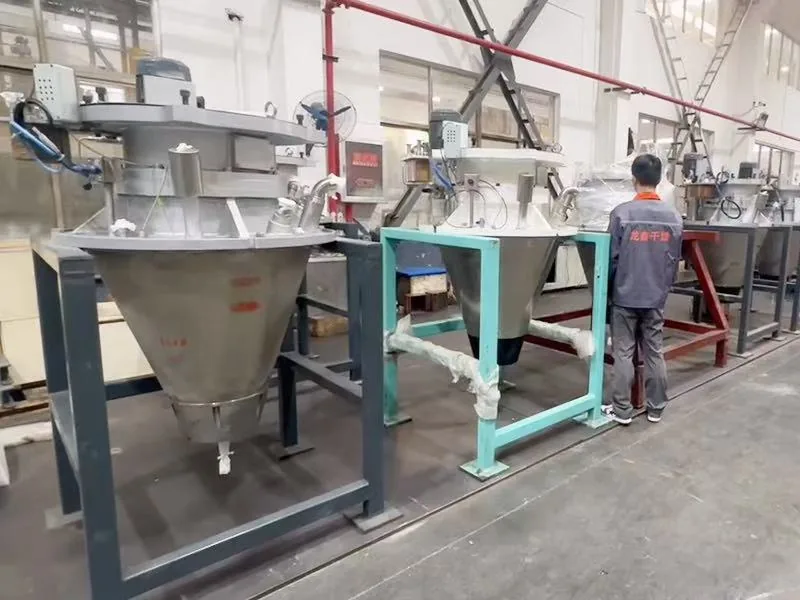
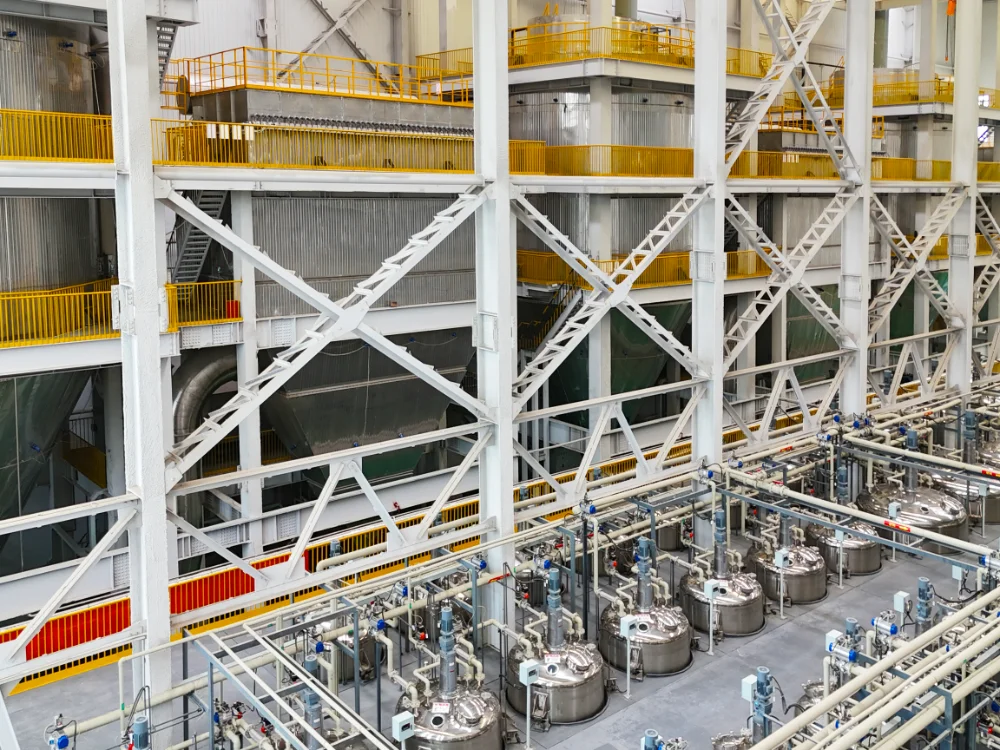
Longxin can supply the bead mill and spray dryer as individual units or engineer an integrated production line including slurry preparation, grinding, circulation, atomization, drying, powder recovery and process control.
Selection Questions
Why is wet grinding paired with spray drying?
Wet fine grinding can break hard agglomerates after upstream calcination. Directly drying the dispersed slurry by spray atomization can reduce reliance on separate filtration and filter-cake drying while producing powder for downstream handling.
What data is needed for a polishing-powder line?
Provide feed composition, slurry solids and viscosity, initial and target particle-size distribution, throughput, evaporation load, contamination limits and required polishing-powder properties.
Related Equipment and Applications
Discuss your material and request an equipment recommendation.