


From Filter Cake and Paste to Dry Powder
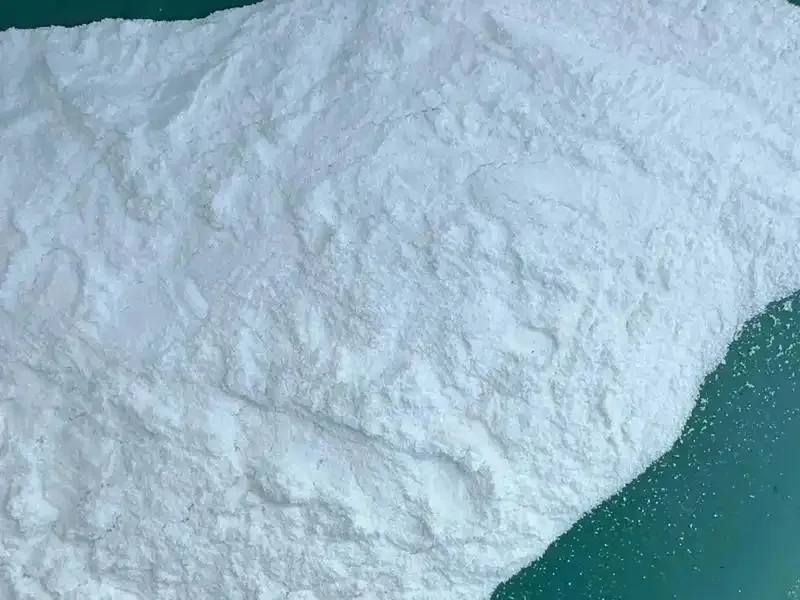
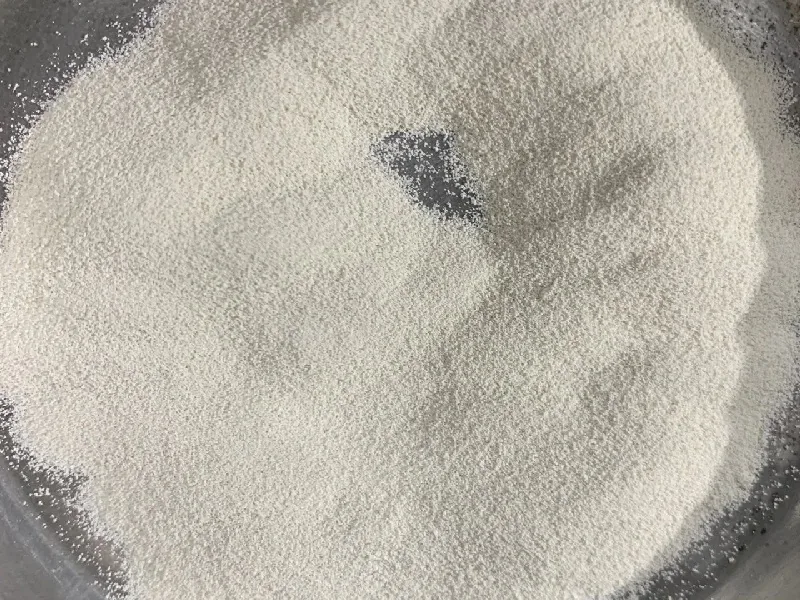
The XSG spin flash dryer is designed for continuous drying of filter cakes, pastes and suitable slurries. Mechanical disintegration exposes fresh surface area to hot air, while classification within the drying chamber helps control the particles leaving the system.
The short residence time is particularly useful where rapid moisture removal is required. The reference drying time is on the order of tens of seconds; actual performance depends on the feed, air temperature, airflow and rotor settings.
How Spin Flash Drying Works
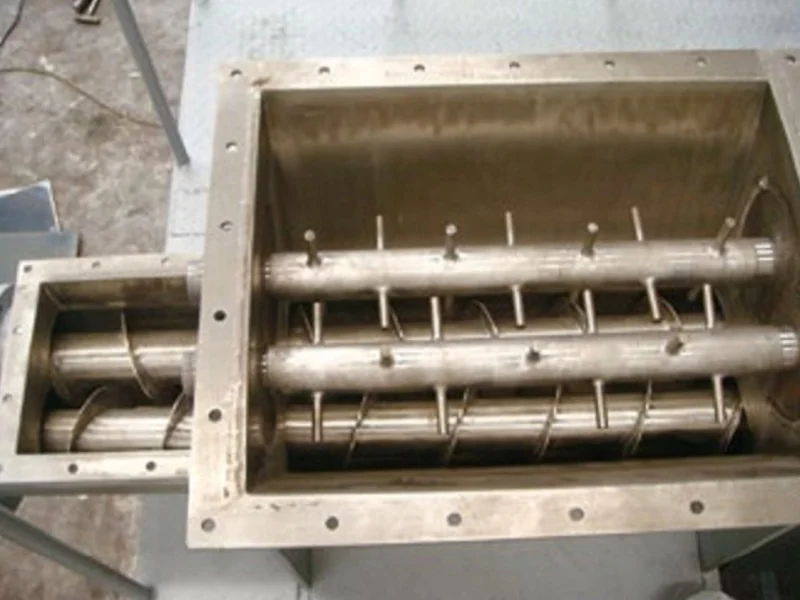
- Controlled feeding: a screw feeder or other selected feeding device supplies wet material to the drying chamber at a steady rate.
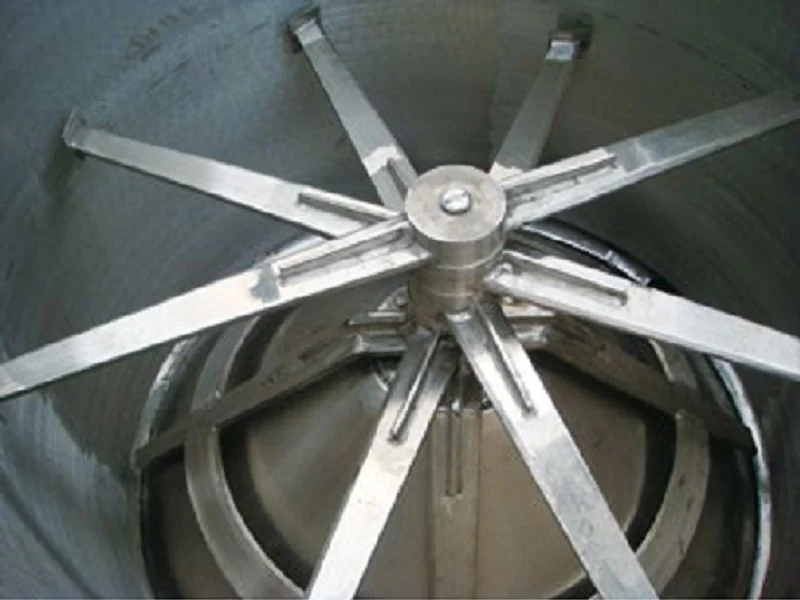
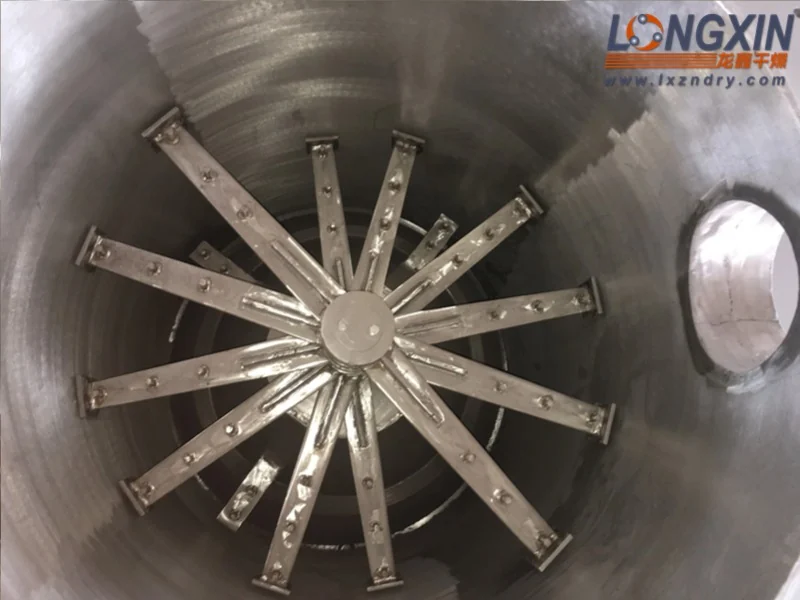
- Disintegration and dispersion: the high-speed rotor breaks up wet lumps through impact and shear. The dispersed material presents a larger surface area for drying.
- Tangential hot-air contact: heated air enters near the bottom of the chamber and forms a swirling flow. The particles contact the hot air and release moisture.
- In-chamber classification: the classification ring and swirl elements help retain larger, wetter particles for further treatment while suitable dried fines leave with the gas stream.
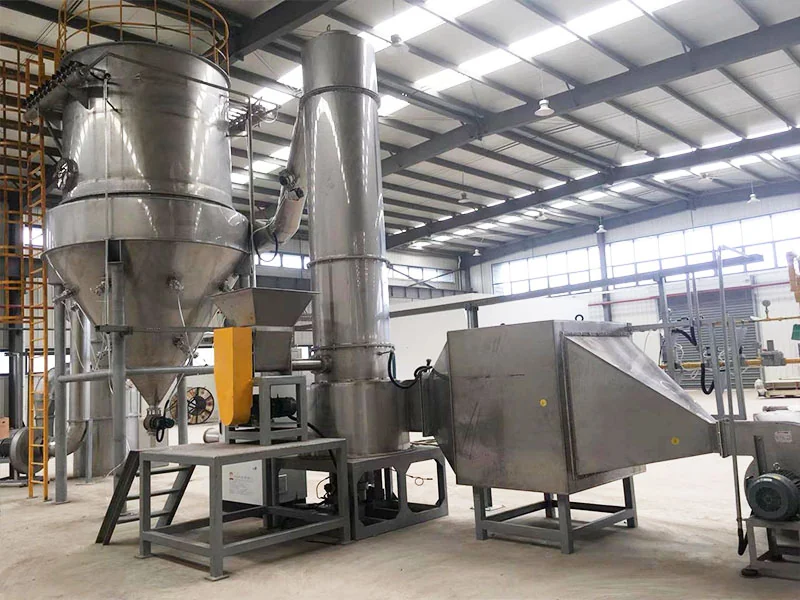
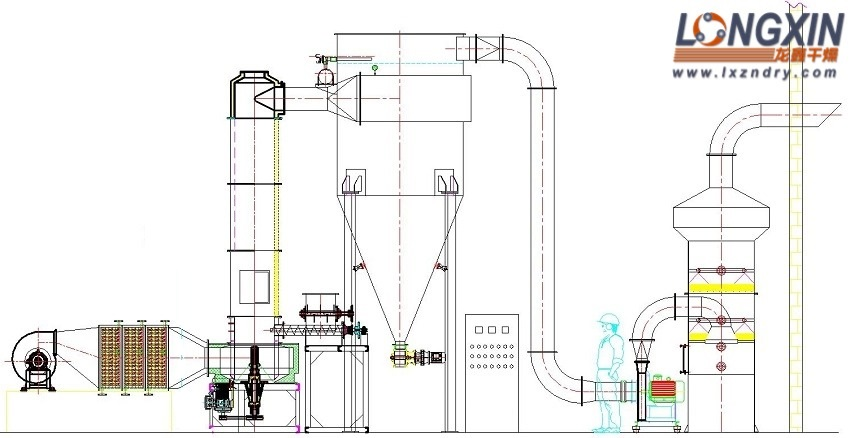
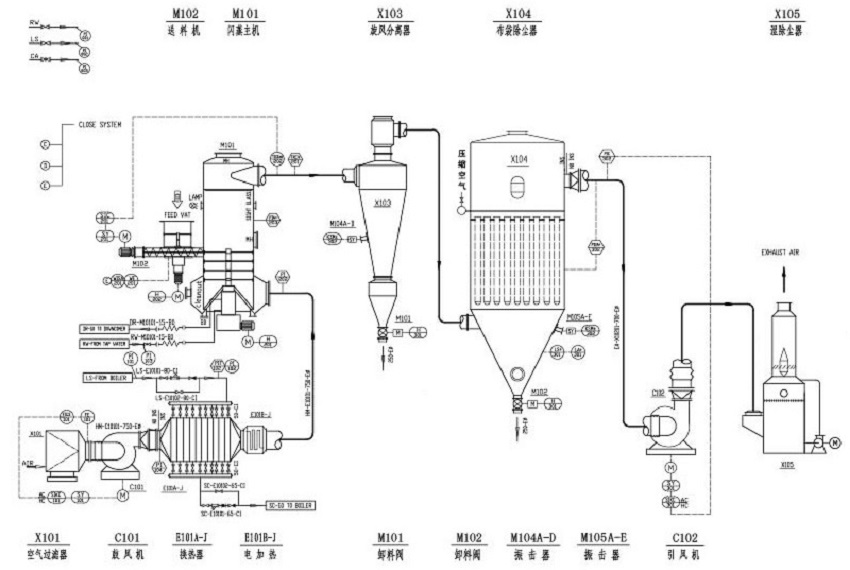
- Powder collection and exhaust treatment: downstream collection equipment separates powder from the gas. A cyclone, bag filter and wet scrubber can be combined as required by the selected process.
- Process control: temperature, airflow and disintegrator settings are adjusted to the feed and the required powder properties.
Features for Stable Continuous Operation
- Rapid drying: intensive dispersion and direct hot-air contact support short drying times.
- Adjustable powder properties: inlet air velocity, airflow, rotor speed and classification settings provide control over particle size and residual moisture.
- Material-specific feeding: several feeder arrangements are available to maintain feed continuity and reduce bridging.
- Cooling at the chamber base: a dedicated cooling arrangement helps protect suitable materials from deterioration in the hotter lower section.
- Drive protection: air-pressure sealing and bearing cooling help protect the drive assembly.
- Air distribution: a purpose-designed distributor helps balance airflow within the chamber and reduce pressure losses.
- Reduced wall buildup: high circumferential gas velocity and short residence time help limit material accumulation and excessive heat exposure.
System and Collection Options
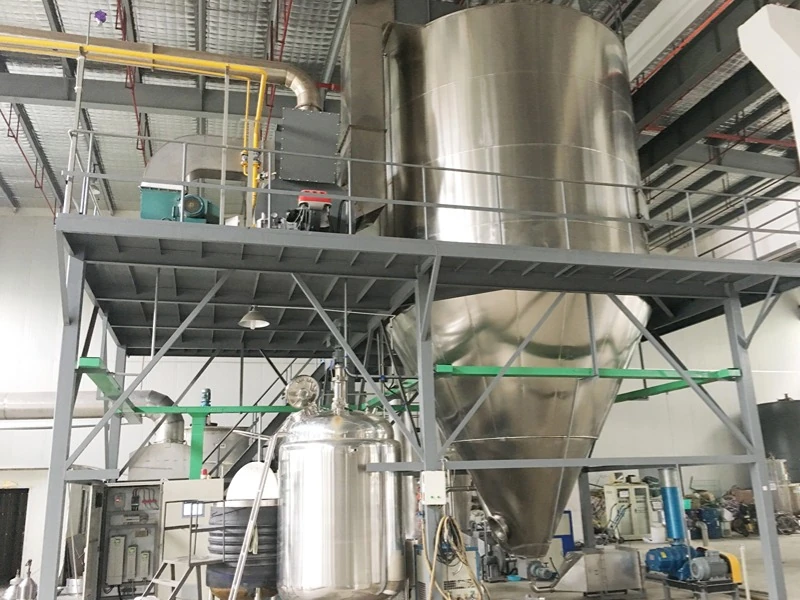
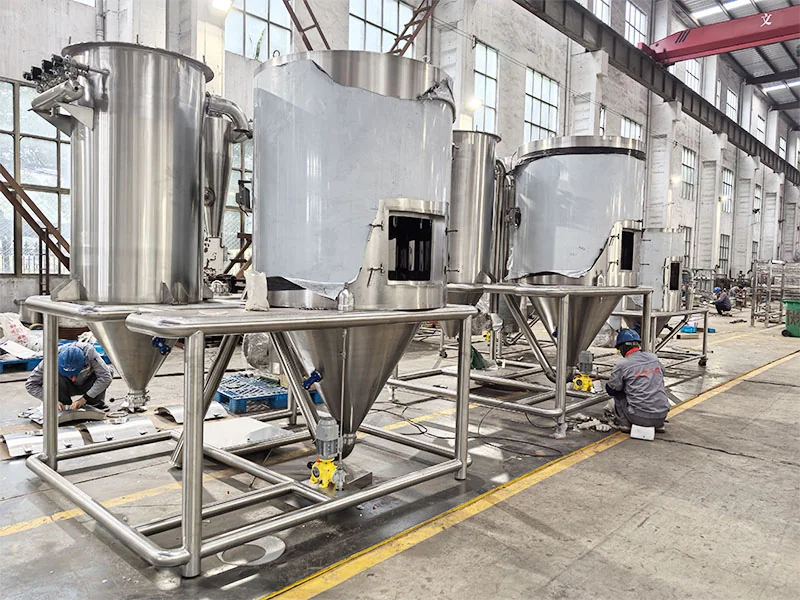
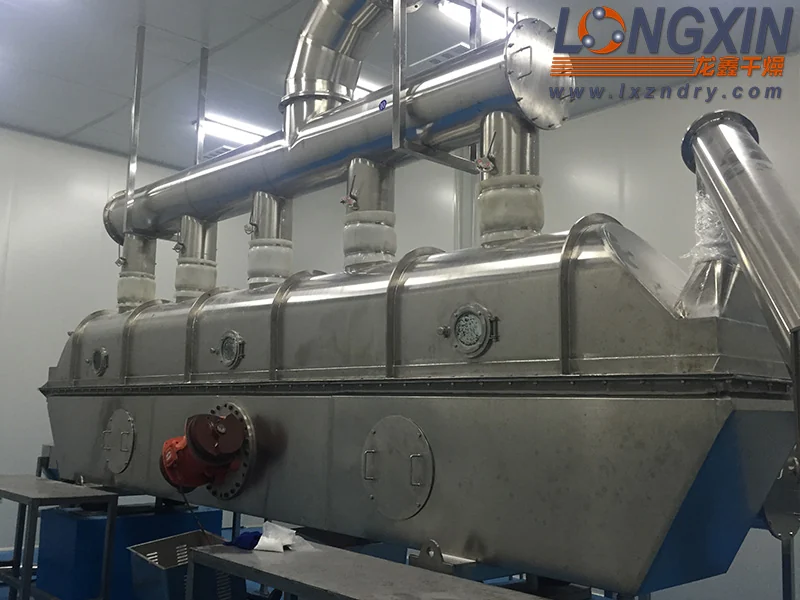
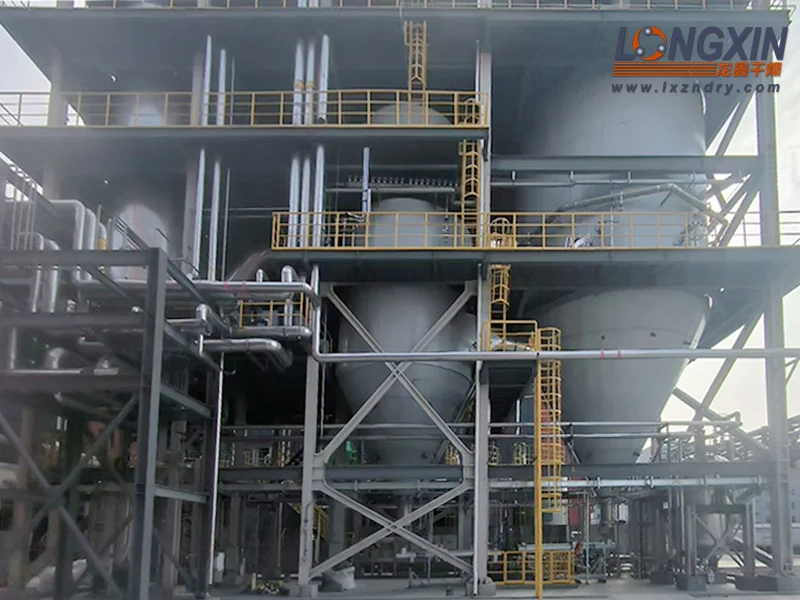
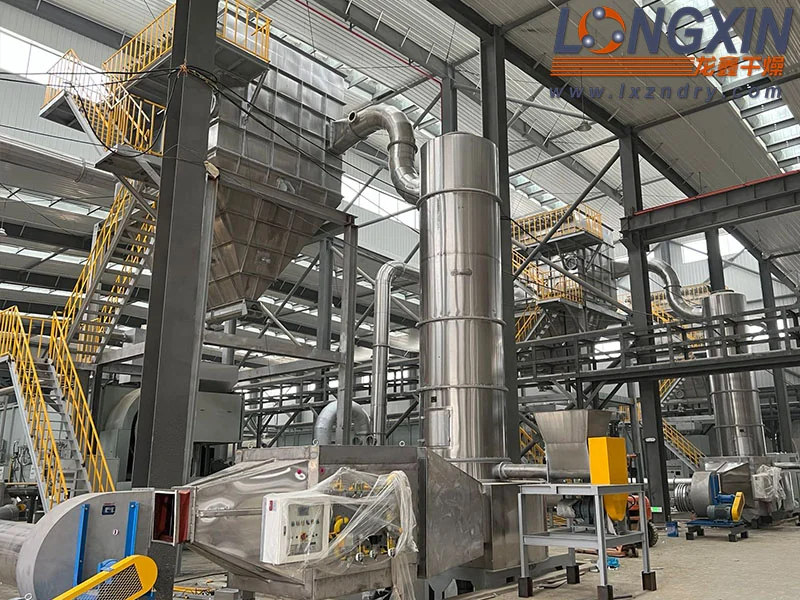
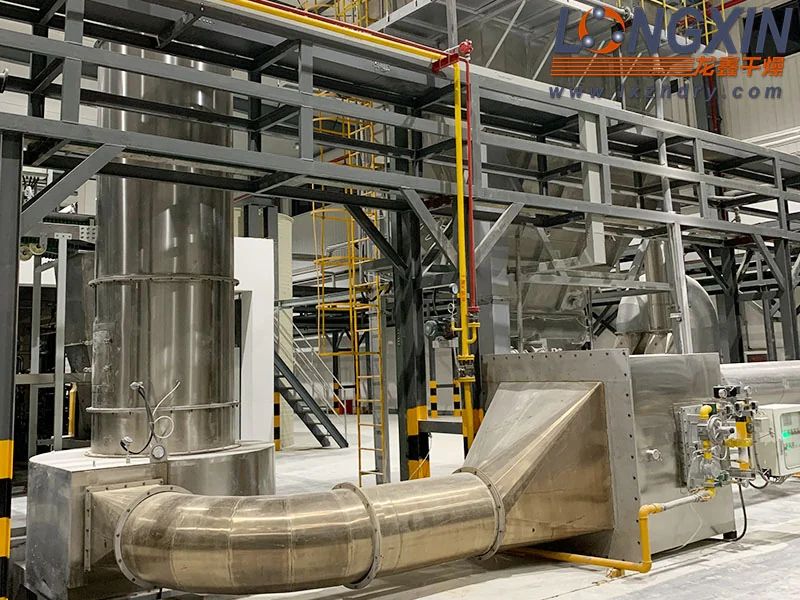
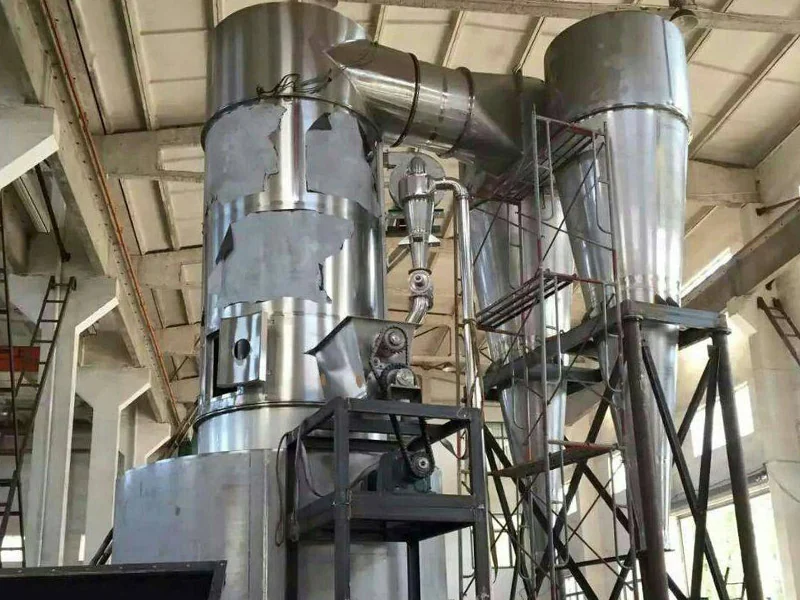
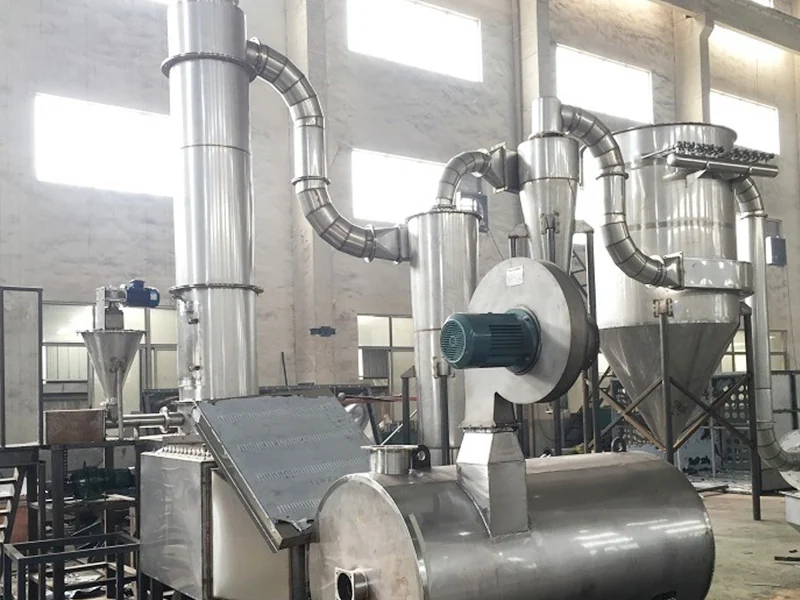
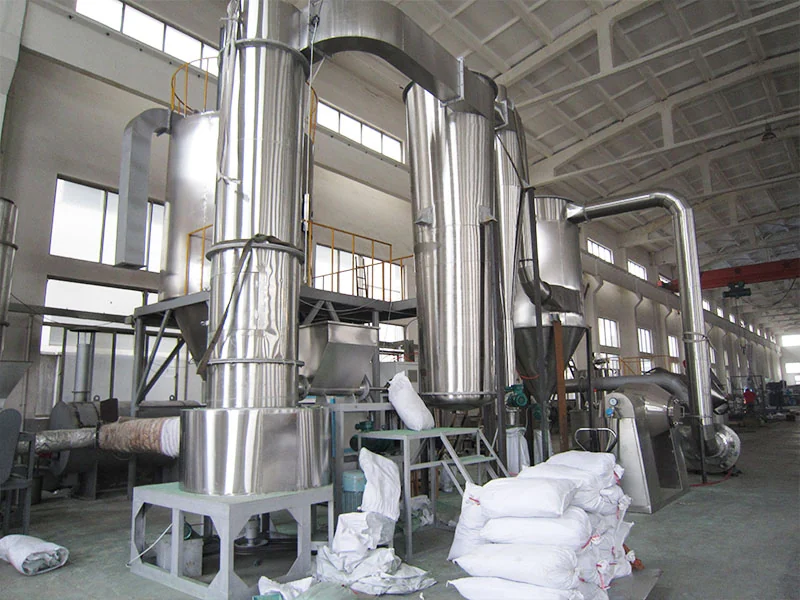
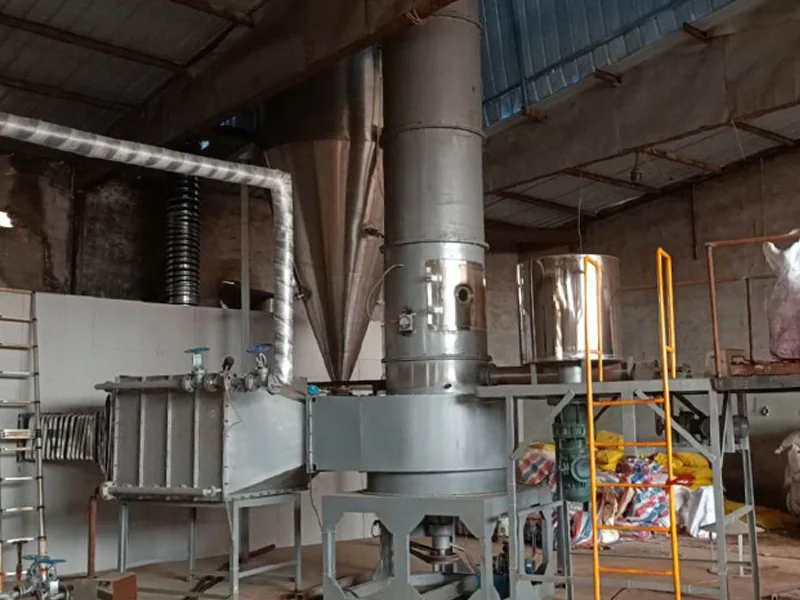
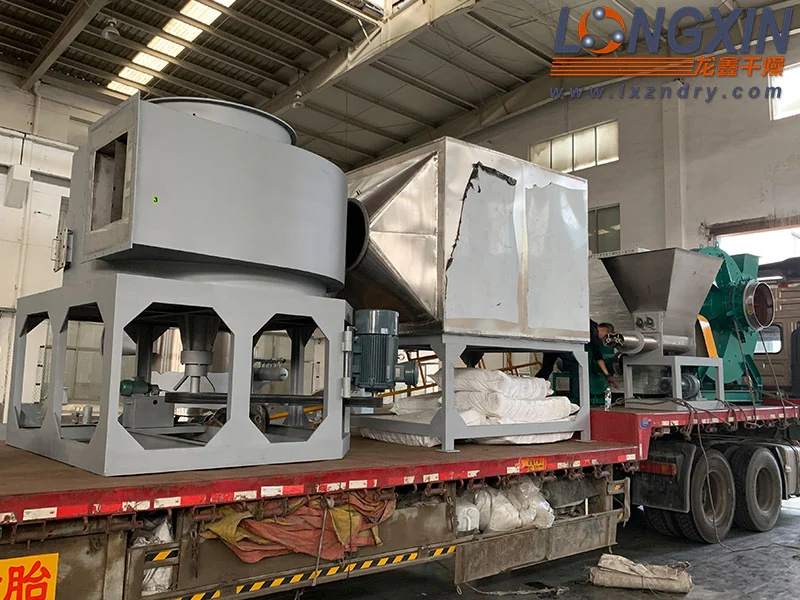
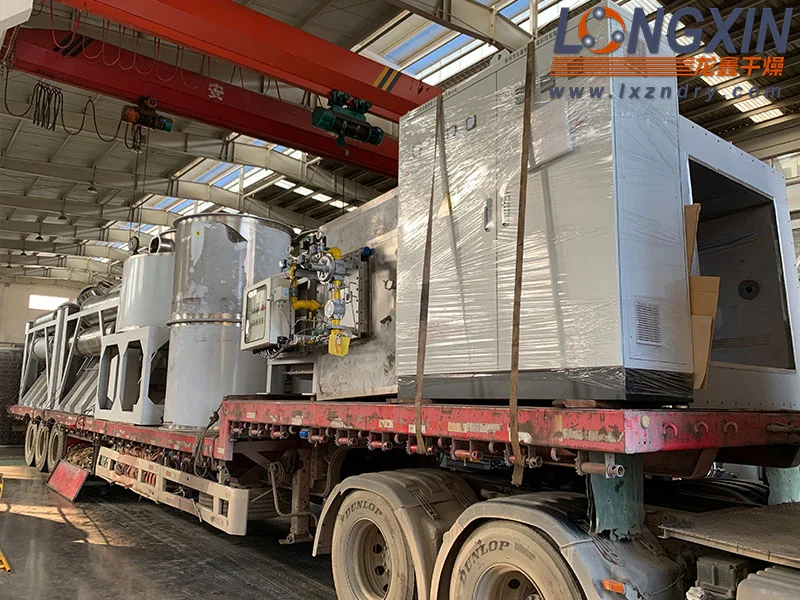
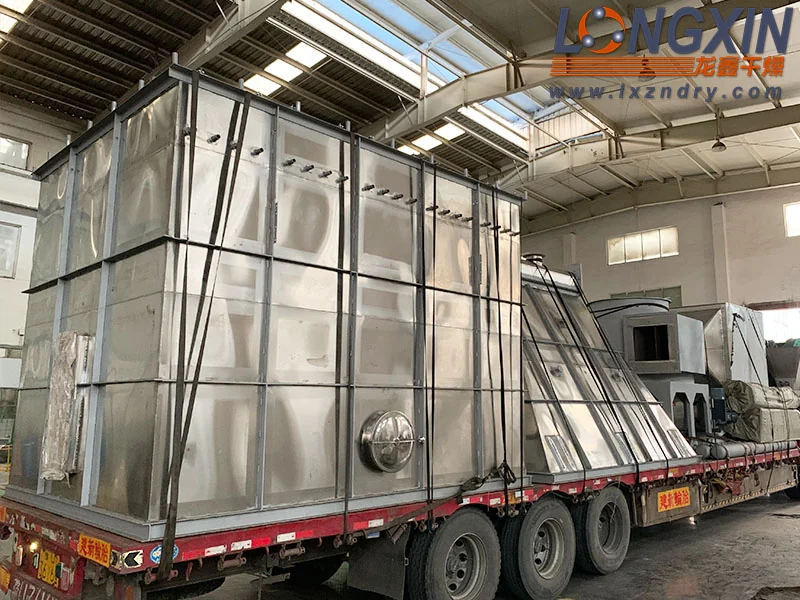
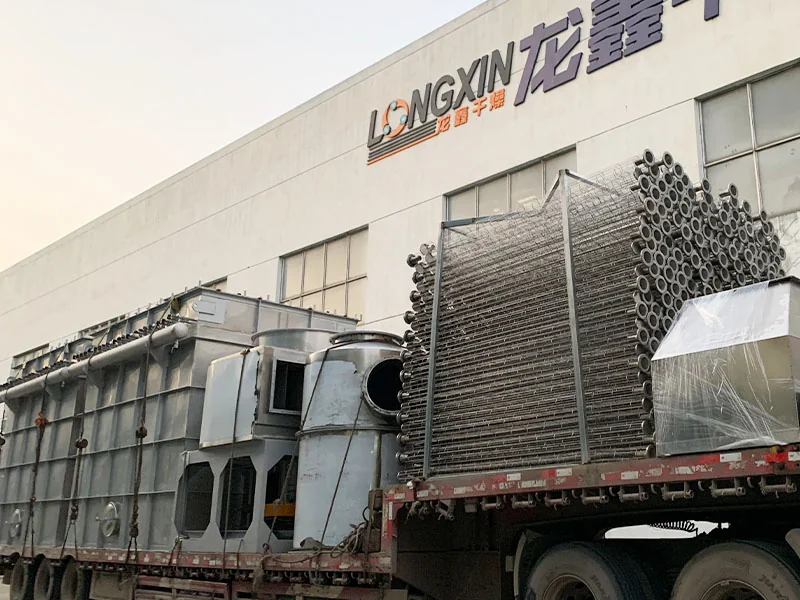
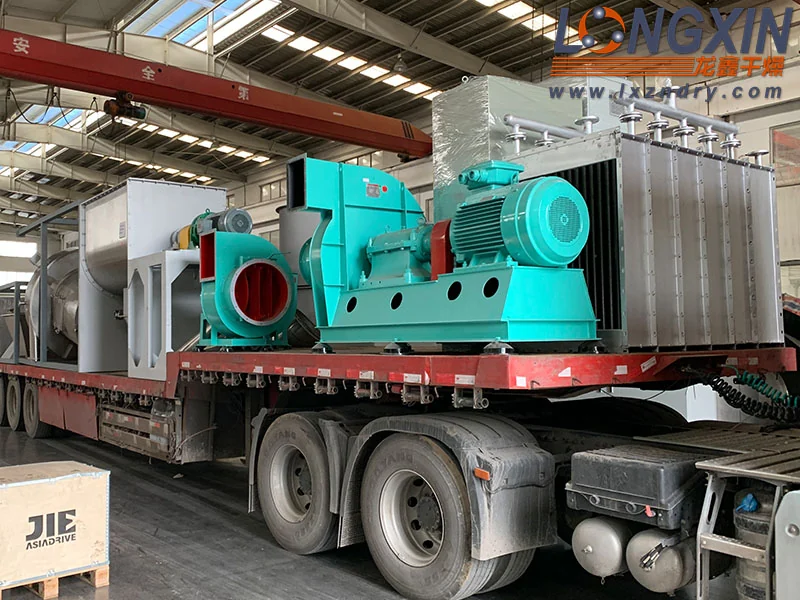
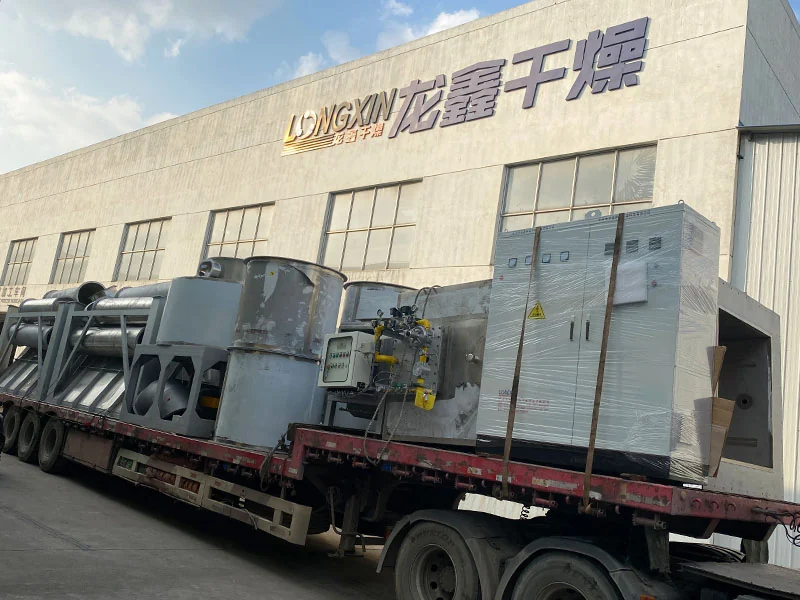
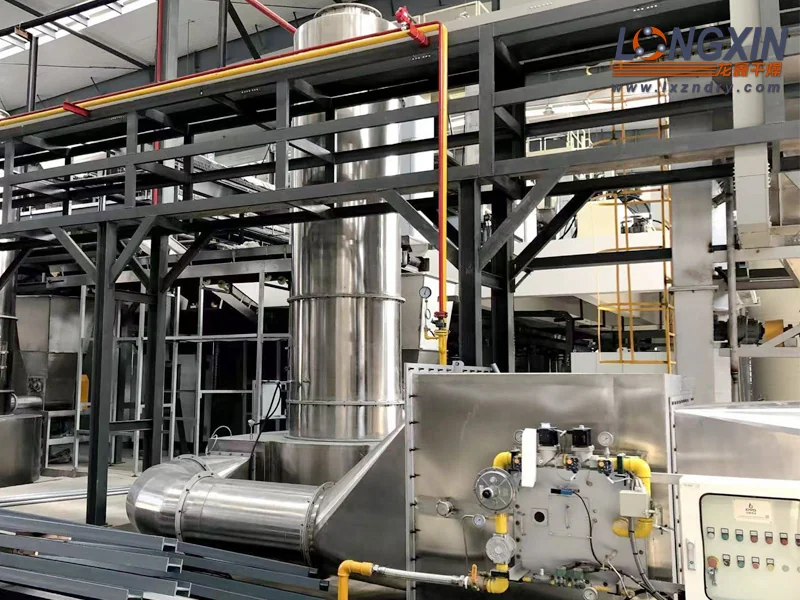
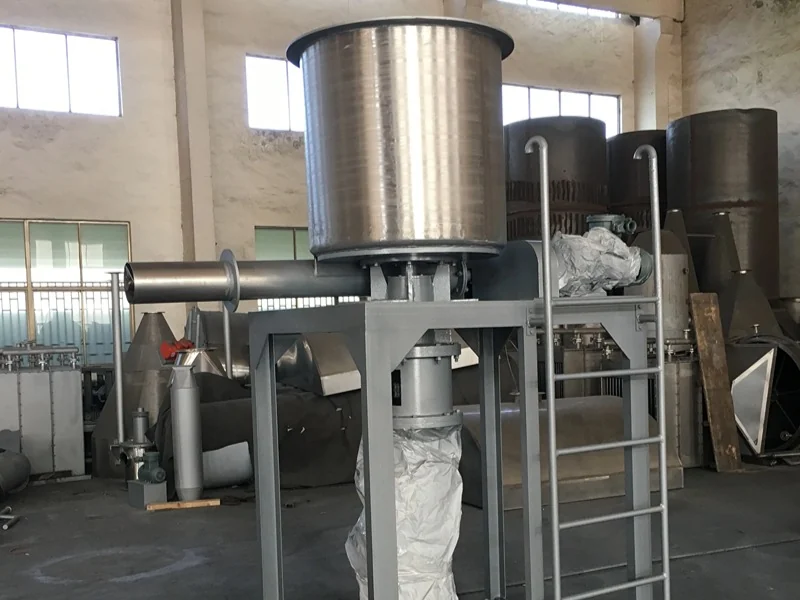
The equipment can be supplied with different feeding, air-heating and collection arrangements. The gallery includes standard installations, an XSG-16 system, a closed-loop configuration, a combined spin flash and swirl drying installation, and a pigment-processing installation.
Bag filtration can be used for powder recovery. Where the process requires staged collection and exhaust cleaning, the illustrated arrangement combines a cyclone, bag filter and wet scrubber. The selected configuration depends on the feed, powder characteristics and exhaust-treatment duty.
Typical Materials and Applications
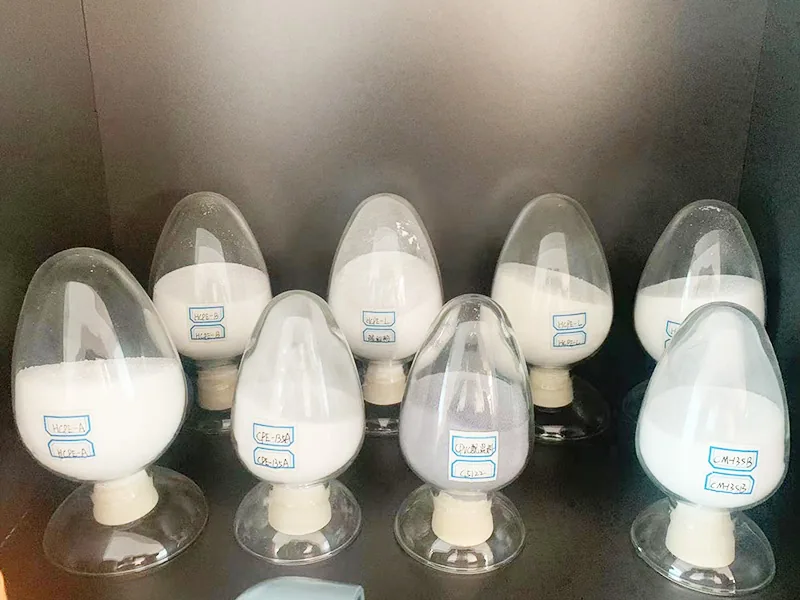
Spin flash drying is used across pigment, dye, chemical, food, feed and agrochemical production. Feed consistency, temperature sensitivity and the required powder characteristics determine whether a particular material is suitable.
- Pigments and dyes: organic pigments, iron oxide pigments and dye intermediates.
- Inorganic chemicals: calcium carbonate, metal hydroxides, copper sulfate and related filter cakes or pastes.
- Organic chemicals: benzoic acid, sodium oxalate and cellulose acetate, subject to process suitability.
- Food and feed ingredients: soy protein, starch-based materials and distillers’ grains.
Reference model specifications and selected material-processing examples are provided in the Technical Specifications tab. They are selection references; the equipment and operating conditions are matched to the intended feed.
Define Your Flash Drying Requirements
For equipment selection, share the material composition, feed consistency, initial and target moisture, feed rate or required powder output, target particle size and temperature limits. Include the heating medium, utilities, installation space and requirements for feeding, powder collection, exhaust treatment or closed-loop operation.
Selection Questions
Which wet feeds can an XSG spin flash dryer process?
Suitable filter cakes, pastes and slurries can be evaluated. Feed consistency, temperature sensitivity, required particle size and final moisture determine whether this drying route fits the material.
What information is needed to size the dryer?
Share material composition, feed consistency, initial and target moisture, feed rate or powder output, target particle size, temperature limits, heating utilities, installation space and collection or exhaust-treatment needs.
Related Equipment and Applications
Discuss your material and request an equipment recommendation.