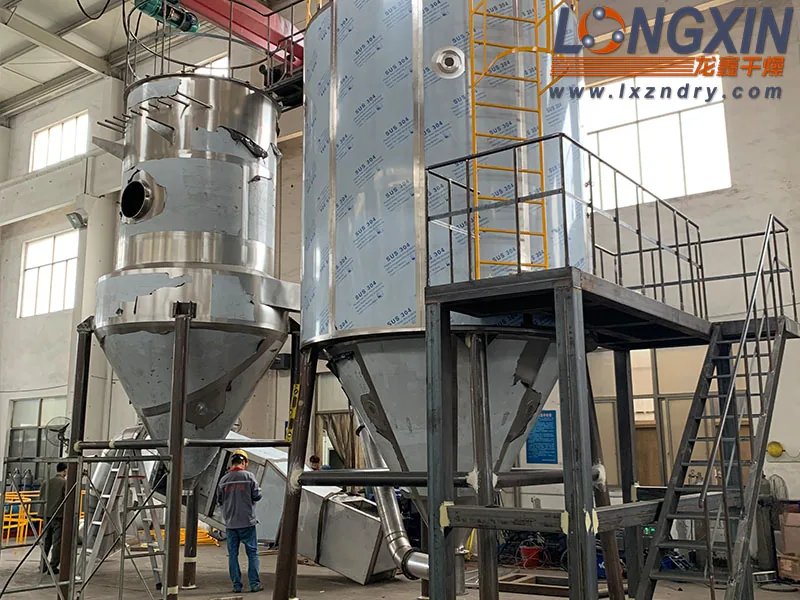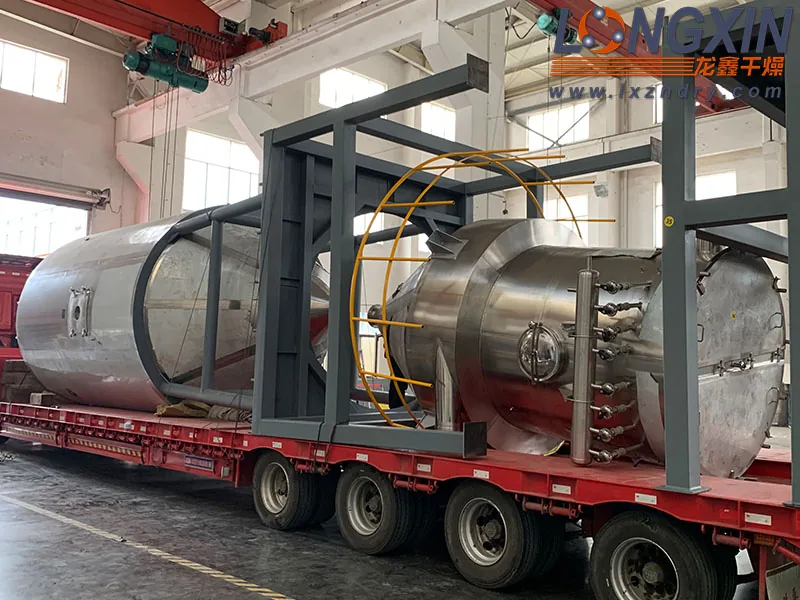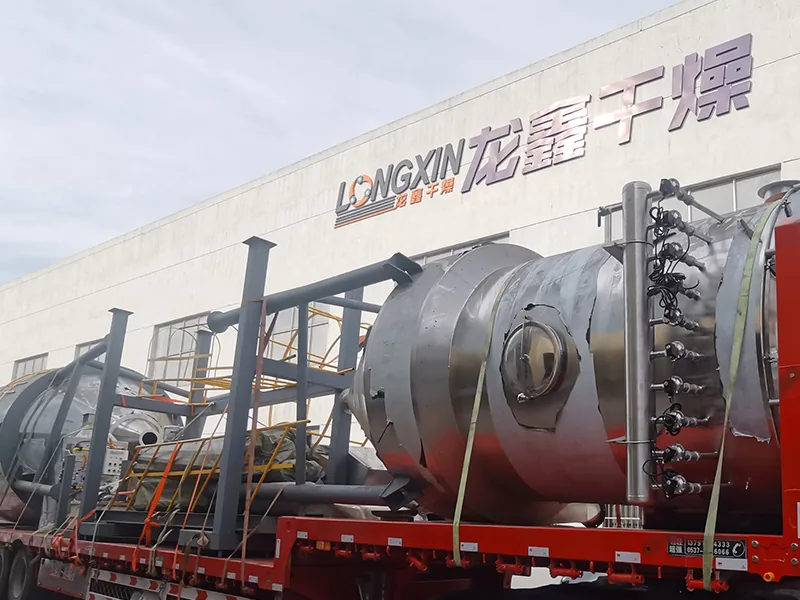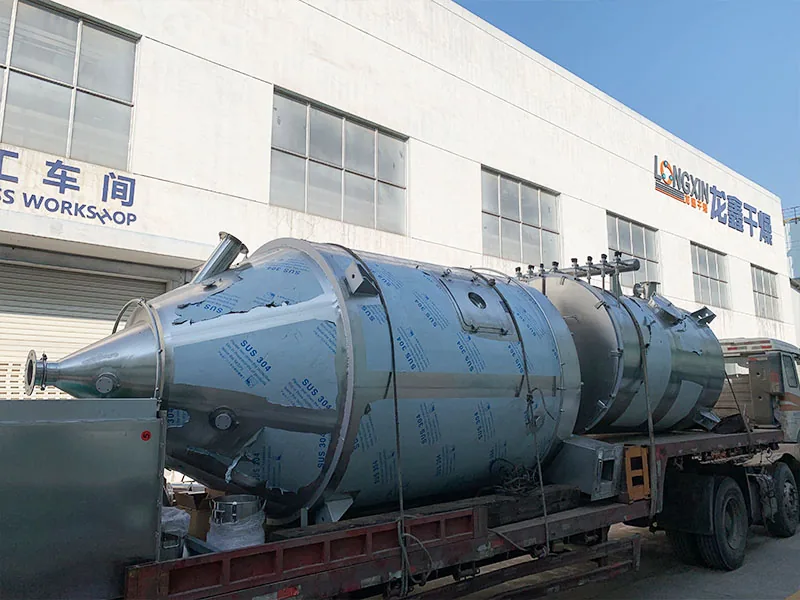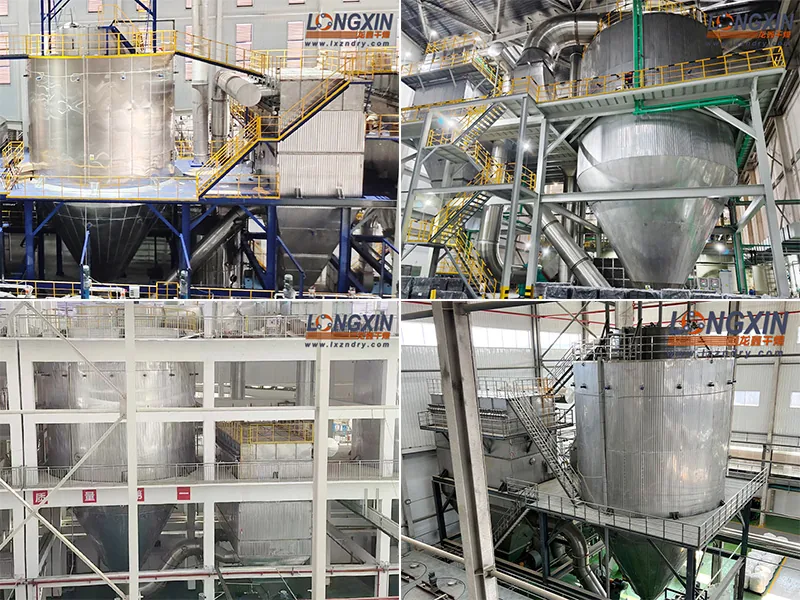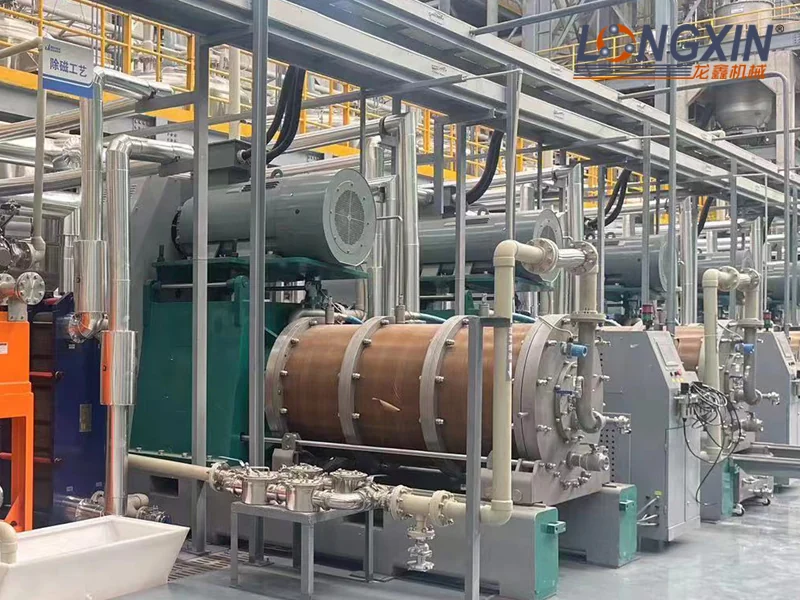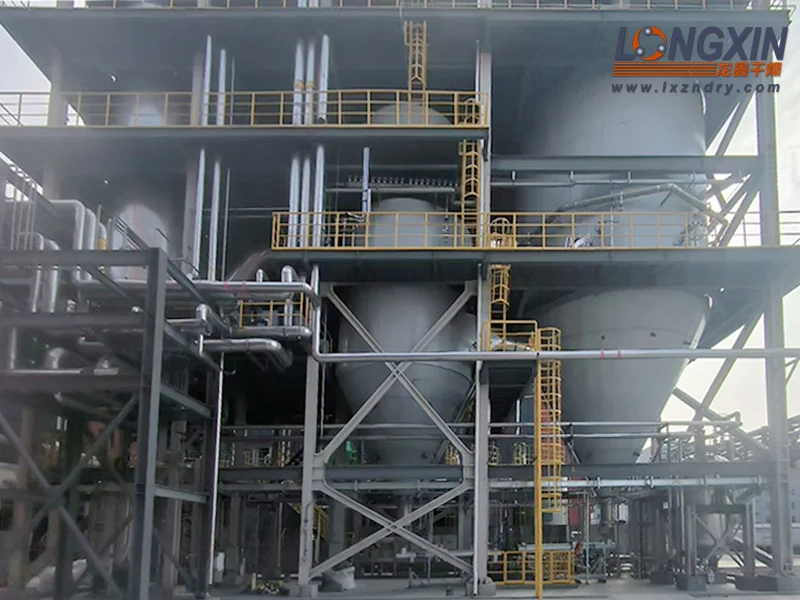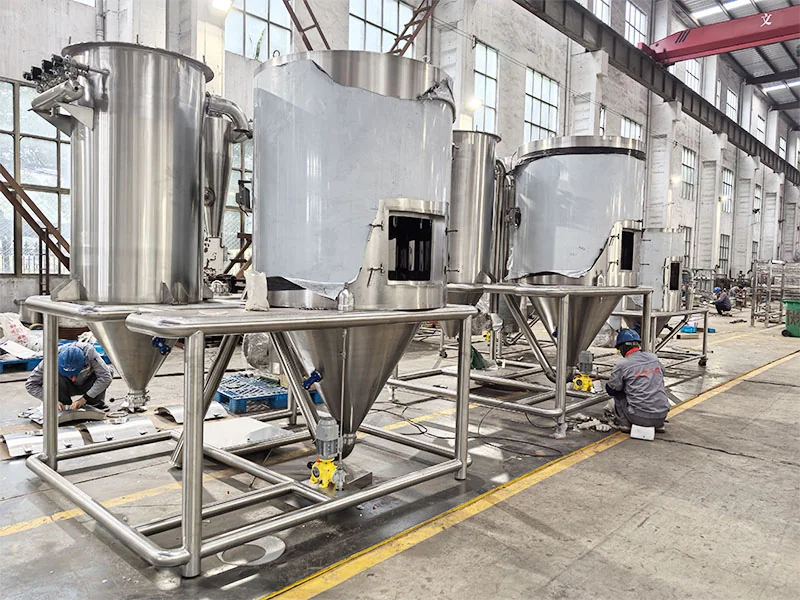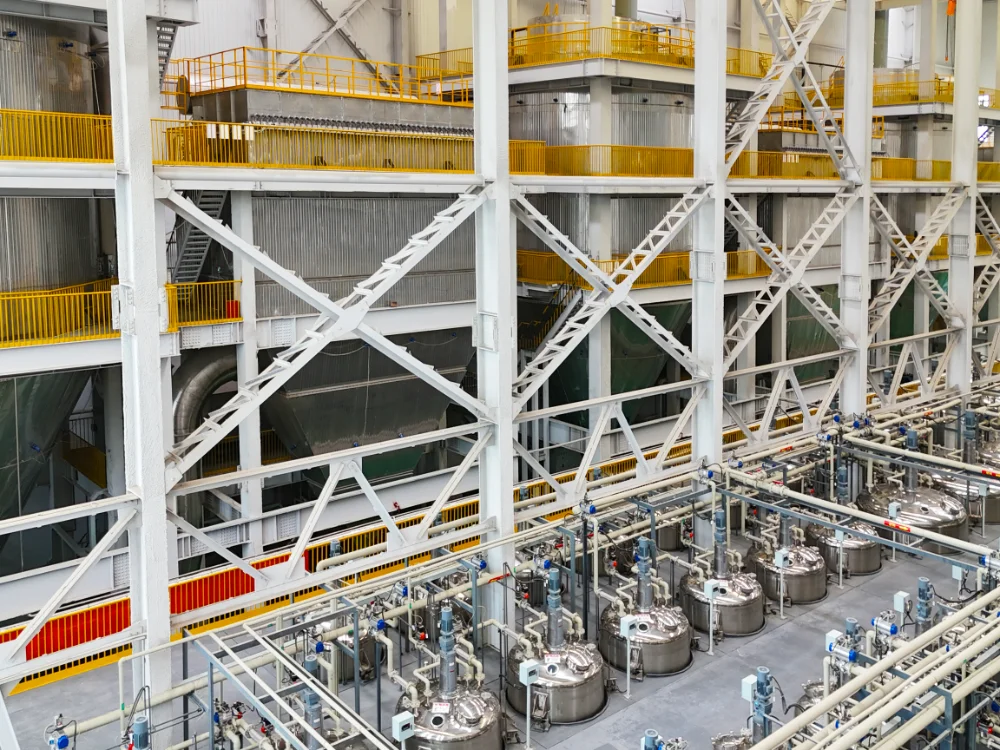
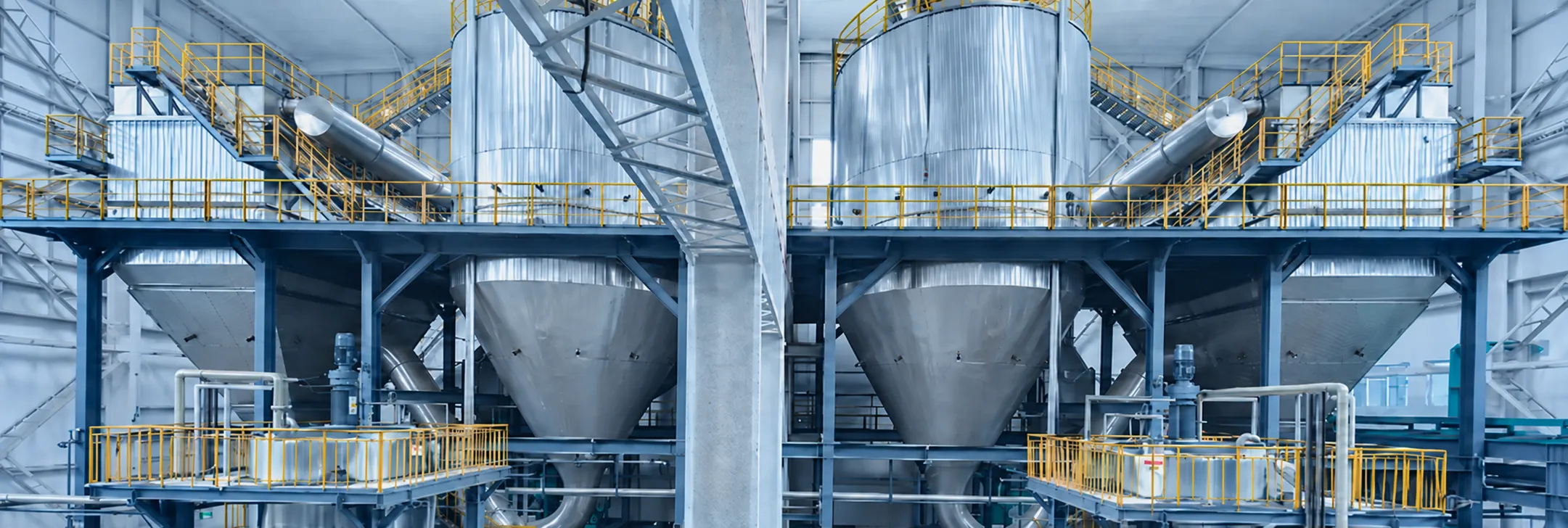
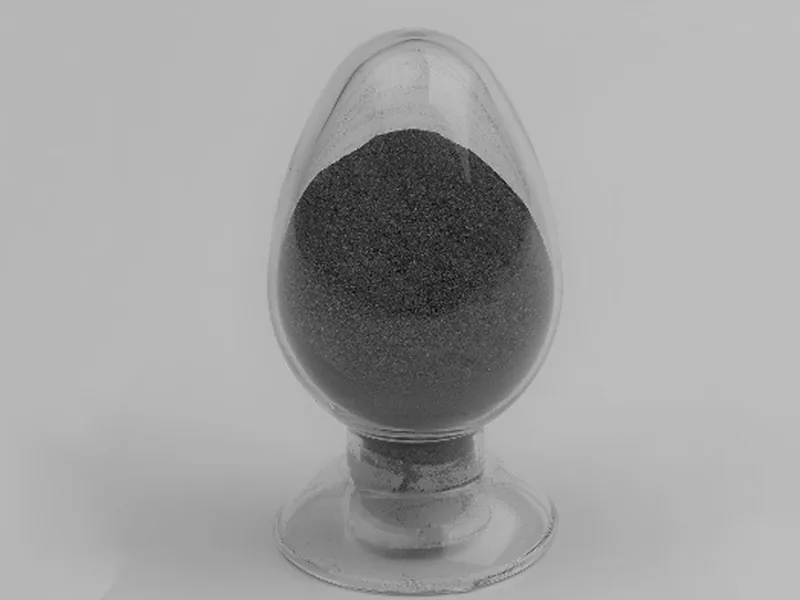
Longxin's sodium-ion battery material spray drying system is designed for the preparation of fine, uniform precursor or active-material powders from battery-material slurries. The process combines controlled atomization, rapid moisture removal and efficient powder collection for continuous industrial production.
Sodium-ion materials are being developed for applications including stationary energy storage, low-speed electric mobility and other cost-sensitive battery systems. As these materials move from development to larger-scale production, stable powder morphology and repeatable drying conditions become increasingly important.
Role of Spray Drying in Sodium-Ion Material Production
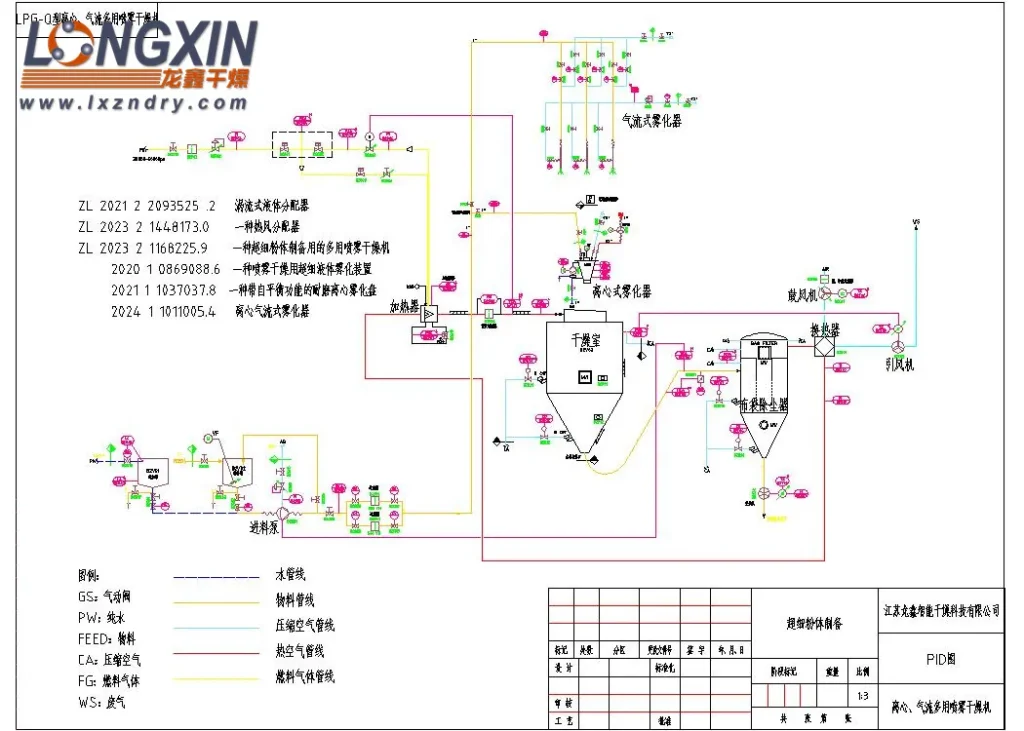
In a typical process, a slurry containing sodium-ion battery precursor materials is atomized into fine droplets and contacted with clean heated air. Moisture evaporates rapidly, converting the droplets into dry particles that can be collected for subsequent thermal treatment, calcination or other downstream processing.
The drying stage can influence particle-size distribution, powder flowability, moisture content and the consistency of the feed entering the next process step.
How the System Works
1. Controlled Slurry Feeding
The slurry is supplied to the atomizer at a stable and adjustable flow rate. Feed-system design is selected according to slurry viscosity, solids content and required pressure stability.
2. Atomization
The system can be configured with centrifugal or other suitable atomization technology. For ultrafine-powder applications, an air-assisted atomization configuration can also be evaluated where a finer droplet distribution is required.
3. Hot-Air Drying
Filtered air is heated and introduced into the drying chamber. The airflow and chamber geometry are designed so droplets have sufficient contact with the drying air while minimizing uncontrolled deposition on the chamber wall.
4. Powder Recovery
After drying, powder is separated from the exhaust stream using the configured recovery system. Cyclone separation, bag filtration or combined collection can be selected according to particle size and recovery requirements.
Key Design Features
- Fast moisture removal: atomization creates a high surface area for rapid drying.
- Adjustable particle formation: atomization and thermal parameters can be tuned for different material formulations.
- Continuous operation: the system can be engineered for continuous slurry feeding and powder recovery.
- Enclosed material handling: enclosed material handling helps reduce contamination from the production environment.
- Automated control: temperature, airflow, feed conditions and other key variables can be monitored through the control system.
- Energy-efficiency options: heat recovery and variable-frequency control can be integrated depending on plant utilities and process conditions.
Reference Process Parameters
Reference process parameters are provided in the Technical Specifications tab. Final values should be confirmed through material testing and project engineering.
Ultrafine Atomization Option
The supplied technical material describes an air-assisted ultrafine atomization approach in which the slurry is first atomized through a pressurized liquid path and then further broken into smaller droplets using compressed air. By adjusting liquid-feed pressure and air pressure, the droplet distribution can be tuned over a wider range.
For suitable materials and operating conditions, this approach can be evaluated when the process requires finer powder than a conventional centrifugal configuration. Material testing is recommended before defining the final target.
Process Optimization and Quality Control
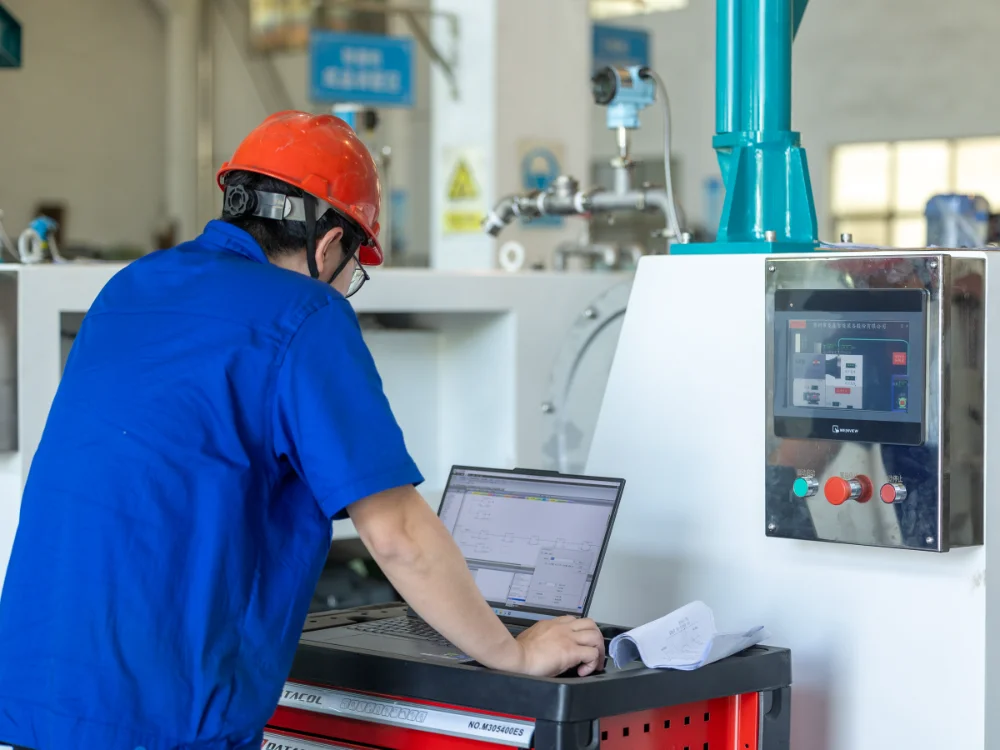
The drying system can be integrated with sensors and automated control for inlet temperature, exhaust temperature, airflow and feed rate. Where required, online or at-line particle-size and moisture testing can be incorporated into the customer's quality-control strategy.
The equipment layout can also include smooth internal surfaces, optimized chamber geometry, improved feeding stability and waste-heat recovery to support cleaning, reliability and energy use.
From Laboratory Development to Industrial Scale
Longxin can configure sodium-ion material drying from laboratory and pilot evaluation through industrial-scale systems. The engineering scope can include process testing, atomizer selection, dryer sizing, powder collection, automation, plant-layout coordination and commissioning support.
To evaluate a sodium-ion battery material project, provide the slurry composition, solids content, viscosity, solvent system, feed temperature, target particle size, final moisture and required throughput. This allows the spray-drying configuration to be selected around the actual material rather than a generic dryer specification.
Selection Questions
Which atomization methods can be considered?
Centrifugal atomization is one configuration. An air-assisted method can also be evaluated when suitable materials require a finer droplet distribution; the final atomizer is selected through feed and powder testing.
What information is needed to select the spray dryer?
Provide slurry composition, solids content, viscosity, solvent system, feed temperature, target particle size, final moisture and required throughput.
Related Equipment and Applications
Discuss your material and request an equipment recommendation.