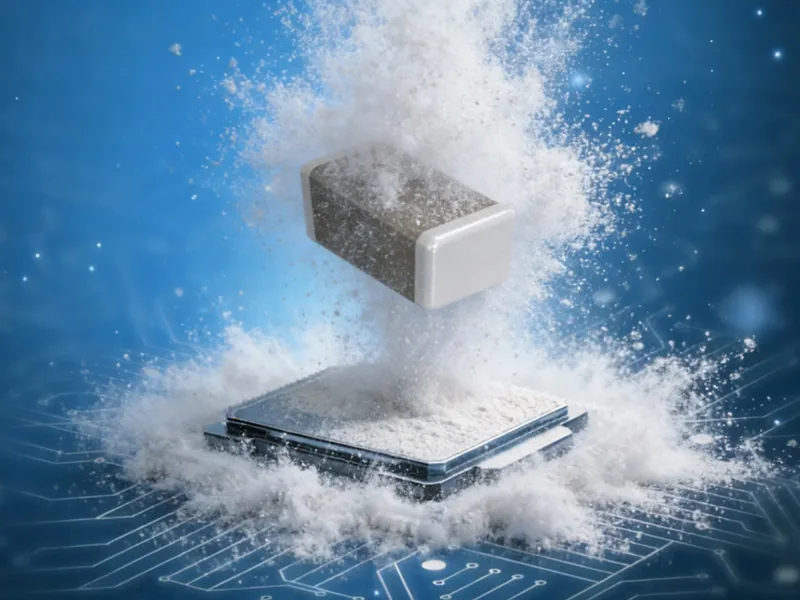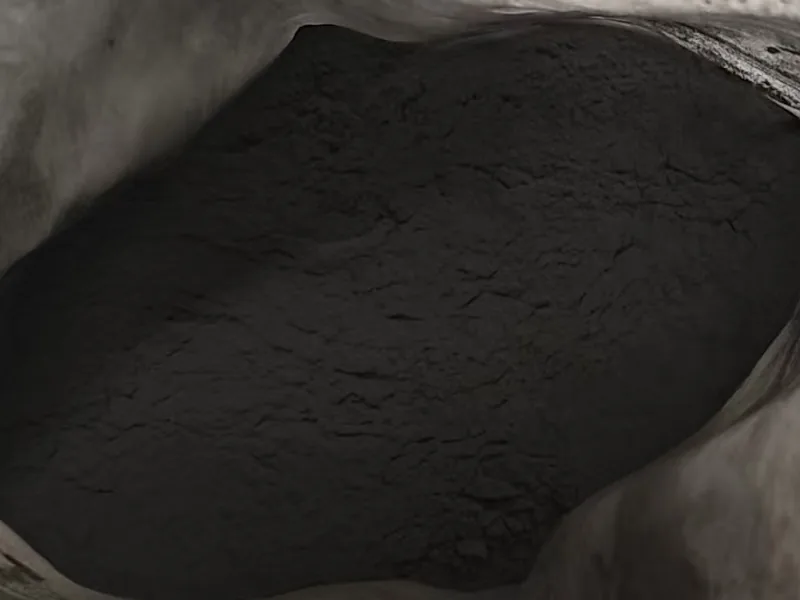
Battery materials are moving beyond conventional lithium iron phosphate and standard ternary systems. Lithium-rich manganese cathodes, LMFP, silicon-carbon anodes, nano-silicon, solid electrolytes, conductive additives and specialty binders all place tighter requirements on particle size, contamination control, temperature management and continuous production.
For material producers, the challenge is not simply to make particles smaller. The full process must keep slurry dispersion stable, limit metal contamination, protect heat-sensitive or oxygen-sensitive materials, form consistent secondary particles and maintain repeatability as production scales up. Longxin develops integrated grinding and drying systems around these requirements.
Why Next-Generation Battery Materials Need Different Processing Equipment
Lithium-rich manganese and LMFP cathode materials
These cathode systems require uniform dispersion of multiple elements and controlled precursor morphology. Wide particle-size distribution or uneven slurry dispersion can create downstream inconsistencies during spray drying, calcination and coating. A stable wet-grinding stage followed by controlled spray granulation helps create more uniform precursor powder for subsequent thermal processing.
Silicon-based and silicon-carbon anodes
Silicon-based anodes offer high theoretical capacity, but they are difficult to process because nano-silicon tends to agglomerate and the material can be sensitive to oxidation and temperature. The process therefore needs efficient nano dispersion, accurate cooling and, in many cases, closed-loop drying under a controlled atmosphere.
Solid electrolytes
Sulfide, oxide and polymer solid electrolytes have very different process windows. Sulfides are highly sensitive to moisture, oxide systems can be strongly abrasive, and polymer systems can be heat sensitive. Equipment selection must therefore consider sealing, contact materials, atmosphere control, wear resistance and drying temperature together rather than as separate decisions.
Nano Grinding for High-Solids and High-Value Battery Slurries
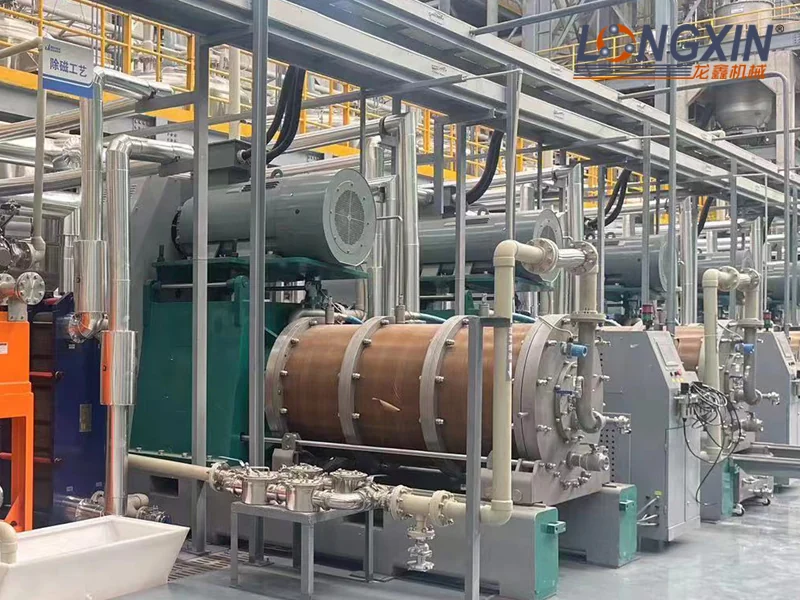
Longxin pin-type and turbine-pin nano mills are designed for high-viscosity, high-solids and abrasive slurries. Depending on the material, product-contact components can use ceramic, zirconia or silicon carbide to reduce the risk of metal contamination.
• High-efficiency cooling keeps the grinding process under controlled temperature; the source process specification targets material temperatures below 45°C for sensitive systems.
• Fine zirconia grinding media in the 0.3-0.5 mm range can be used for nano-scale dispersion where the formulation permits.
• Optimized grinding chambers and centrifugal separation help reduce screen blockage and support continuous circulation.
• For suitable formulations, the process can target primary-particle D50 values in the approximately 100-500 nm range while maintaining a narrow distribution.
• Equipment is available from laboratory-scale test units to large-throughput production machines, allowing process parameters to be transferred through scale-up.
Spray Drying Solutions Matched to Different Battery Material Systems
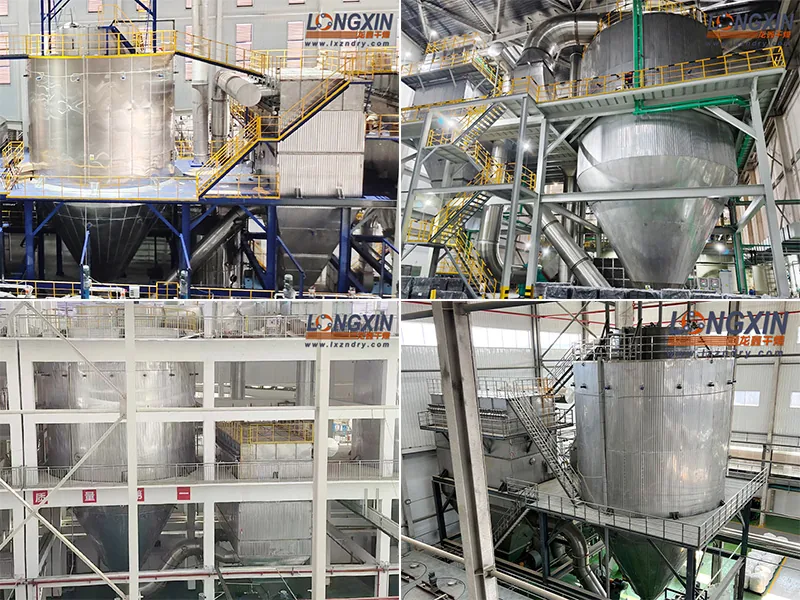
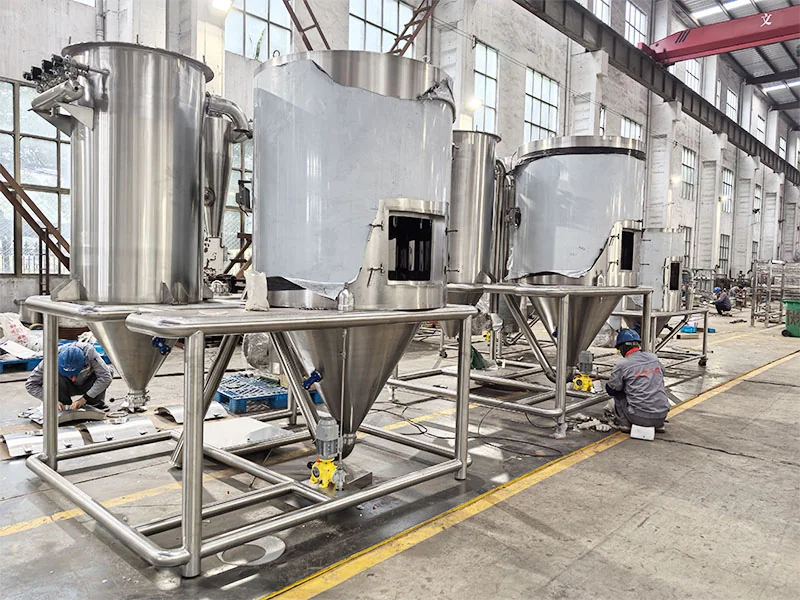
The drying stage must be selected according to slurry rheology, solvent system, oxidation sensitivity and required granule morphology. Longxin configures different atomization and air-handling routes rather than applying a single spray-dryer design to every material.
• Centrifugal spray drying for cathode precursors such as lithium-rich manganese and LMFP, with controlled secondary-particle formation for downstream calcination.
• Closed-cycle spray drying for silicon-carbon, nano-silicon and carbon precursor systems where oxygen isolation or solvent recovery is required.
• Inert-gas drying for moisture-sensitive solid electrolyte materials, especially sulfide-based systems.
• Flash drying for selected conductive additives such as carbon nanotubes, where rapid drying and powder recovery are key concerns.
• Low-temperature spray drying for heat-sensitive binder materials such as PAA-based systems.
From Separate Machines to an Integrated Intelligent Production Line
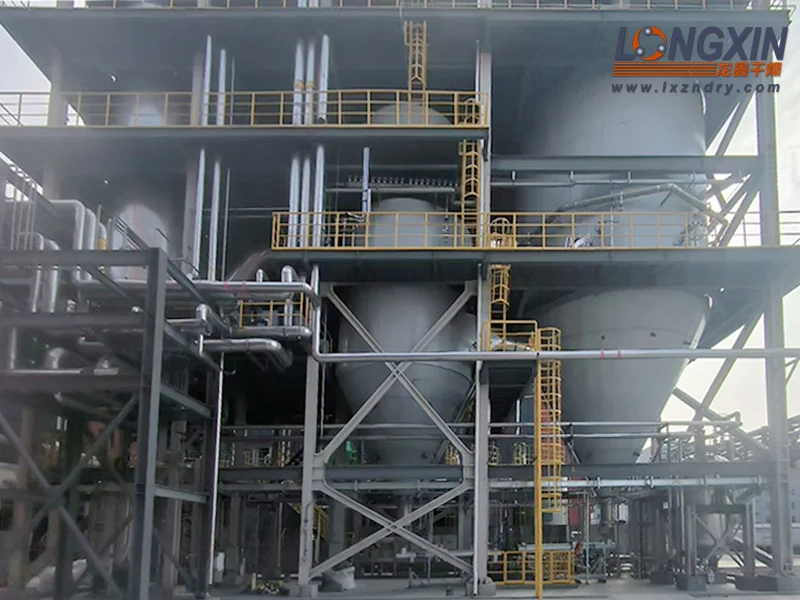
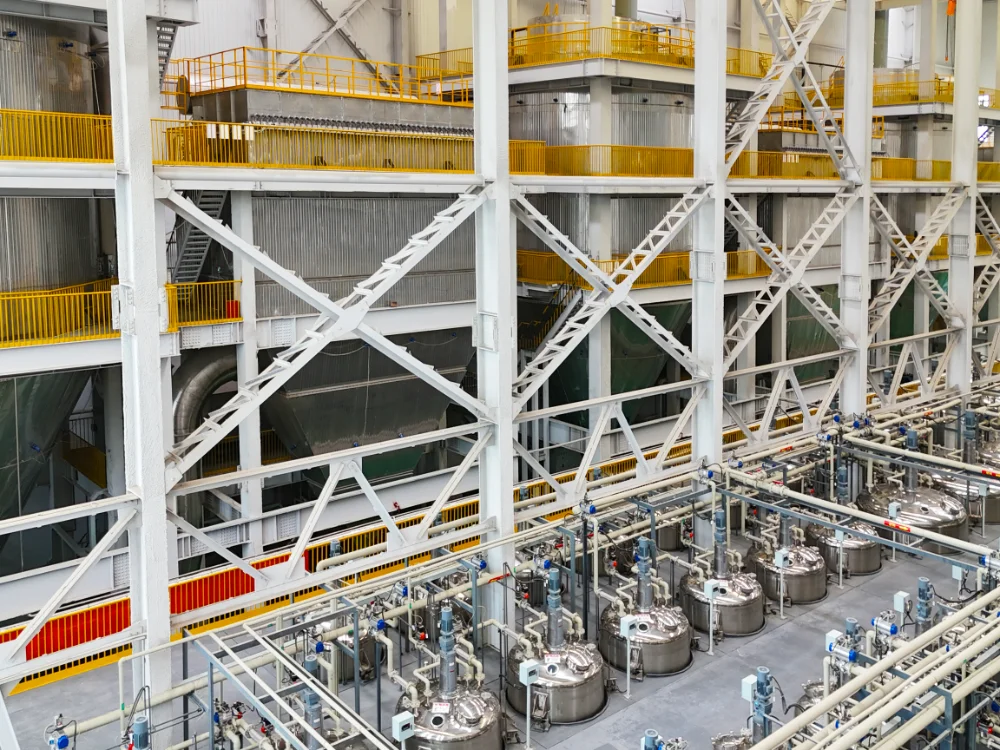
An industrial battery-material line works best when feeding, dosing, grinding, particle-size control, drying, powder recovery and process data are coordinated as one system. Longxin can integrate vacuum feeding, gravimetric dosing, nano grinding, online monitoring, enclosed spray drying, screening, dust collection and heat recovery under PLC-based control.
• Closed transfer between process steps reduces manual handling and the risk of foreign-particle contamination.
• Key parameters such as grinding temperature, slurry viscosity, atomizer speed and inlet-air temperature can be linked through the control system.
• Recipe-based control supports faster changeover between different battery-material formulations.
• Heat recovery and dust-control modules can be incorporated into the line to improve energy utilization and plant cleanliness.
Typical Application Areas
• Lithium-rich manganese and LMFP cathode precursor grinding and spray drying.
• Silicon-carbon anode, nano-silicon and porous-carbon precursor processing.
• Sulfide and oxide solid electrolyte grinding and controlled-atmosphere drying.
• Carbon nanotube and other conductive-additive drying.
• Battery binder drying and powder preparation.
• High-purity alumina and other functional powders used in battery separators and related components.
Process Validation Before Scale-Up
For new battery materials, equipment selection should begin with material testing rather than catalogue specifications alone. Longxin supports trials from small laboratory units through pilot-scale grinding and drying systems. Testing can be used to evaluate particle-size distribution, slurry viscosity, temperature behavior, contamination risk, powder morphology and drying response before the production line is finalized.
This approach helps material manufacturers compare process routes, determine suitable contact materials and grinding media, and establish an operating window before committing to a large production system.
Building a More Stable Route to Battery-Material Scale-Up
As battery chemistry becomes more diverse, the equipment platform must become more flexible. The value of an integrated nano-grinding and spray-drying line is not only higher throughput; it is the ability to control particle size, temperature, purity, granule morphology and production data consistently from one batch to the next. For next-generation battery-material projects, that process stability is a critical part of moving from formulation development to repeatable industrial production.