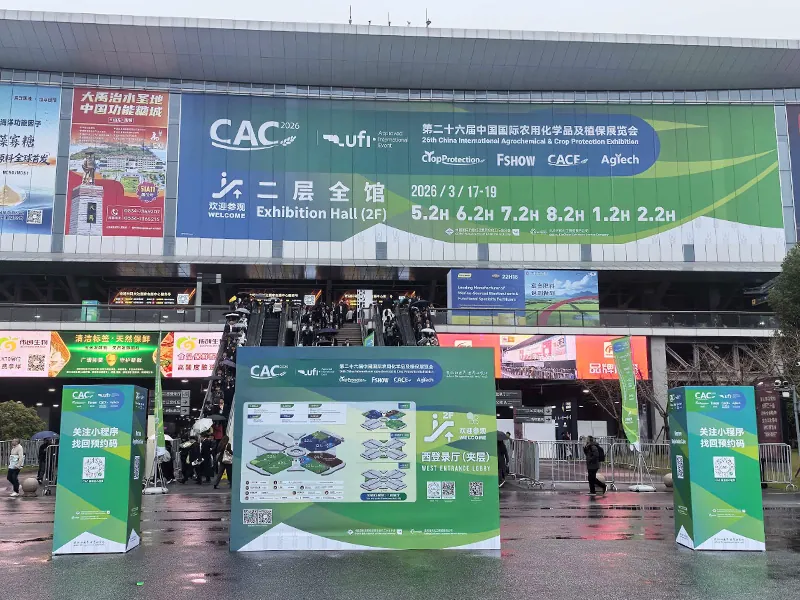
Longxin at CAC 2026 in Shanghai
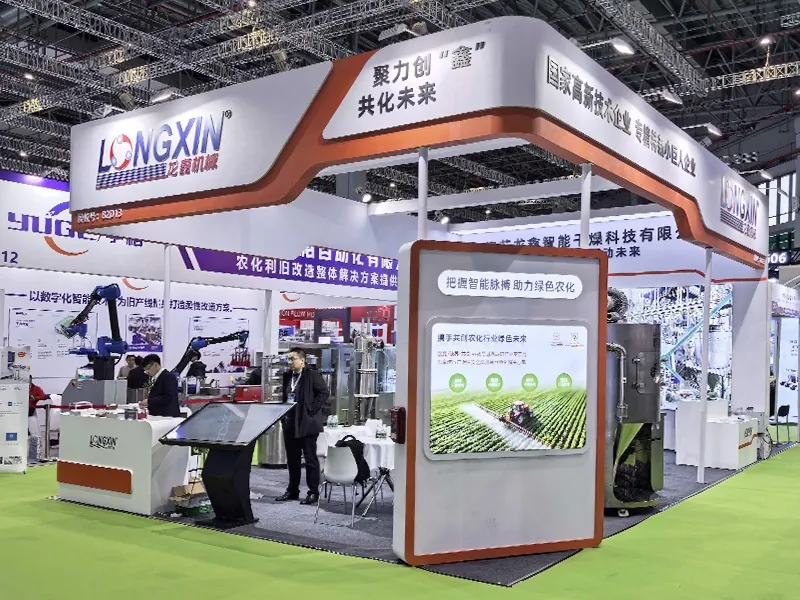
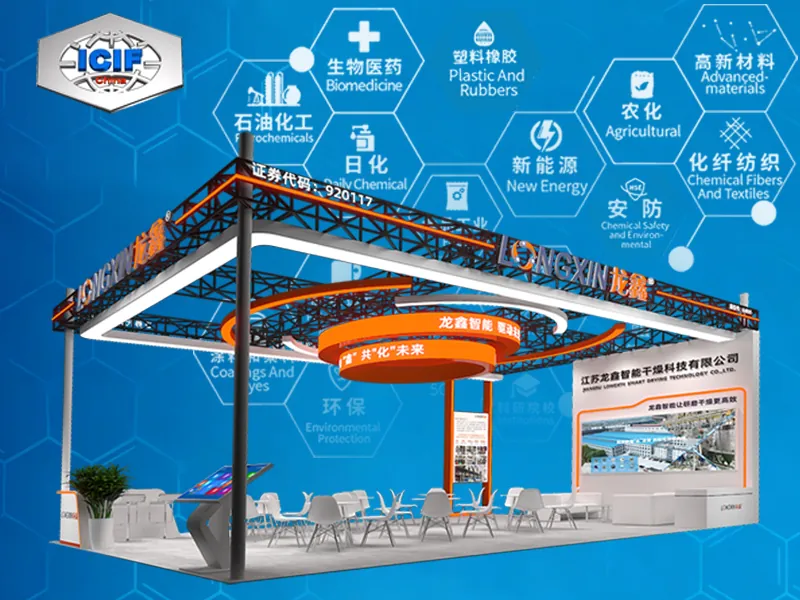
The 26th China International Agrochemical and Crop Protection Exhibition (CAC 2026) was held at the National Exhibition and Convention Center in Shanghai from March 17 to 19, 2026. Longxin exhibited at booth 82D13, where its technical and sales teams met agrochemical manufacturers, formulation companies, engineering contractors and international buyers.
The discussions reflected a clear market direction: agrochemical production is moving toward cleaner formulations, more consistent particle control, safer powder handling and higher levels of automation. For equipment suppliers, this means that single-machine performance must be considered together with the complete process route.
Processing requirements are changing with modern formulations
Traditional pesticide production is being supplemented by formulation types such as water-dispersible granules (WDG), dry flowables (DF), oil dispersions (OD), suspension concentrates (SC) and flowable seed treatments (FS). Each formulation places different demands on grinding, dispersion, drying, granulation, powder recovery and final product handling.
At CAC 2026, Longxin focused on how upstream particle-size control and downstream drying or granulation should be matched. Stable production depends on the interaction between formulation rheology, solids concentration, milling conditions, atomization, drying temperature and residence time.
Fine grinding and dispersion before drying
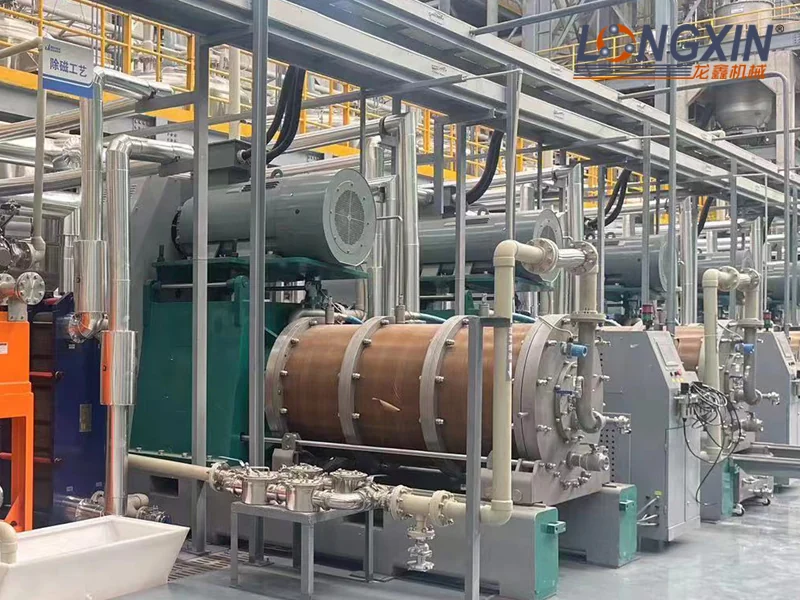
For suspension-based agrochemical formulations, wet grinding is often a critical step before spray drying or further formulation. Longxin nano bead mills are designed for controlled fine grinding and dispersion with cooling and process monitoring. Equipment selection can be adjusted according to required fineness, slurry viscosity, abrasive characteristics and target throughput.
For customers scaling from laboratory trials to commercial production, the ability to maintain similar energy input and particle-size behavior across different machine sizes is an important consideration. Longxin supports process testing and scale-up evaluation before final line configuration.
Spray drying and granulation for DF and related products
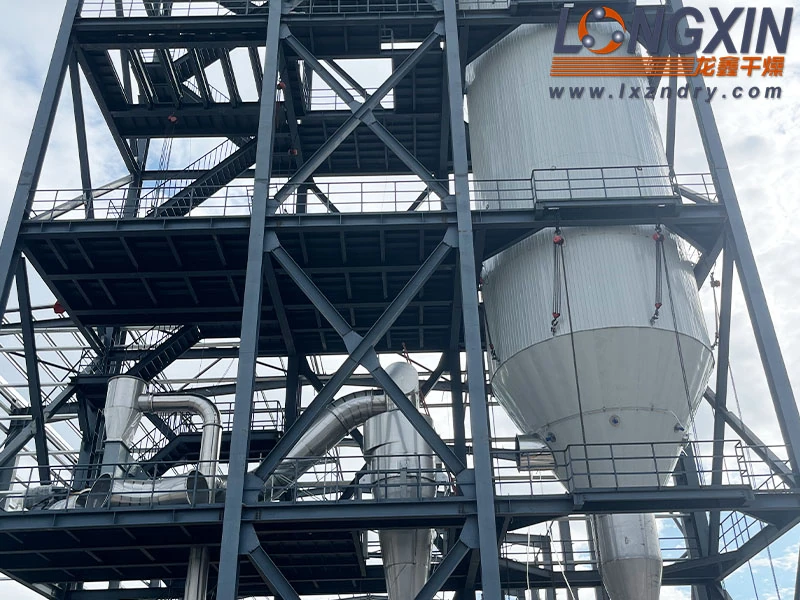
Spray drying is widely used in agrochemical production when a suspension or slurry needs to be converted into a stable dry powder. For dry flowable products, the process must balance rapid moisture removal with particle morphology, dispersibility and product recovery. Depending on the material and formulation, centrifugal, pressure or other atomization methods can be considered.
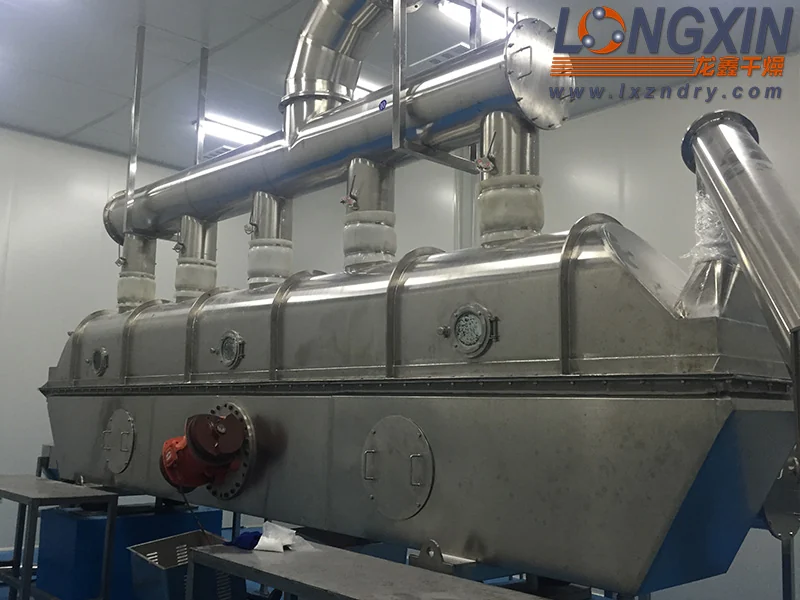
Longxin can integrate spray drying with powder collection, fluidization, classification and conveying. For granulated products, the process can also be designed around fluidized granulation or multi-stage drying to achieve the required handling and redispersion properties.
Integrated filtration, washing and drying
Some agrochemical and fine-chemical processes require solid-liquid separation before final drying. Longxin discussed integrated filtration, washing and drying routes that reduce repeated material transfer and can help improve containment. The appropriate configuration depends on solvent properties, washing requirements, product sensitivity and plant safety standards.
Process engineering instead of equipment-only selection
A recurring topic at the exhibition was the need to evaluate the complete production process rather than comparing equipment only by nominal capacity. Feed properties, cleaning requirements, dust control, solvent handling, automation level and downstream packaging can all affect the final plant design.
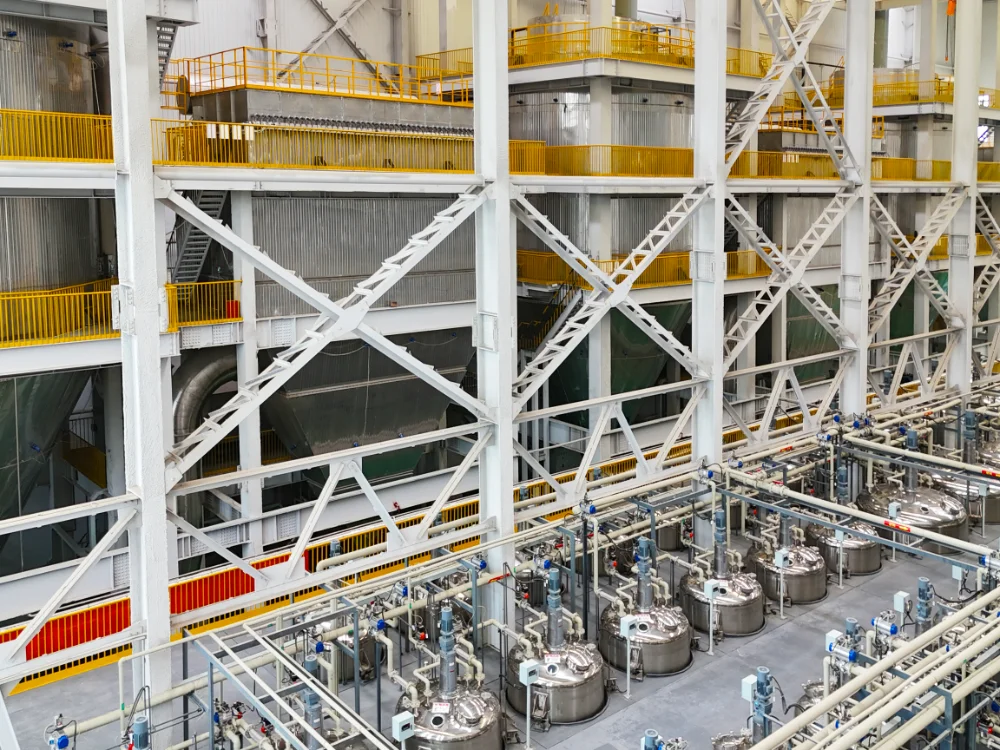
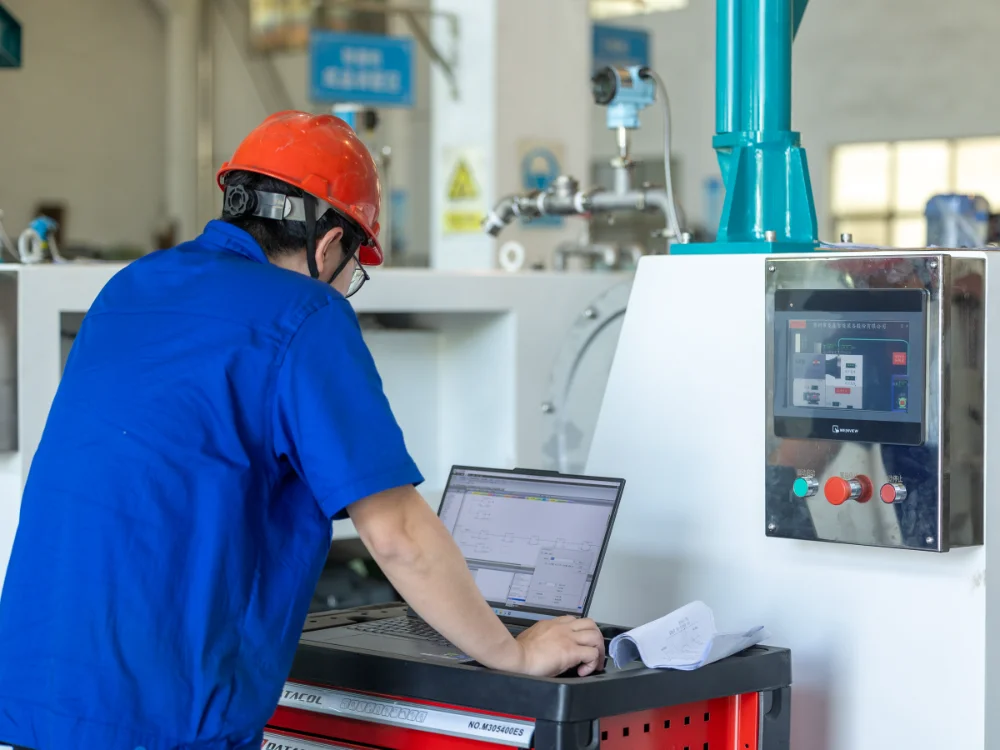
Longxin provides equipment and engineering support from material testing and process evaluation to line design, manufacturing and commissioning. For agrochemical producers planning a new formulation line or upgrading an existing plant, early process testing can help confirm the most suitable grinding and drying route before major investment decisions are made.
Continuing support for greener agrochemical manufacturing
CAC 2026 provided a valuable opportunity for Longxin to exchange ideas with customers working on cleaner and more efficient agrochemical production. The company will continue improving grinding, drying, granulation and integrated powder-processing systems for formulations that demand tighter particle control, lower dust generation and more reliable continuous production.