Longxin provides low-temperature drying solutions for photoresist-related materials and other thermally sensitive electronic chemicals, including photoinitiators, photosensitizers, photocurable resins, UV absorbers, light stabilizers and related intermediates.
These materials may contain organic solvents, react to heat or oxygen, and require tight control of residual solvent and contamination. The drying process therefore needs to be engineered around product sensitivity, solvent properties, purity requirements and plant safety conditions rather than treated as a conventional moisture-removal step.
Key Drying Challenges
- Thermal sensitivity: excessive temperature can affect molecular structure, reactivity or downstream performance.
- Organic-solvent handling: flammable solvents require appropriate inerting, condensation and explosion-risk control.
- Residual solvent: the process must provide repeatable drying without exposing the product to unnecessary heat.
- Contamination control: open transfer and exposed drying steps can introduce dust or foreign matter.
- Batch consistency: temperature, pressure, oxygen level and airflow must remain stable and traceable.
Closed-Cycle Fluid-Bed Drying
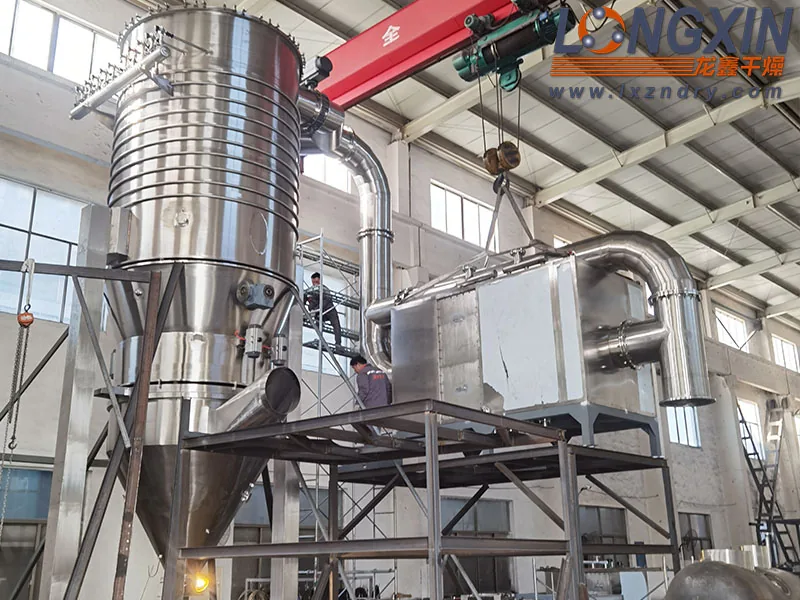
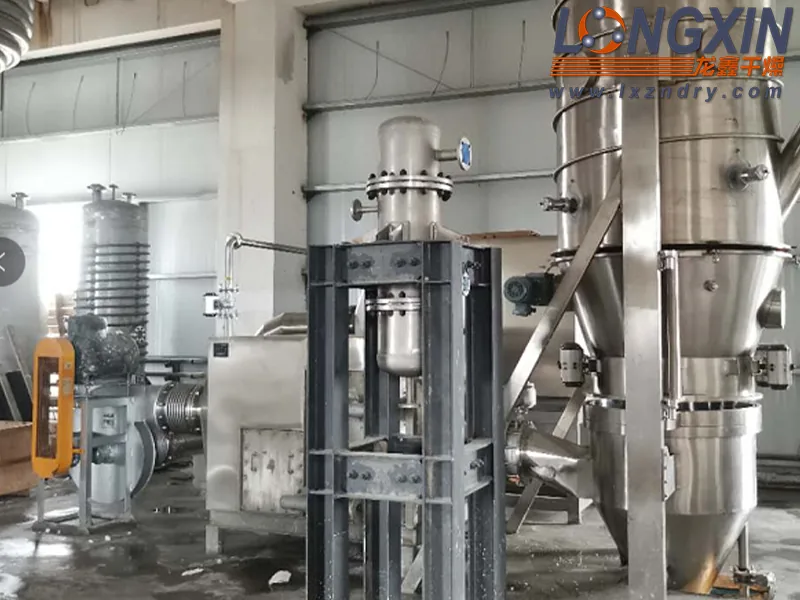
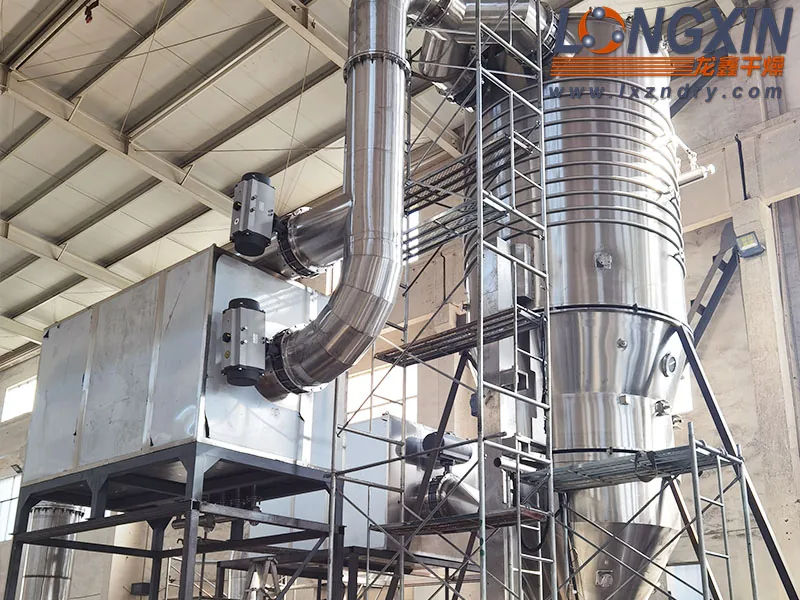
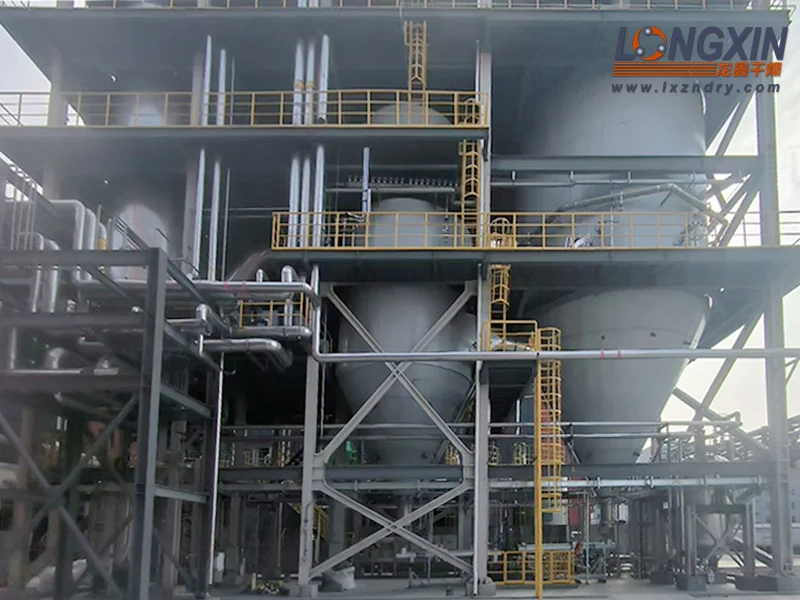
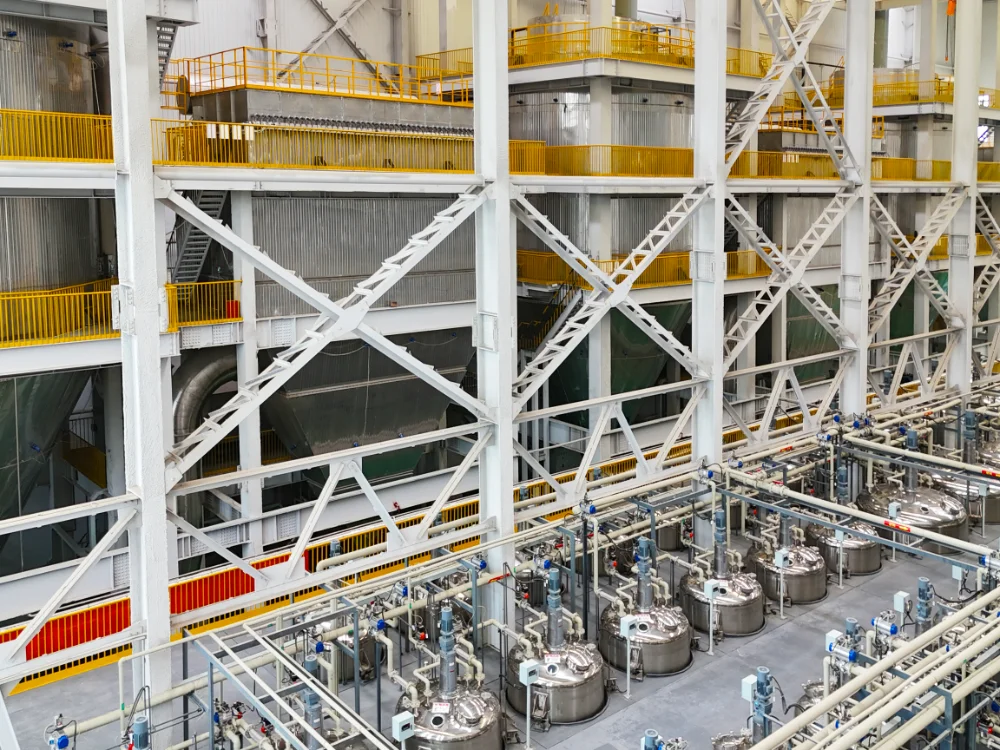
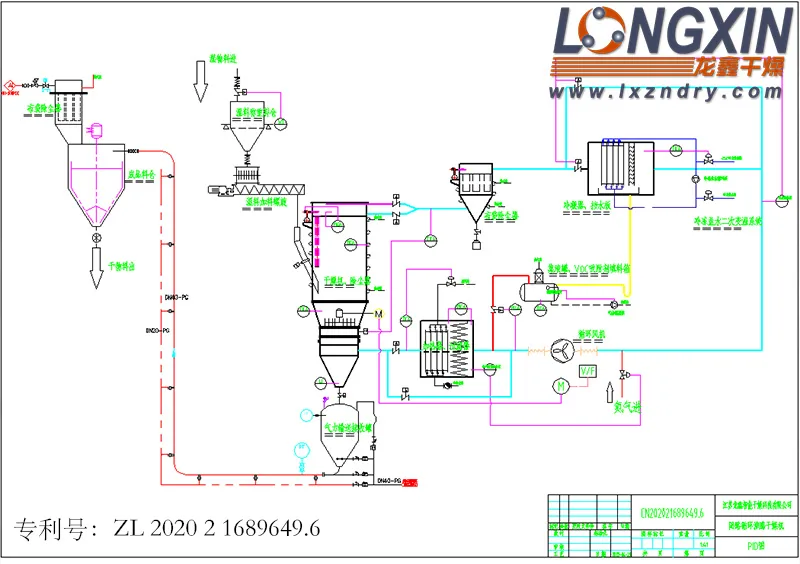
For suitable photoinitiator, photosensitizer and related powder applications, Longxin can configure a closed-cycle fluid-bed drying system using nitrogen or another appropriate inert gas as the circulating medium. The closed loop isolates the product from the external atmosphere and allows solvent-laden process gas to be condensed and recirculated.
Inert and Closed Operation
The system can incorporate oxygen monitoring, pressure monitoring and interlocked controls to maintain the required inert operating environment. Final safety design is determined by the solvent properties, lower explosion limit, process temperature and applicable plant standards.
Low-Temperature Fluidized Drying
Fluidization promotes efficient gas-solid contact and heat transfer, allowing moisture or solvent removal at a controlled product temperature. This is useful for materials that may degrade, crosslink or lose activity when exposed to unnecessary thermal stress.
Solvent Condensation and Recovery
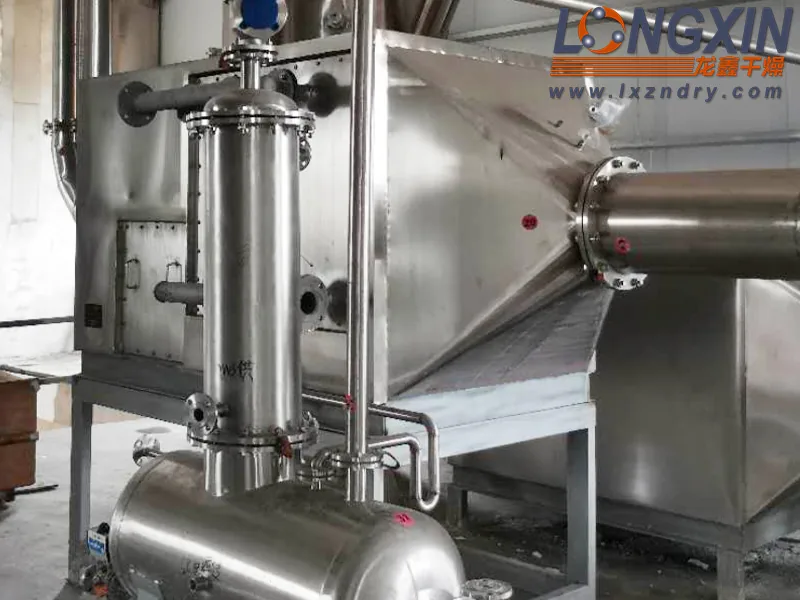
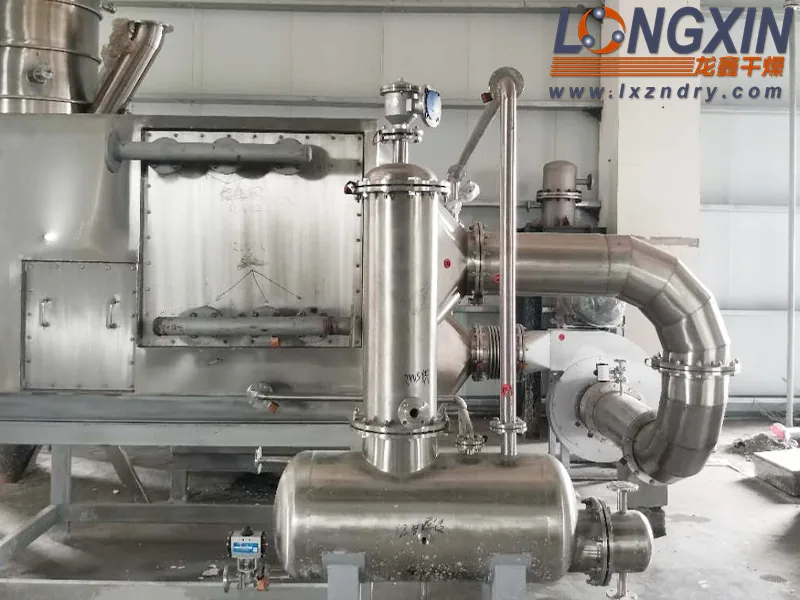
Where the process uses recoverable organic solvents, the circulating gas can pass through a condensation and recovery section before being reheated and returned to the dryer. The recovery configuration is selected according to solvent boiling point, concentration and required recovery efficiency.
Temperature and Process Control
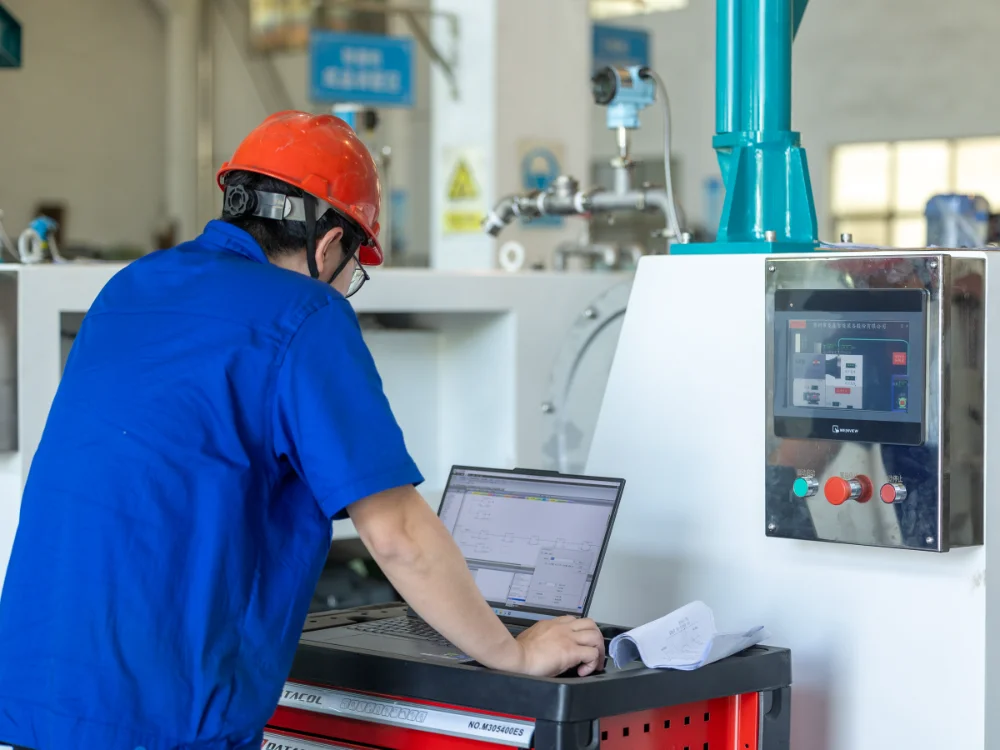
PID-based temperature control, airflow control, oxygen monitoring, pressure monitoring and data logging can be integrated into the system. For projects requiring especially tight thermal control, temperature uniformity and control accuracy are confirmed during engineering and process testing.
Alternative Equipment for Different Photoresist Materials
Not every electronic chemical should be processed in the same dryer. Longxin can select different drying configurations according to material form, viscosity and purification requirements.
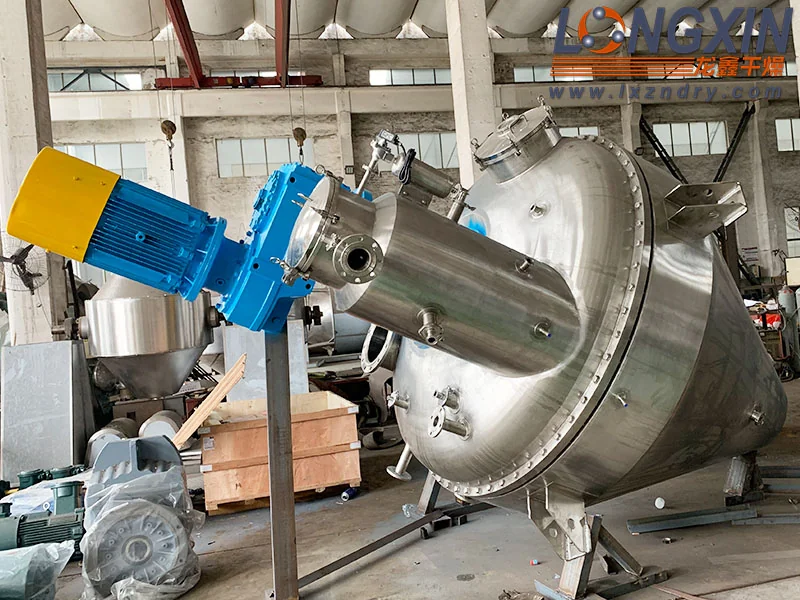
Vacuum Conical Ribbon Dryer
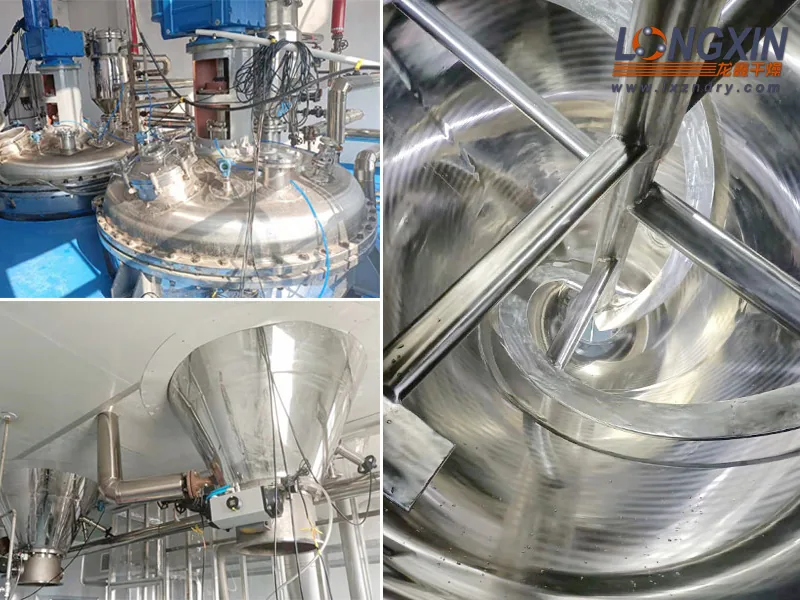
For high-viscosity photocurable resins or photoresist resin intermediates, vacuum drying lowers the boiling point of the liquid phase and supports low-temperature solvent removal. A conical vessel with internal mixing can improve heat transfer and reduce localized overheating in viscous or high-solids products.
Filter-Wash-Dry System
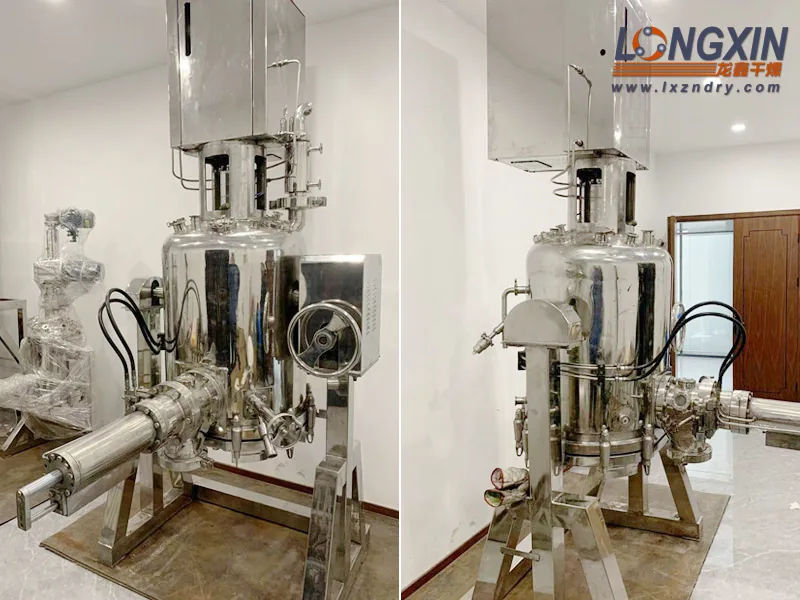
For products that require filtration, repeated washing and drying with minimal exposure, an integrated filter-wash-dry unit can combine these operations in one enclosed vessel. Reducing material transfers can help limit contamination risk and improve process containment.
Typical Materials
- Photoinitiators
- Photosensitizers
- Photocuring agents
- Photocurable and photoresist resins
- UV absorbers and light stabilizers
- Photoresist intermediates
- Polyimide-related electronic materials
- Other heat-sensitive, solvent-containing electronic chemicals
Project Information Required
For process selection, provide the material form, batch or continuous throughput, initial and target moisture or solvent content, solvent composition, product temperature limit, particle characteristics, viscosity or bulk behavior, oxygen requirement, recovery requirement and applicable purity or containment standard.
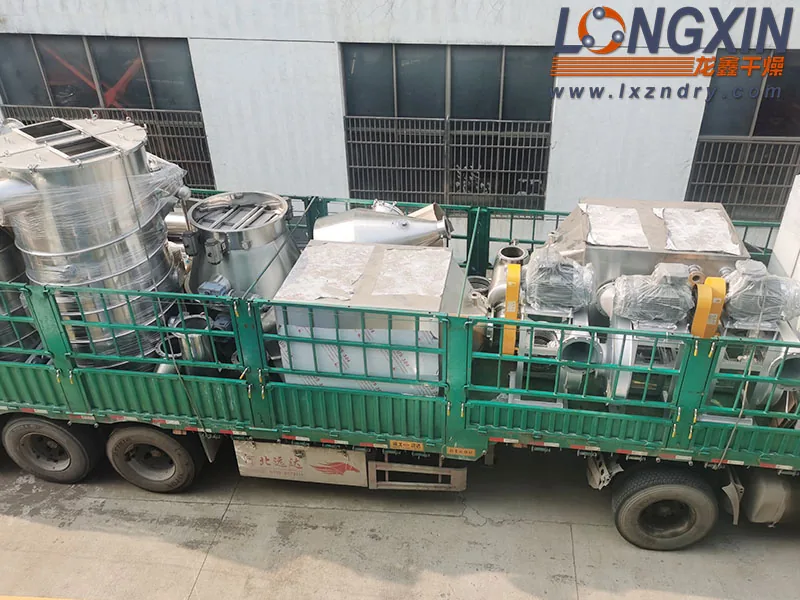
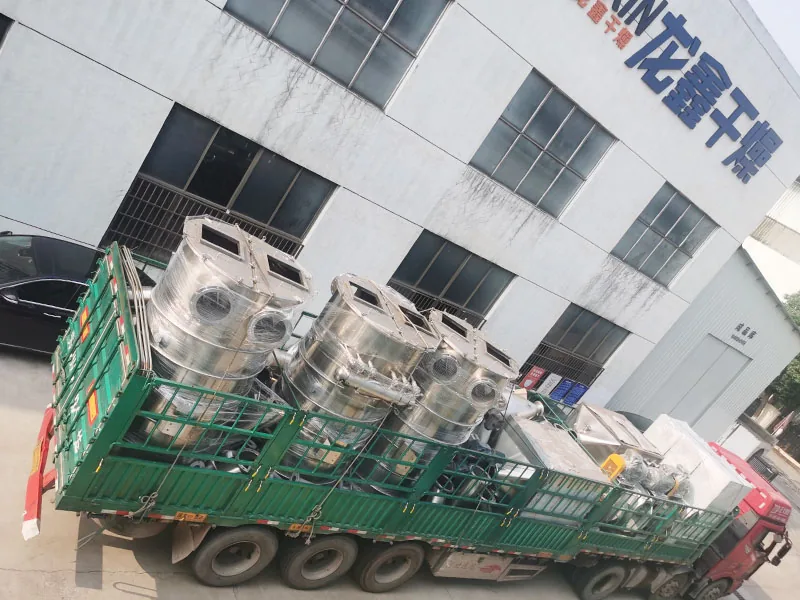
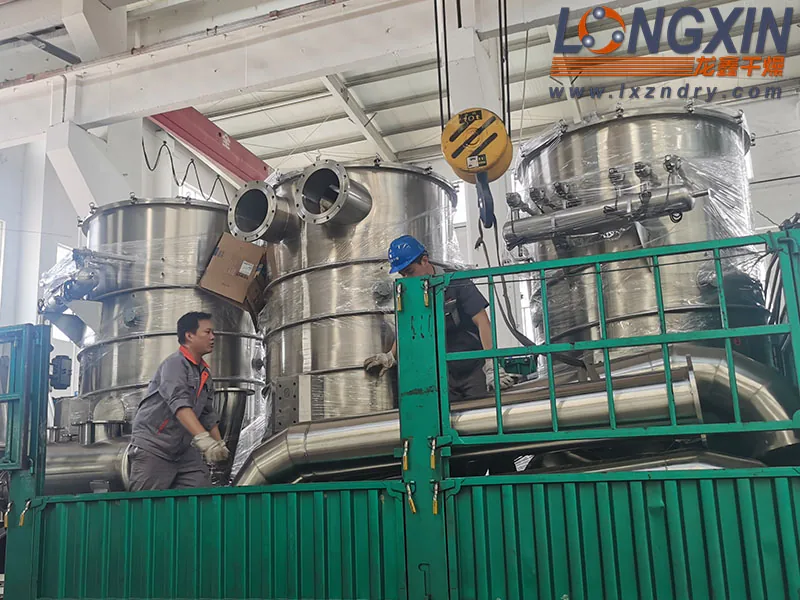
Longxin can support process testing and engineering before final equipment selection, and can supply a standalone dryer or an integrated system including feeding, inert-gas circulation, condensation, solvent recovery, powder handling and automated control.
Selection Questions
When is vacuum drying considered instead of a fluid bed?
A conical vacuum dryer can be evaluated for viscous photocurable or photoresist resin intermediates where reduced-pressure solvent removal and internal mixing suit the material better than particle fluidization.
What information is needed to select the drying route?
Provide material form, throughput, solvent composition, initial and target residual solvent or moisture, allowable product temperature, viscosity or particle behavior, oxygen limit, purity and containment requirements.
Related Equipment and Applications
Discuss your material and request an equipment recommendation.