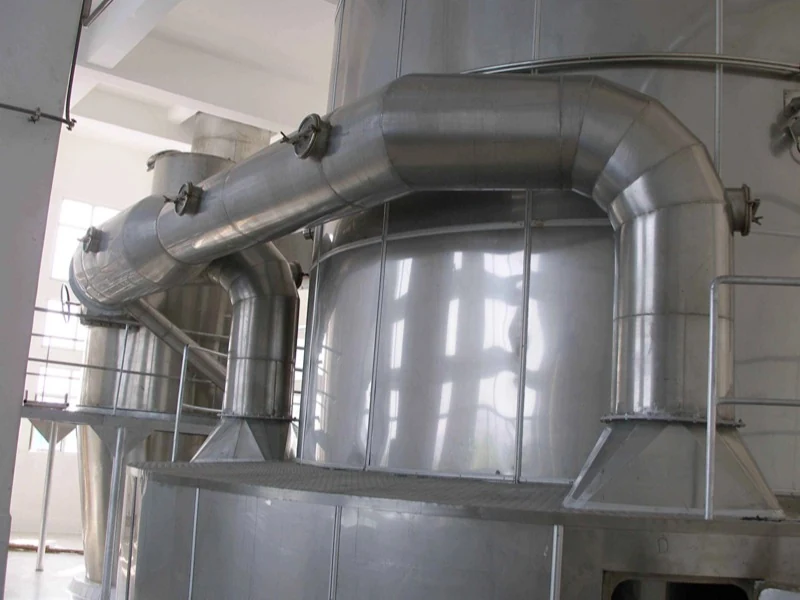
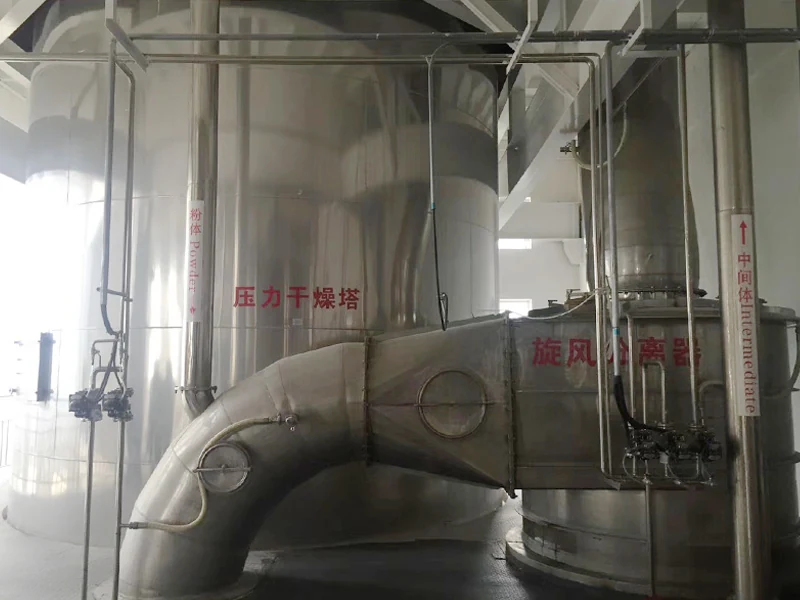
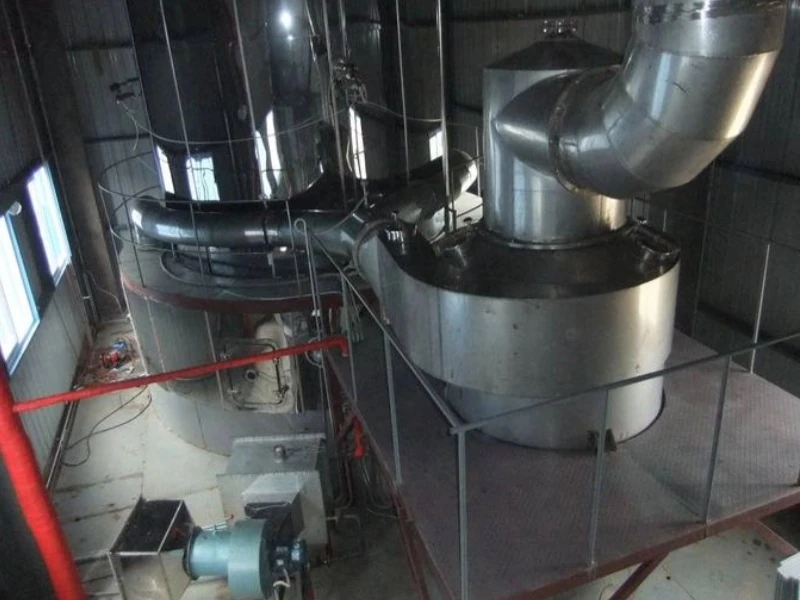
Pressure Nozzle Spray Drying for Powders and Granules
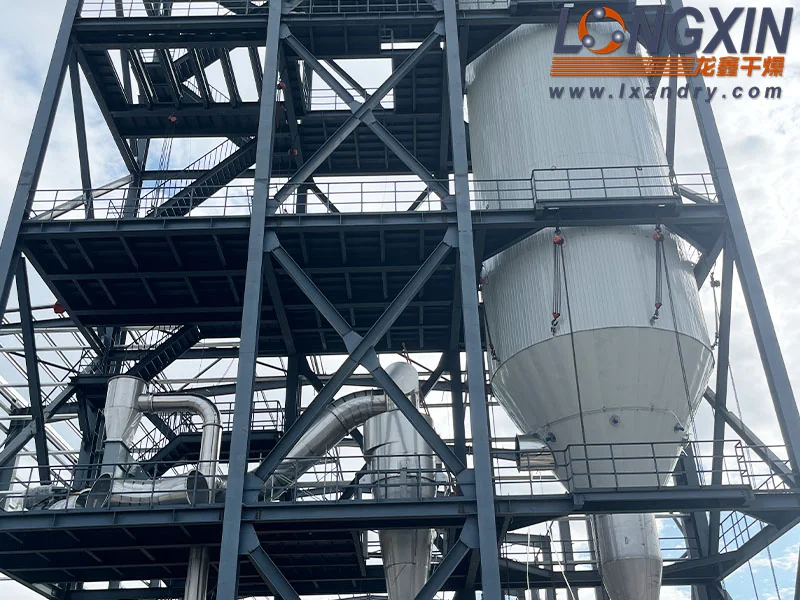
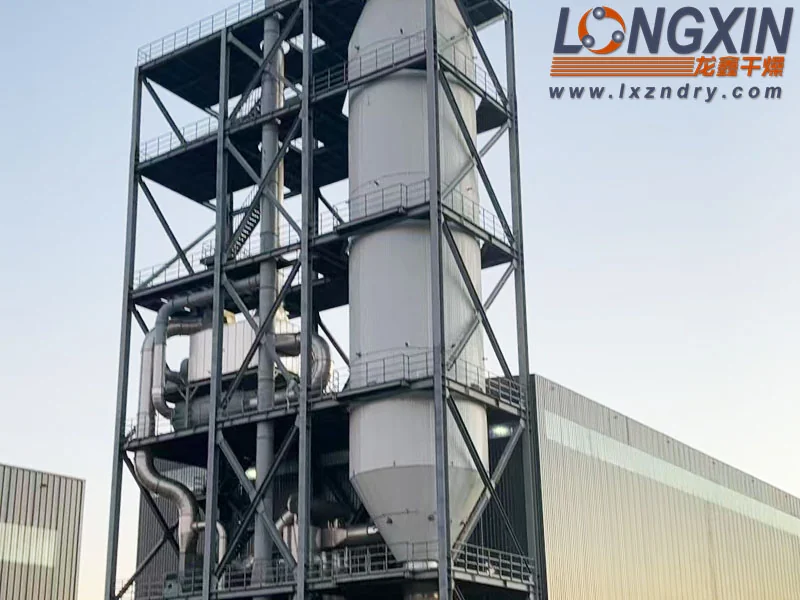
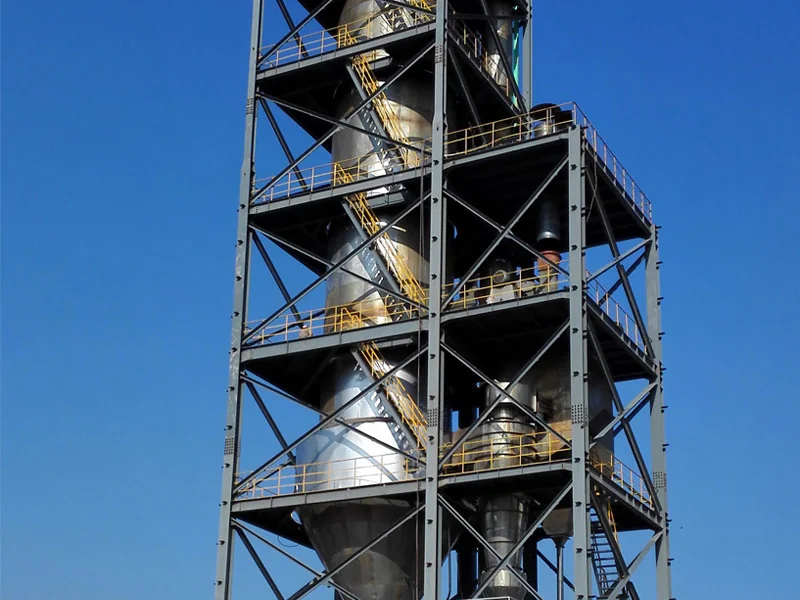
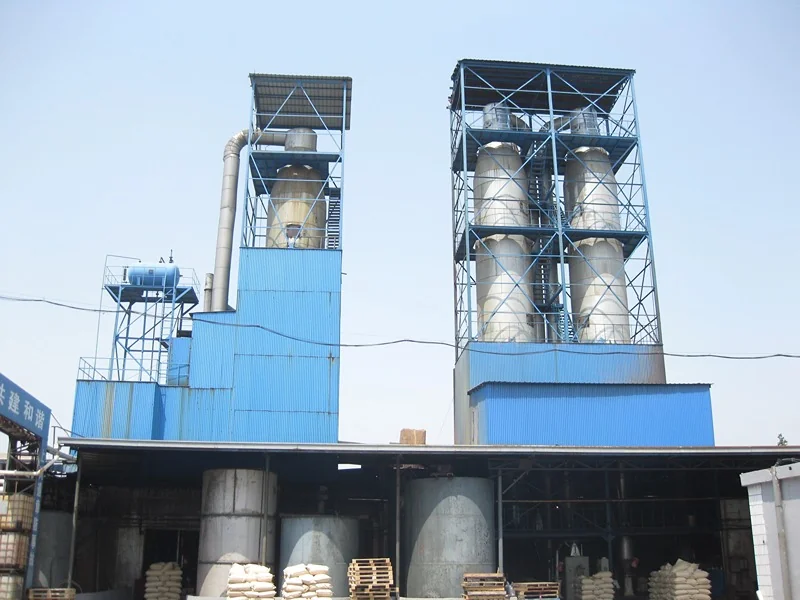
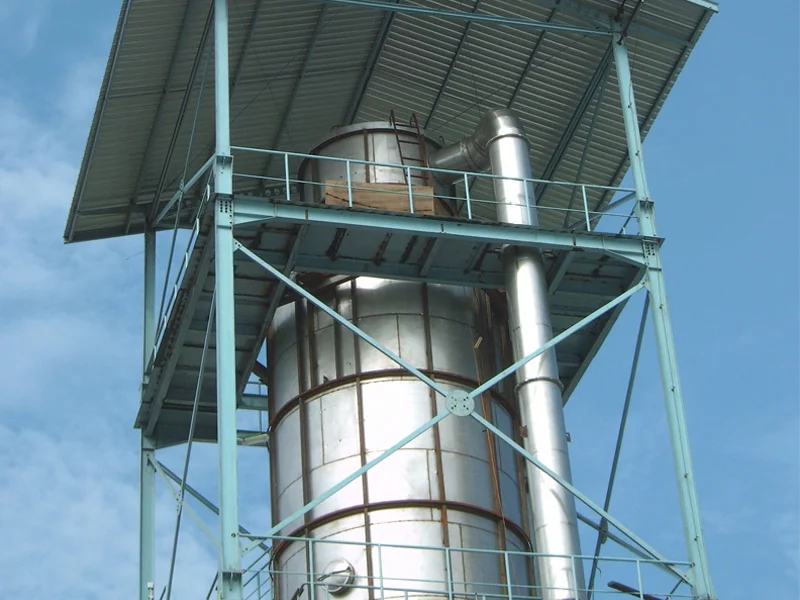
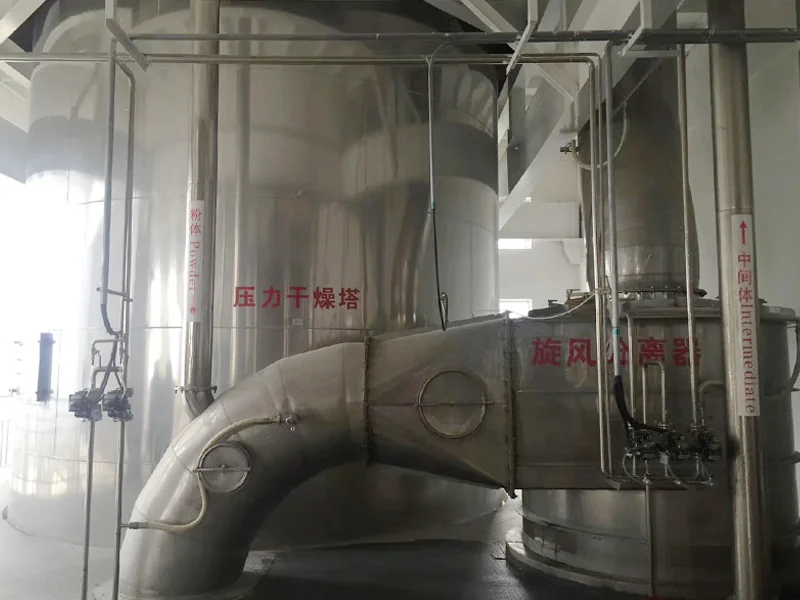
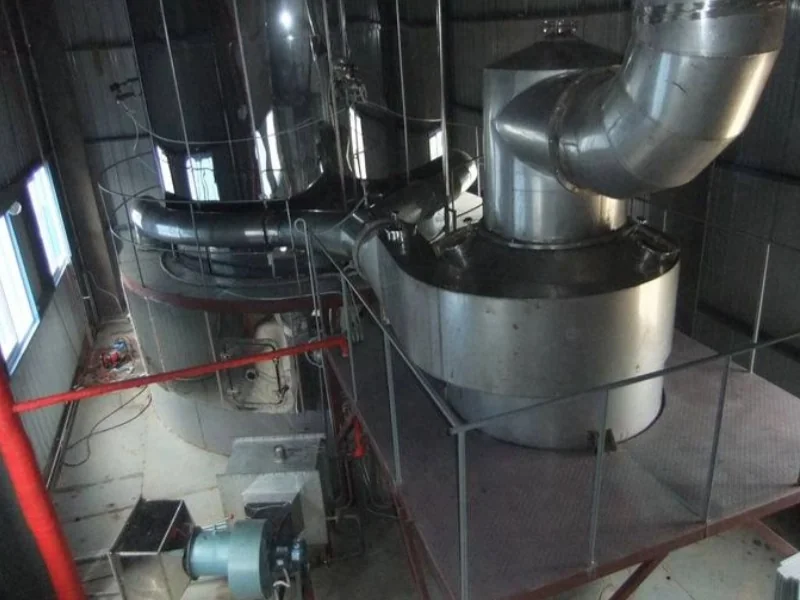
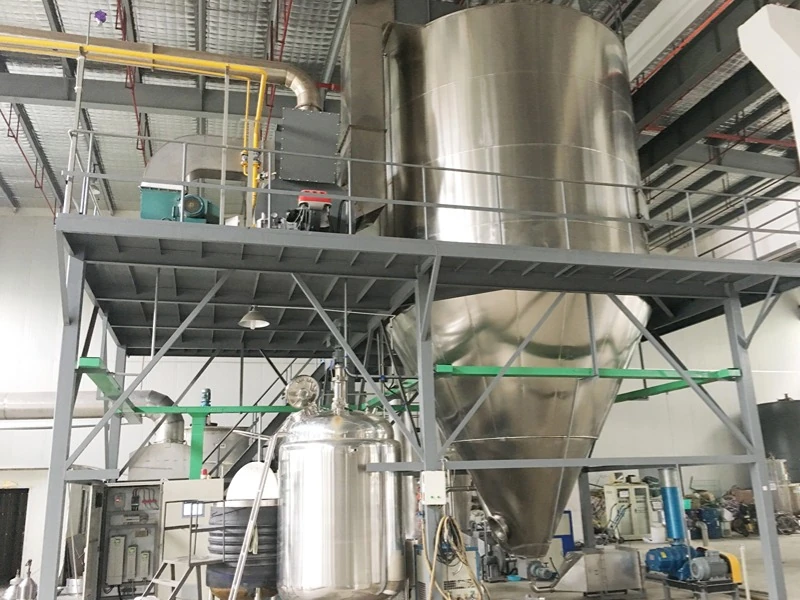
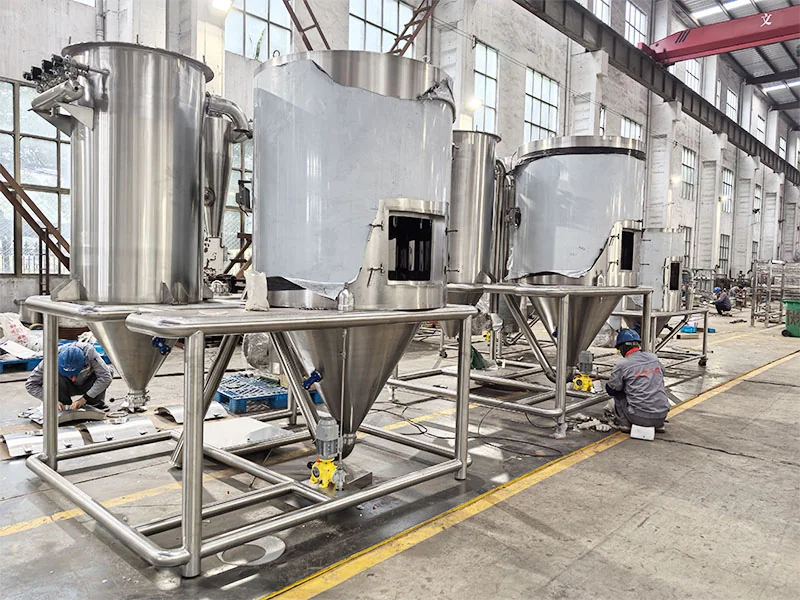
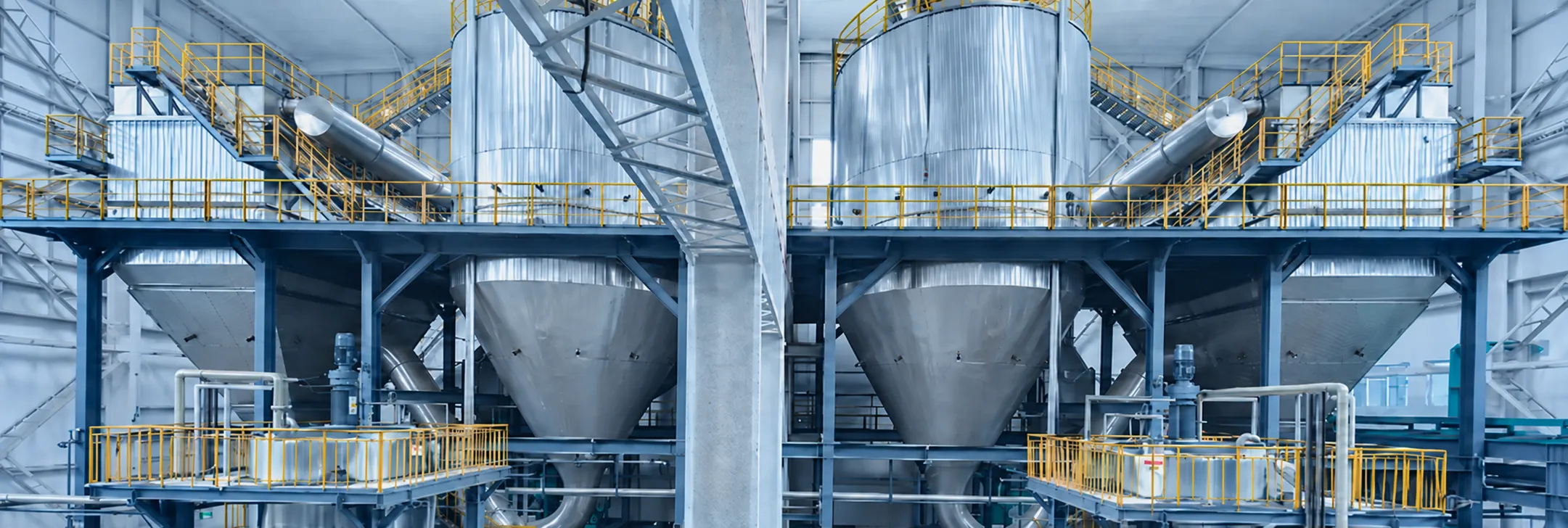
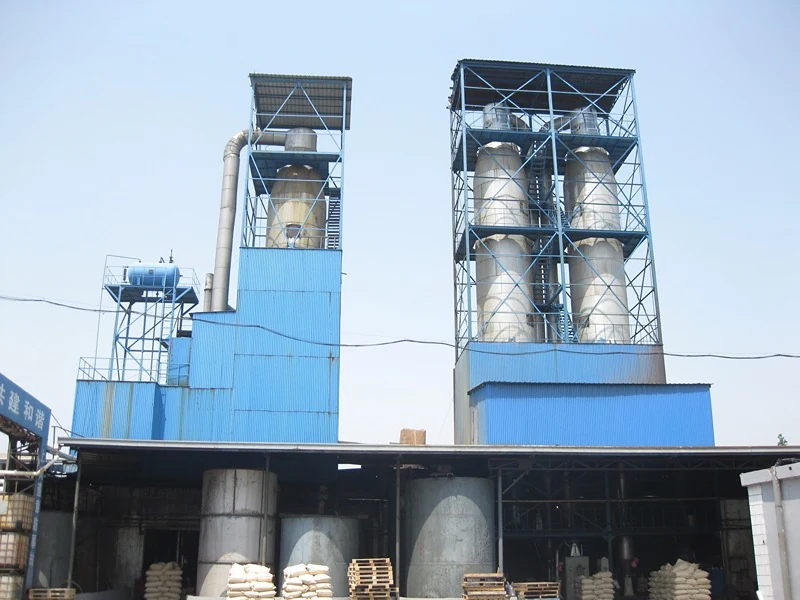
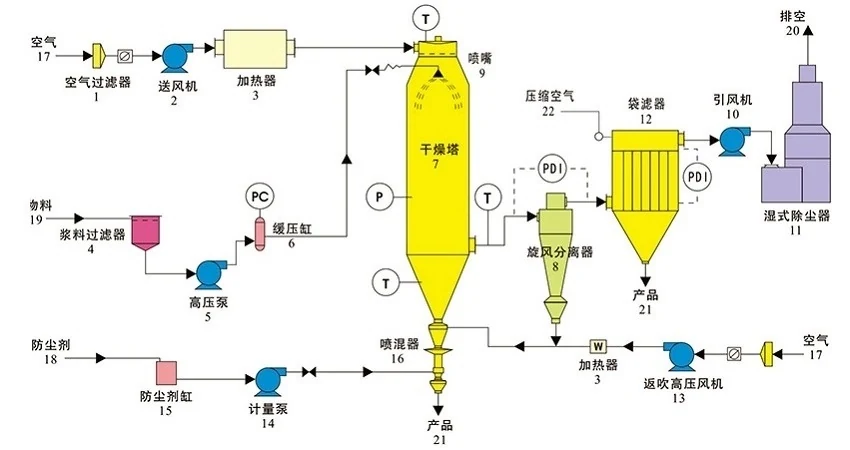
The Longxin YPG series converts liquid feeds into dry powders or granules using high-pressure nozzle atomization. A feed pump delivers filtered liquid to the atomizer, where it breaks into fine droplets. The droplets travel through the drying chamber with the hot air, allowing moisture to evaporate rapidly before the product is collected.
The system can be configured around feed properties, required evaporation duty and finished-product specifications. Particle characteristics depend on the material and operating conditions, including feed pressure, flow rate and nozzle orifice size.
How the System Works
- Feed preparation and delivery. Filtered solution, emulsion, suspension or slurry is supplied to a high-pressure feed pump.
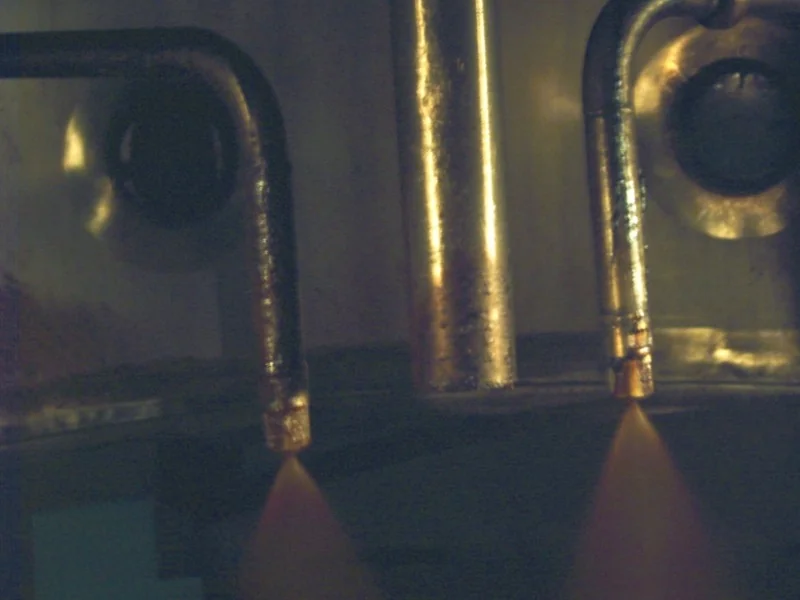
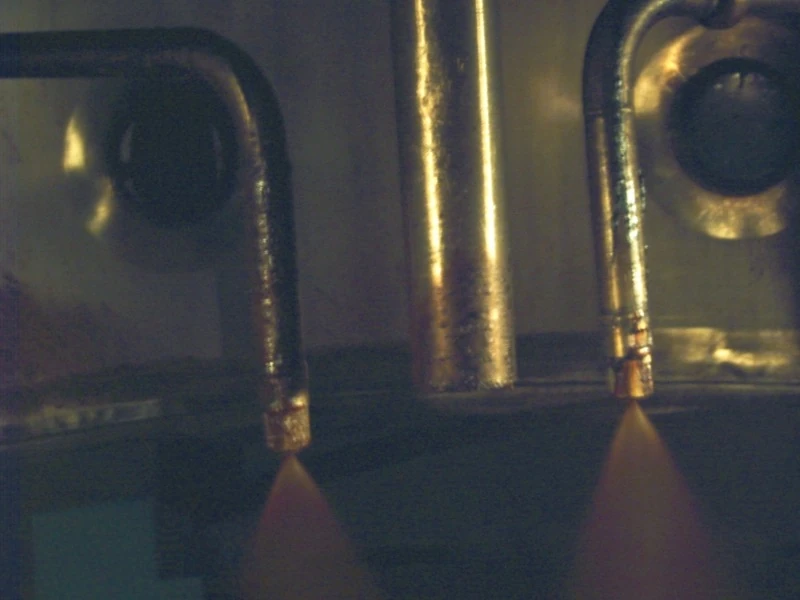
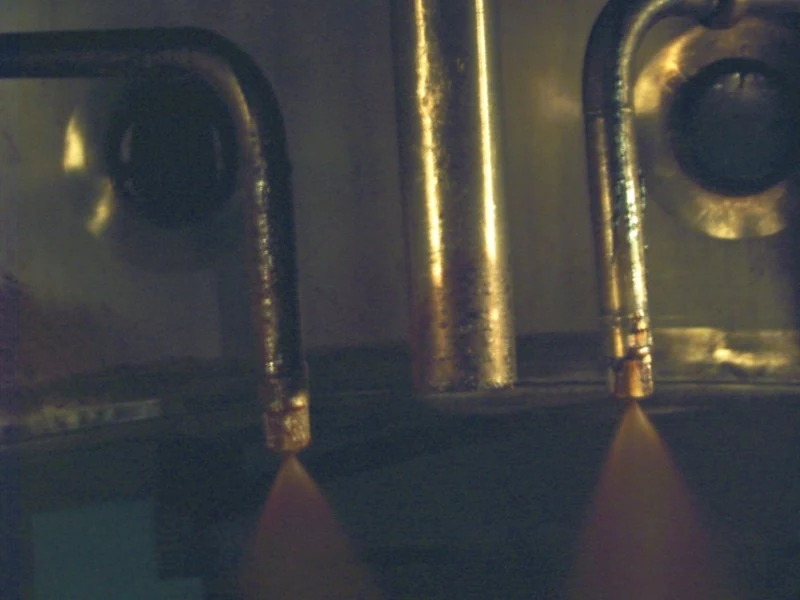
- Pressure nozzle atomization. The feed passes through the nozzle and forms fine droplets with a large surface area for heat and mass transfer.
- Co-current drying. Heated air enters through the distributor at the top of the chamber and travels downward with the droplets. Moisture evaporates as the particles move through the tower.
- Powder separation and collection. Product is collected from the tower outlet and the selected separation system. Exhaust air passes through the specified dust-collection equipment before discharge.
System Components and Configuration Options
- Feed system: feed vessel, filtration and high-pressure pump.
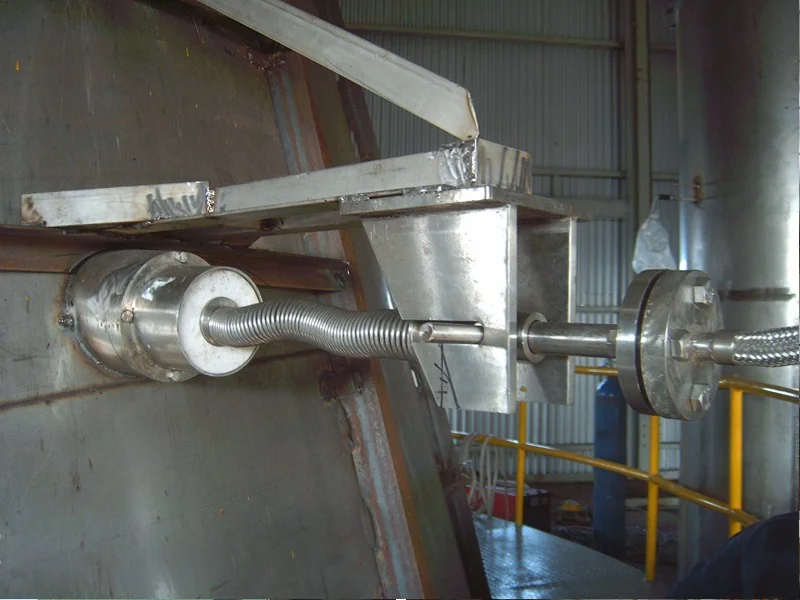
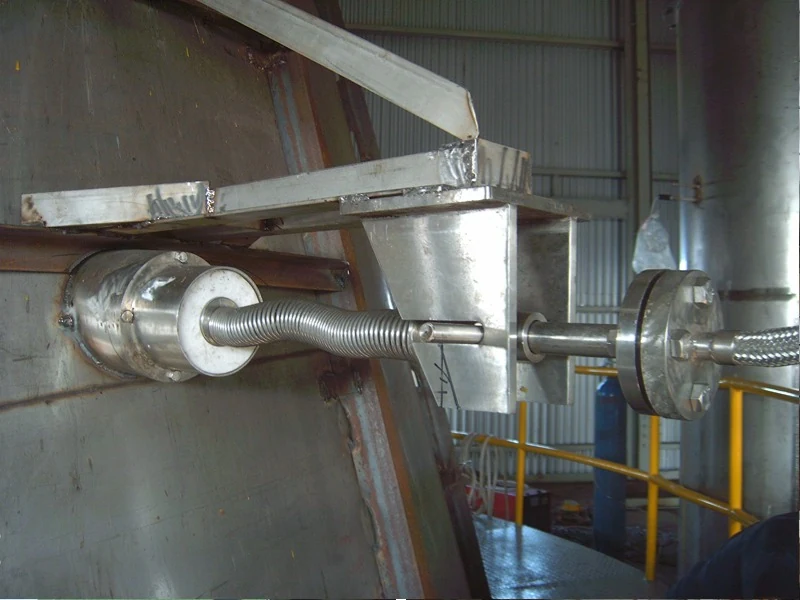
- Atomization system: pressure nozzle assembly selected for the feed and product requirements.
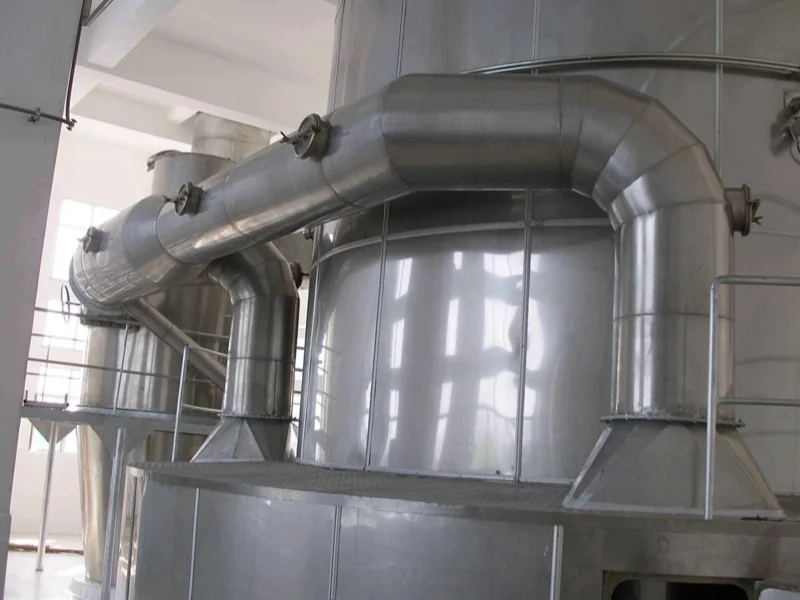
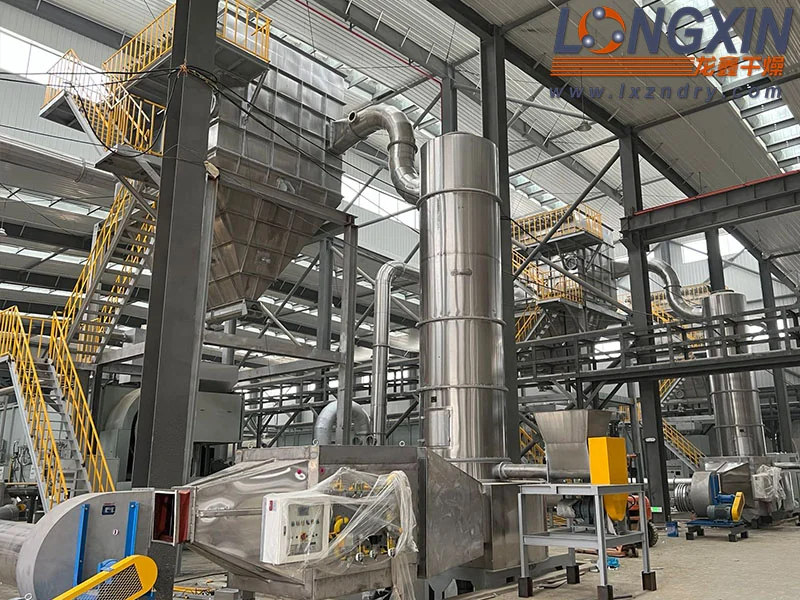
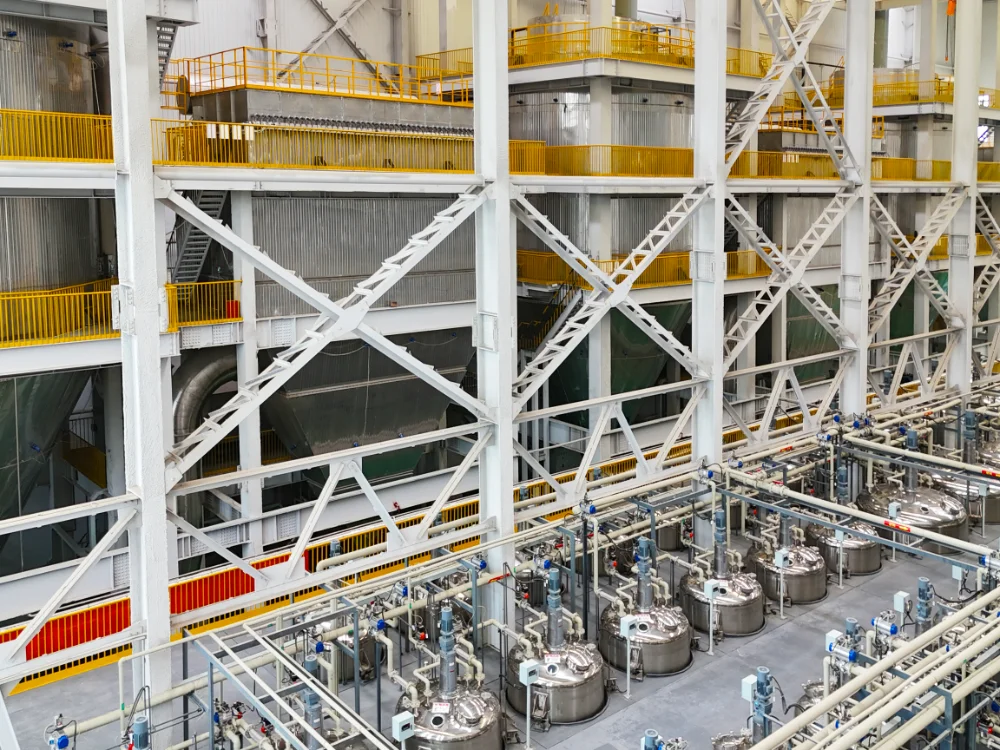
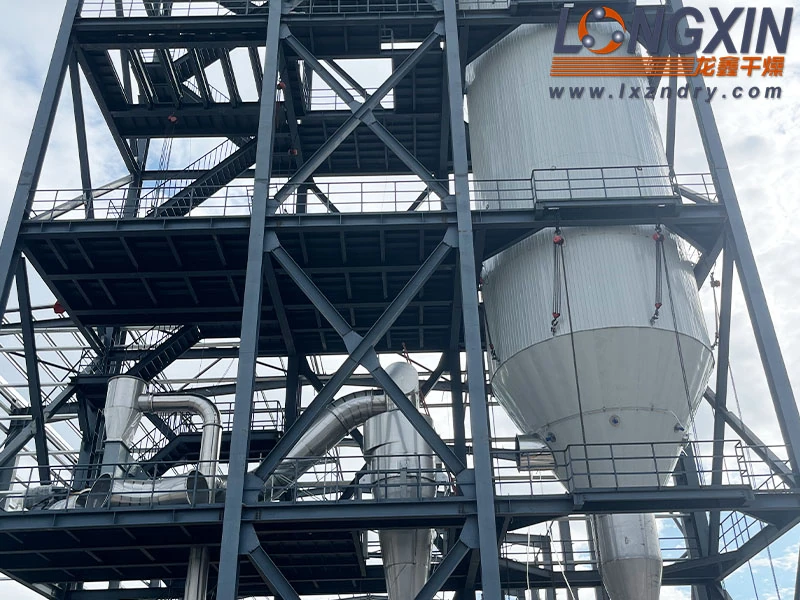
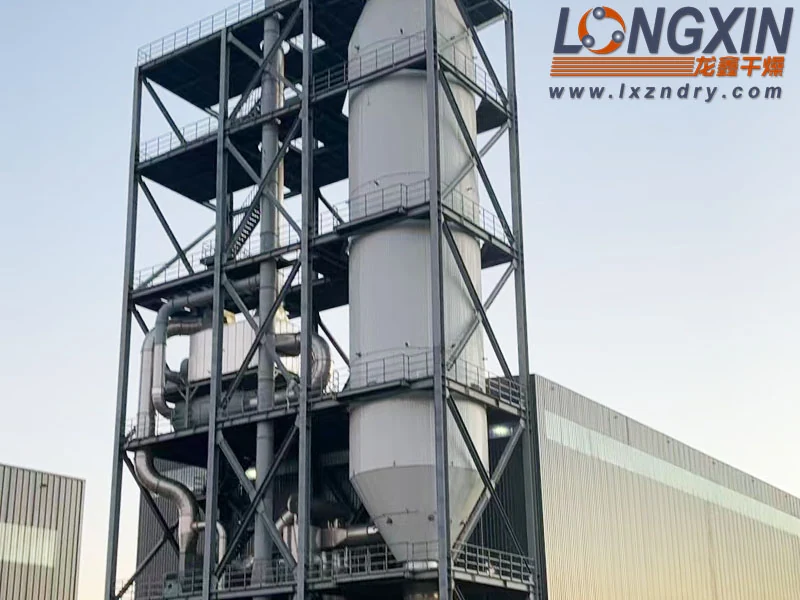
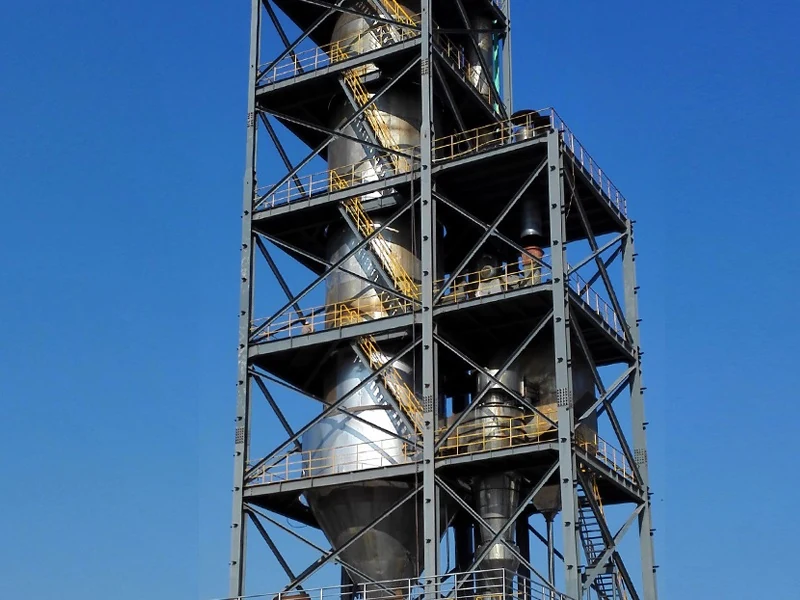
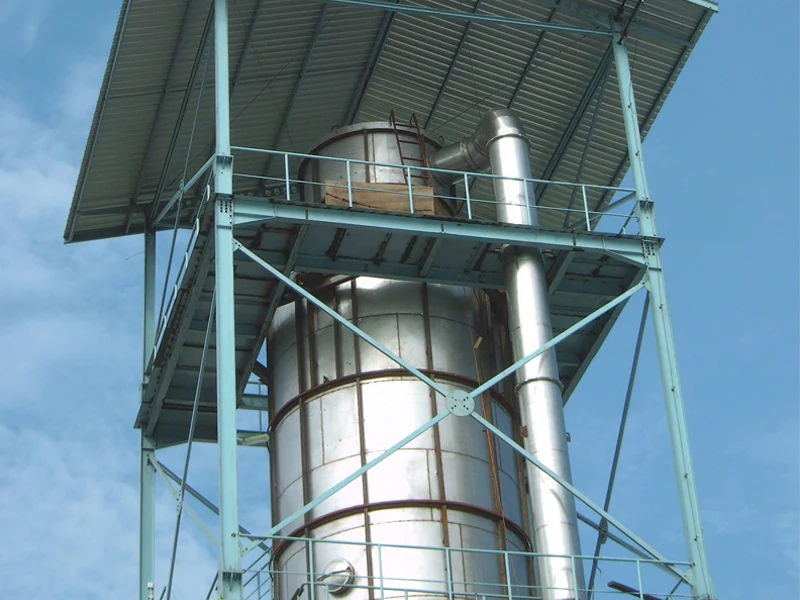
- Drying section: drying chamber, hot-air distributor and air-handling equipment.
- Heating: steam, electric or gas heating, subject to the specified configuration.
- Recovery: cyclone separation, bag filtration and/or wet scrubbing.
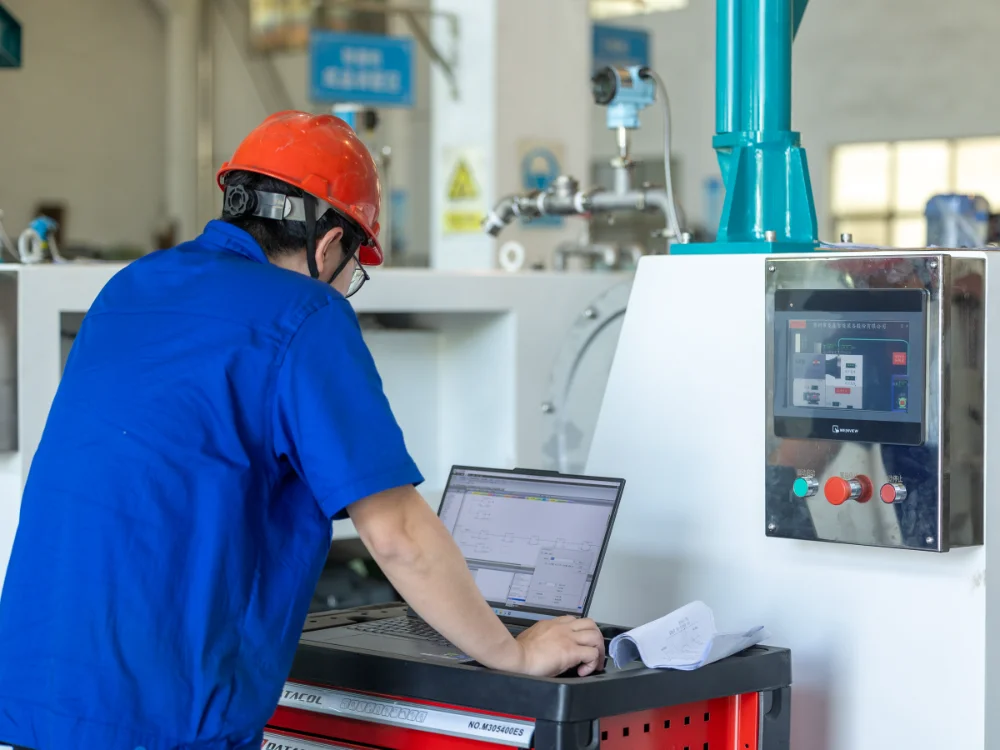
- Process control: monitoring and control of the specified operating parameters.
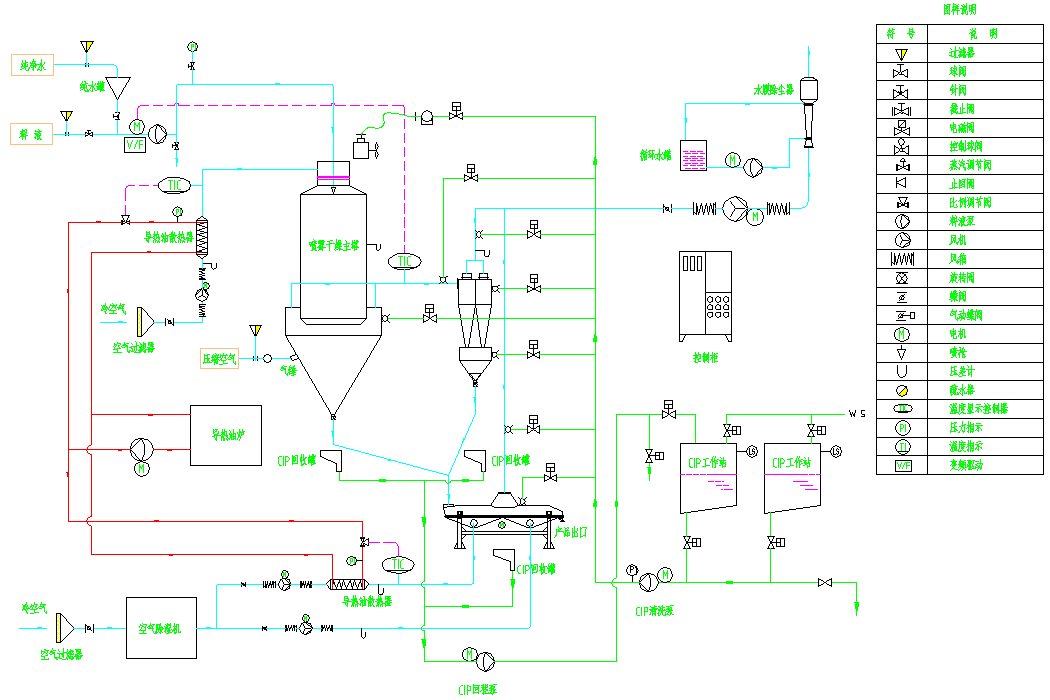
Optional process arrangements include clean-in-place (CIP) cleaning and secondary fluid-bed drying. Dehumidification, batching, pneumatic conveying and powder screening can also be considered according to the application. These items are specified per project rather than assumed to be included in every machine.
Key Features
- Continuous processing: integrates atomization, drying and product collection in one production system.
- Adjustable particle formation: feed pressure, flow rate and nozzle selection can be tailored to the target particle-size distribution.
- Short thermal exposure: rapid drying can suit heat-sensitive feeds when product temperature and operating conditions are properly controlled.
- Flexible powder recovery: cyclone separators, bag filters and wet scrubbers can be combined to suit the material and collection requirements.
- Plant integration: heating, controls and downstream equipment can be selected to match available utilities and the production process.
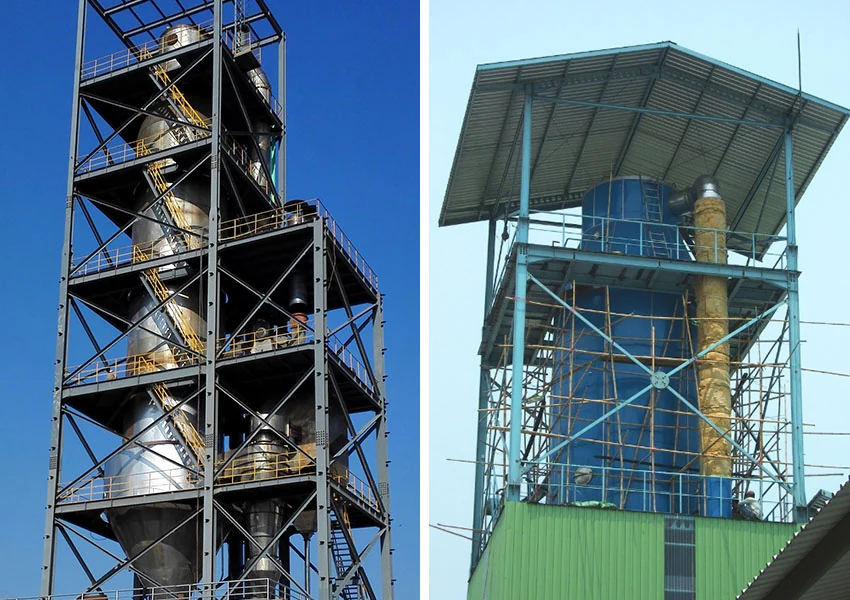
Spray Cooling Configuration
For suitable molten feeds, a spray cooling configuration uses cooling air to solidify atomized droplets into particles. This is a separate process configuration from hot-air drying and should be selected according to the material's melting and solidification behavior. Discuss the required duty with Longxin when specifying the system.
Typical Applications
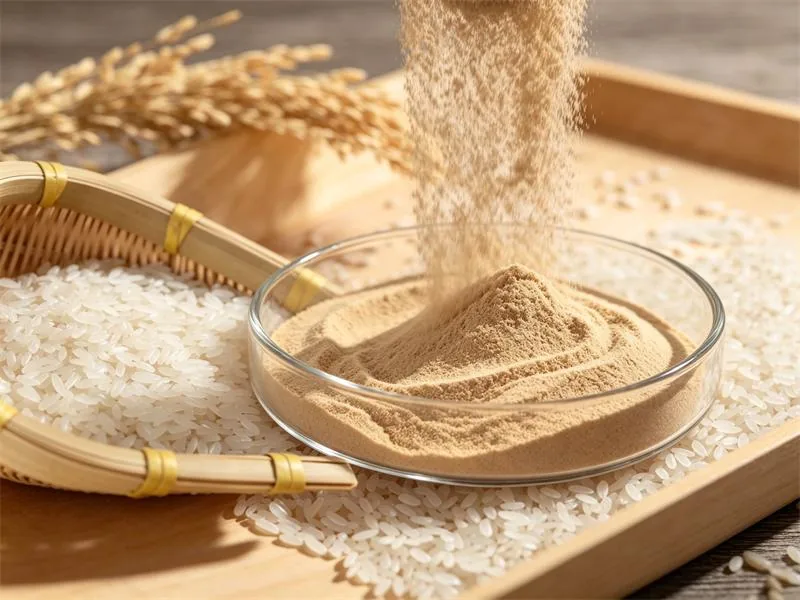
- Food ingredients: dairy ingredients, coffee, tea extracts, proteins, starch-based ingredients and flavorings.
- Pharmaceutical and biological materials: selected extracts, yeast, vitamins and enzymes, subject to material testing and process requirements.
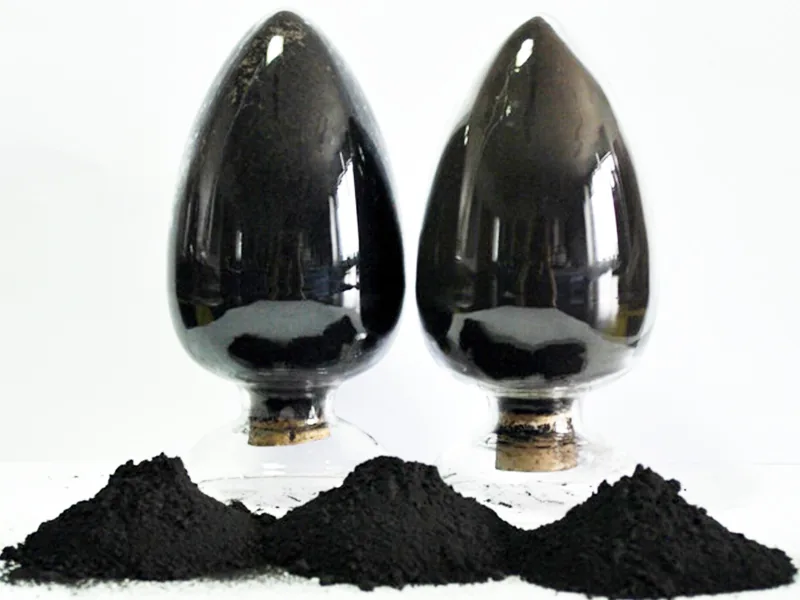
- Chemicals and detergents: dyes, pigments, catalysts and detergent formulations.
- Resins and polymers: suitable emulsions and resin formulations.
- Ceramic materials: alumina, magnesium oxide, talc and ceramic-body preparations.
Suitability and achievable product properties depend on the formulation. Material trials and application-specific design are recommended before final equipment selection.
Specify Your YPG Spray Drying System
To help us select a suitable configuration, include the following information with your inquiry:
- Feed material, solids content, viscosity and pH.
- Required feed throughput or water evaporation rate, with units.
- Target powder moisture, particle-size range and bulk density.
- Maximum allowable product temperature and any special product requirements.
- Available heating utilities, electrical supply and daily operating hours.
- Installation space, available height and powder-collection requirements.
- Cleaning, control and downstream-process requirements.
If only part of this information is available, send the details you have. Longxin can discuss material testing and the remaining design requirements with you.
Standard Process Flow
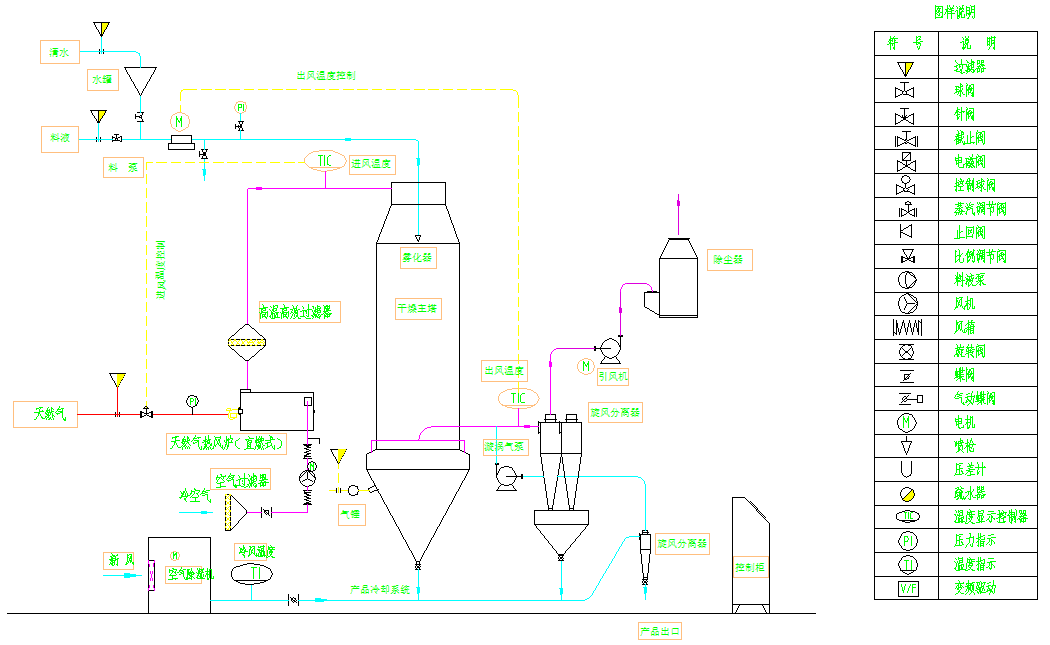
Process Flow with CIP Cleaning
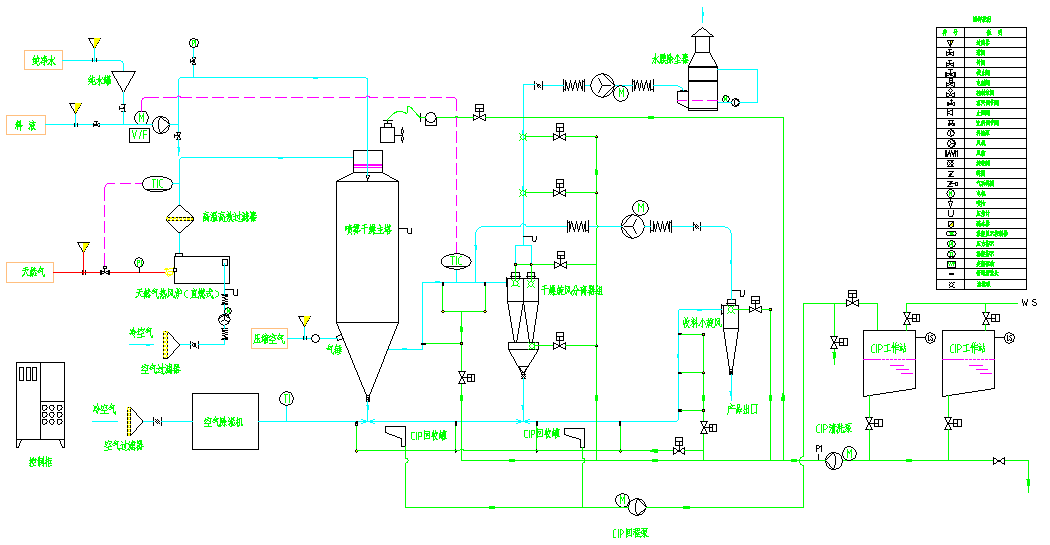
Process Flow with Secondary Fluid-Bed Drying
Selection Questions
How are droplets formed in the YPG spray dryer?
A high-pressure feed pump sends filtered liquid through a pressure nozzle. The nozzle forms droplets that travel with heated air through the drying chamber.
Are CIP and a fluid-bed stage included in every system?
Clean-in-place equipment and secondary fluid-bed drying are optional process arrangements. The required scope is specified for the material and project.
Compare Spray Drying Options
Rotary atomizer spray dryer · Two-fluid nozzle spray dryer · Closed-loop spray dryer
Discuss your material and request an equipment recommendation.