Wet Fine Grinding and Dispersion for Advanced Materials
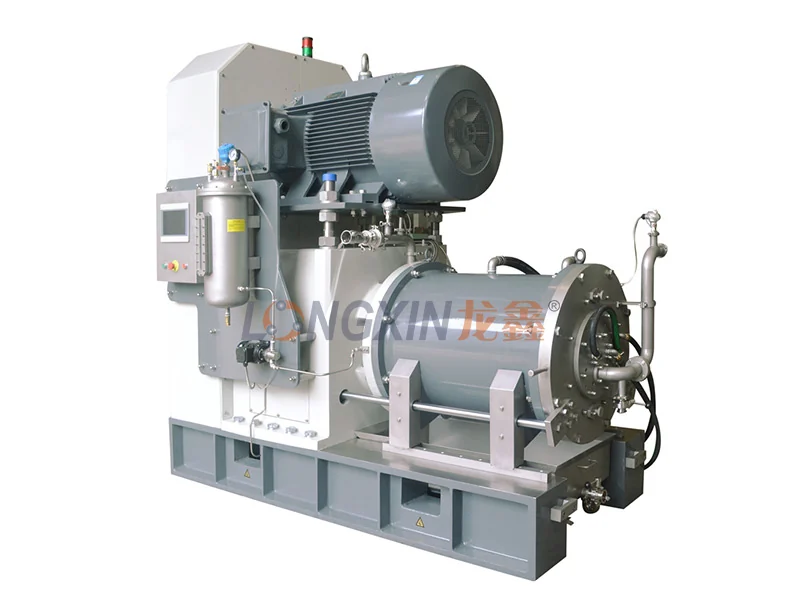
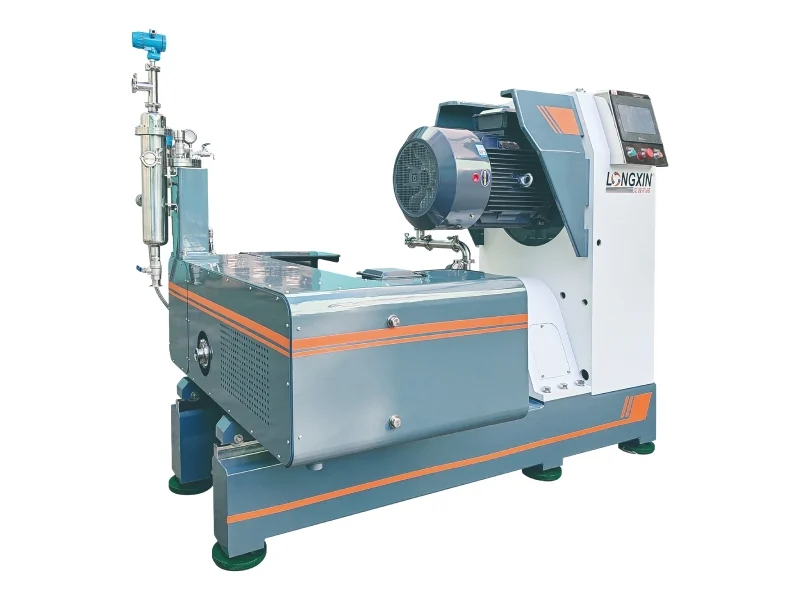
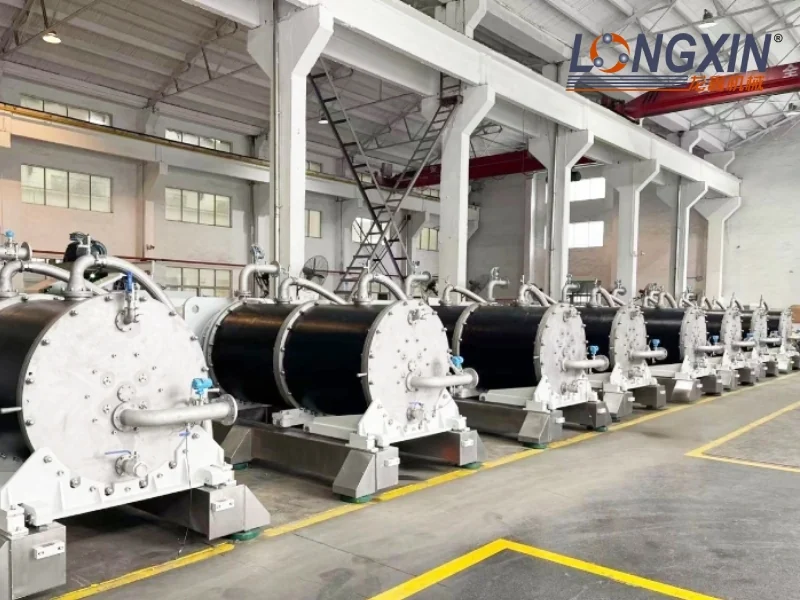
The Longxin WSP high-flow pin-type bead mill reduces particle size and disperses solids in liquid formulations. The series supports demanding wet grinding applications, including battery material slurries, electronic materials, pigments, inks and coatings.
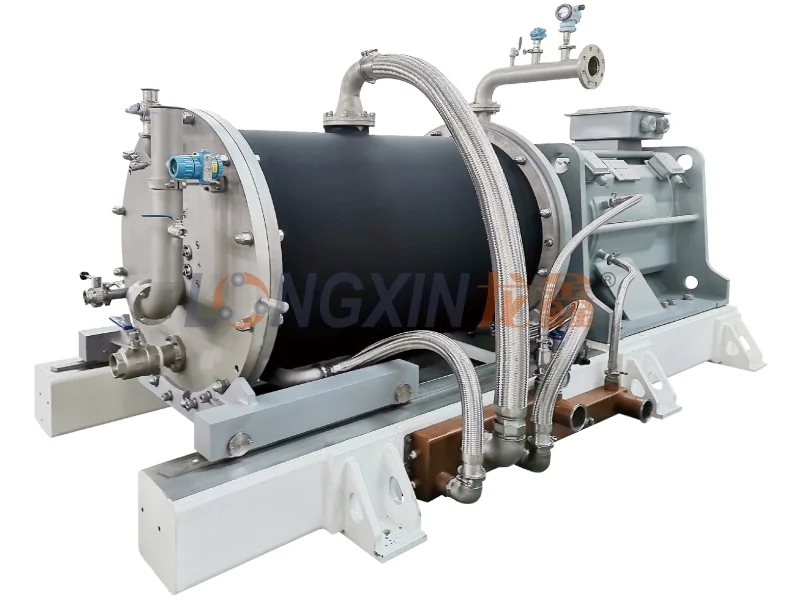
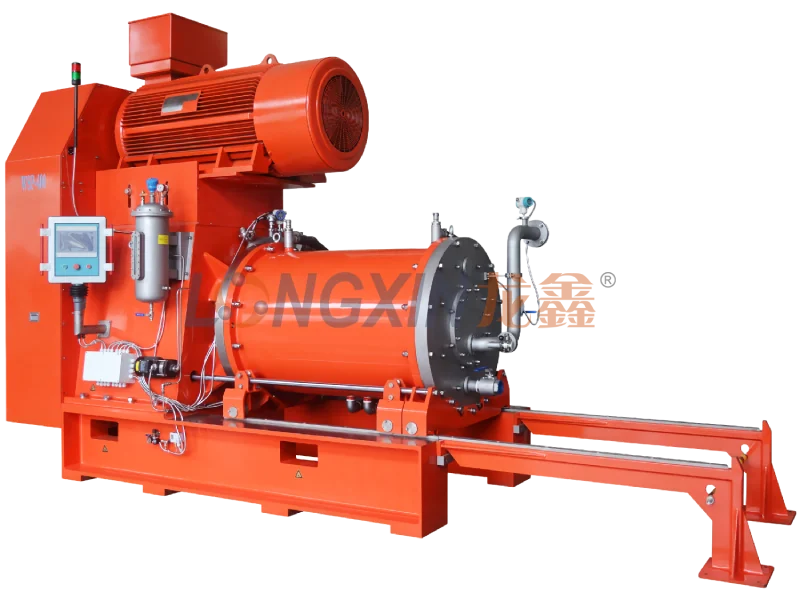
A modular grinding assembly combines turbine and pin elements with a large-area separation screen. Grinding energy, media size, slurry flow and cooling are selected together to achieve the required particle-size distribution while controlling product temperature.
How the Pin-Type Bead Mill Works
- Slurry feeding: the feed system delivers a prepared slurry to the grinding chamber at a controlled flow rate.
- Media agitation: the turbine and pin elements accelerate the grinding beads, creating circulating flow and radial impacts within the chamber.
- Particle-size reduction: shear, collision and compression between the moving beads break down particles and disperse agglomerates.
- Media retention and product discharge: a large-area screen retains the grinding media while allowing the processed slurry to flow out. Screen selection must match the bead size and slurry properties.
- Process control: rotor speed, feed flow, pressure and temperature are coordinated with the grinding duty. Cooling removes heat generated during milling.
Grinding Chamber and Separation Design
- Modular turbine-and-pin assembly: the grinding components can be selected around the feed properties and required product fineness.
- Large-area separation screen: a greater flow area supports slurry discharge while helping limit pressure buildup in the chamber.
- Wear-resistant components: the described configuration uses a silicon carbide grinding chamber and tungsten carbide pins. Contact materials are selected for wear resistance, chemical compatibility and contamination limits.
- Cooling provision: chamber cooling and thermally conductive components help transfer grinding heat to the cooling system.
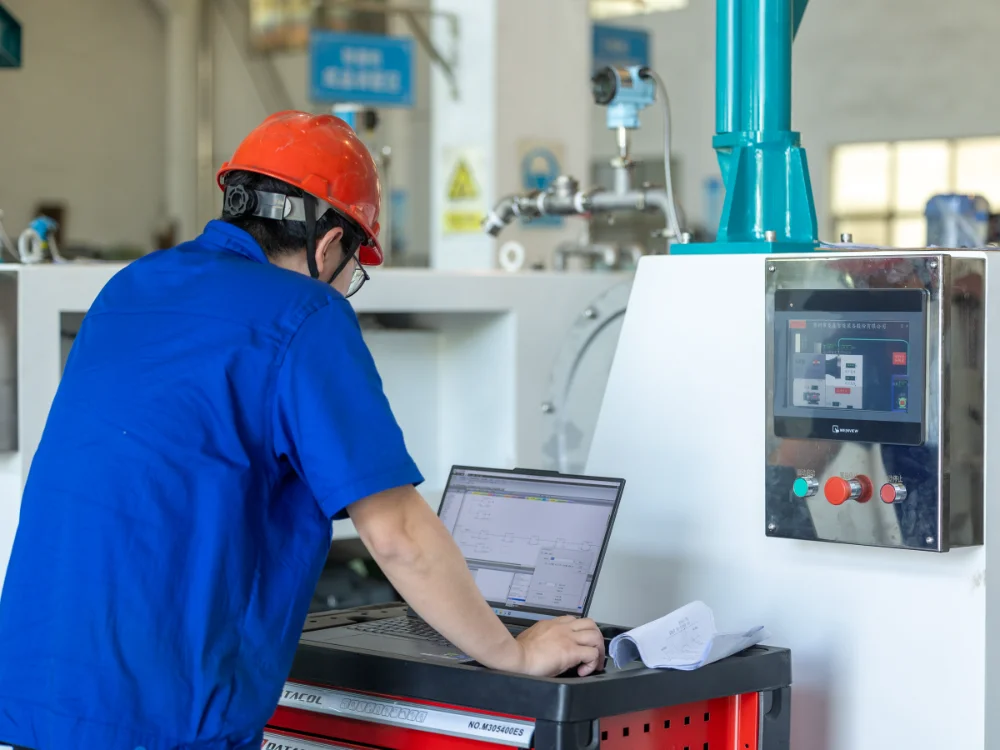
- PLC control: temperature and pressure monitoring support controlled operation. Speed and flow settings can be coordinated with the process.
Configuration and Production-Line Integration
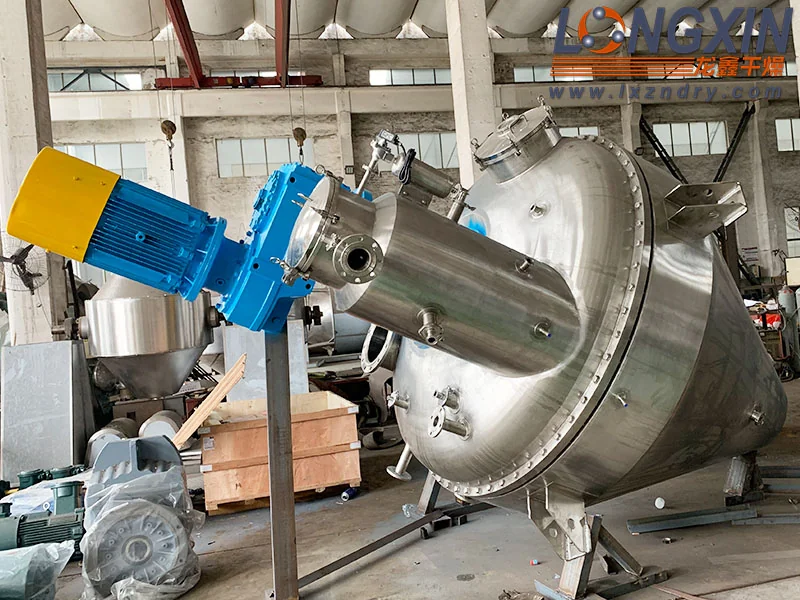
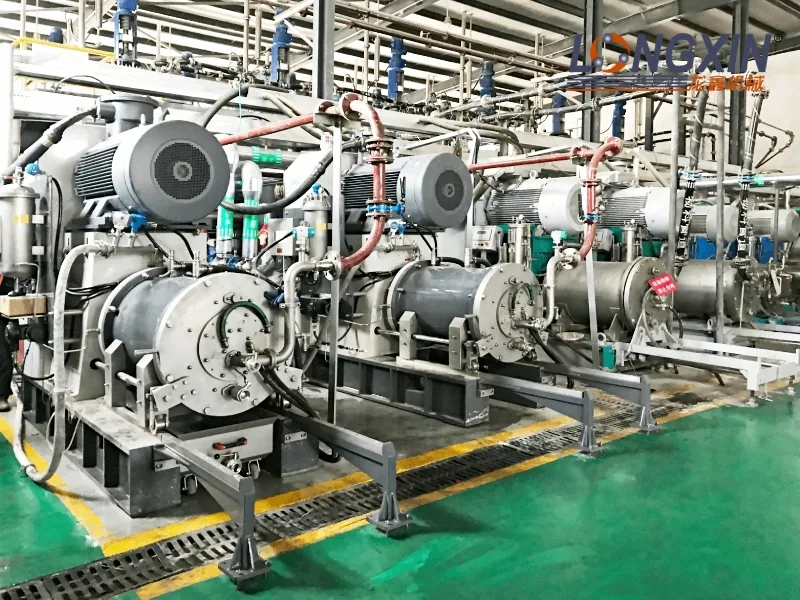
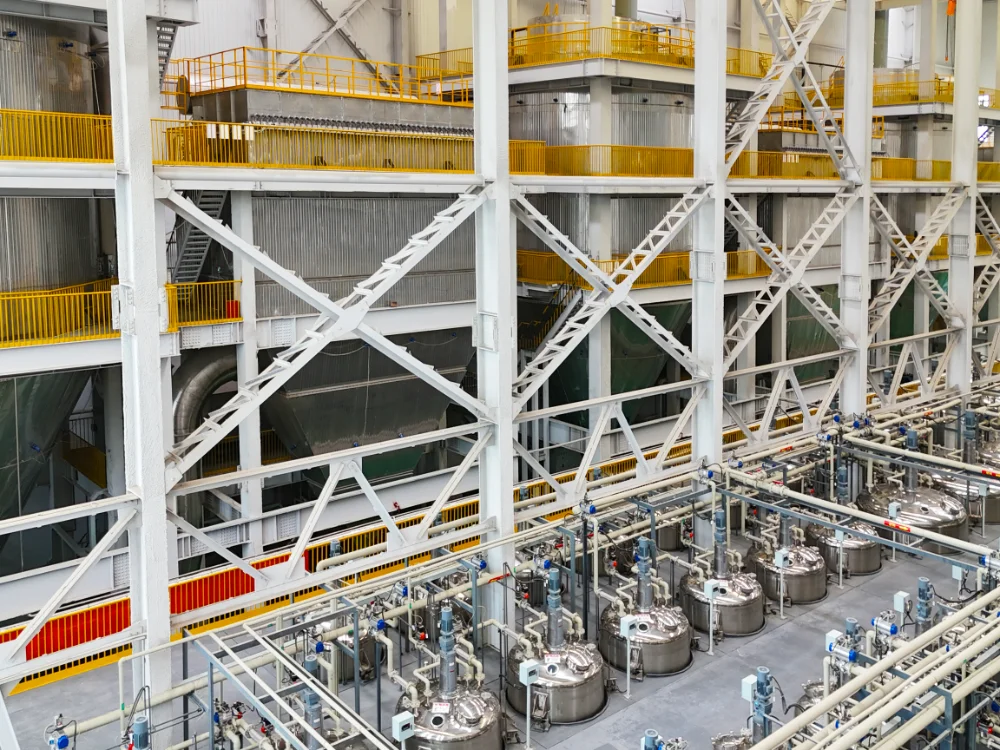
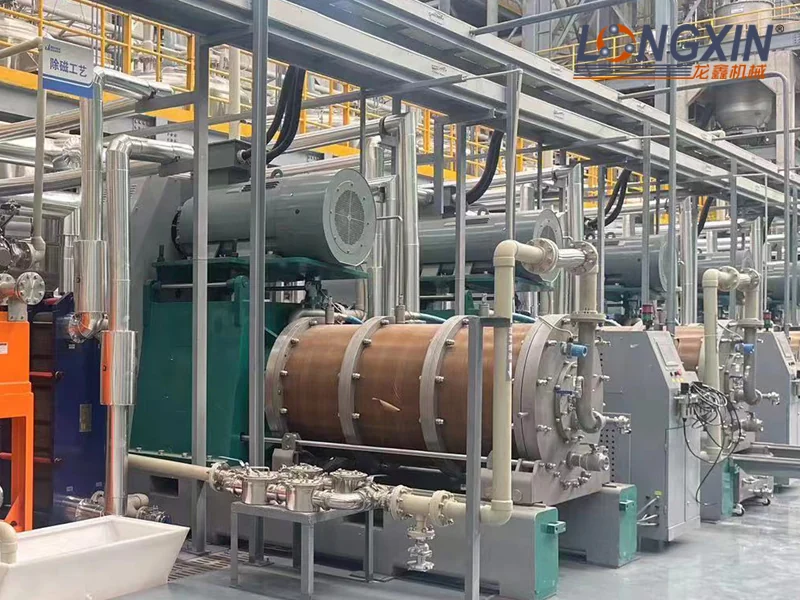
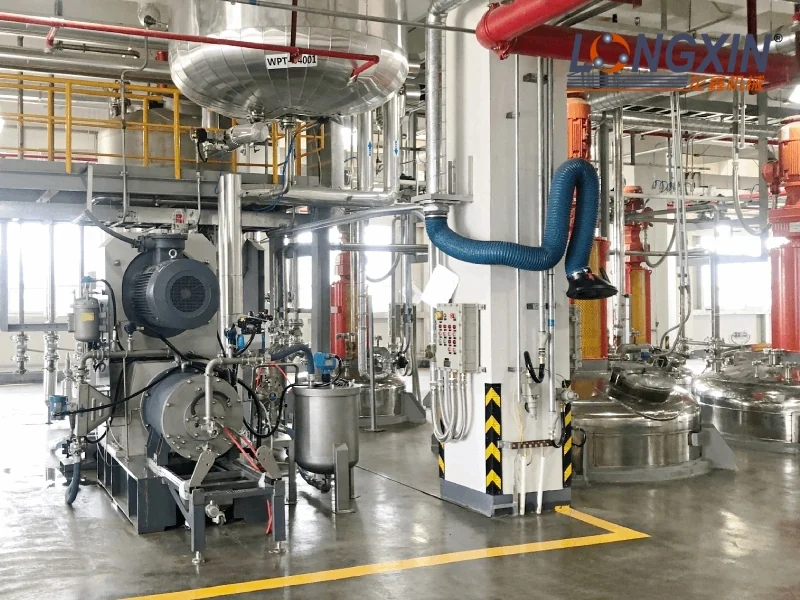
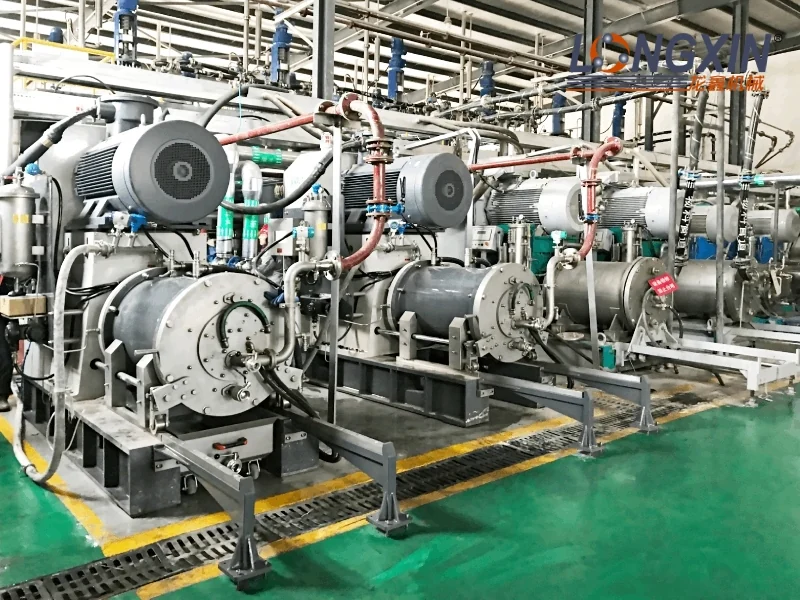
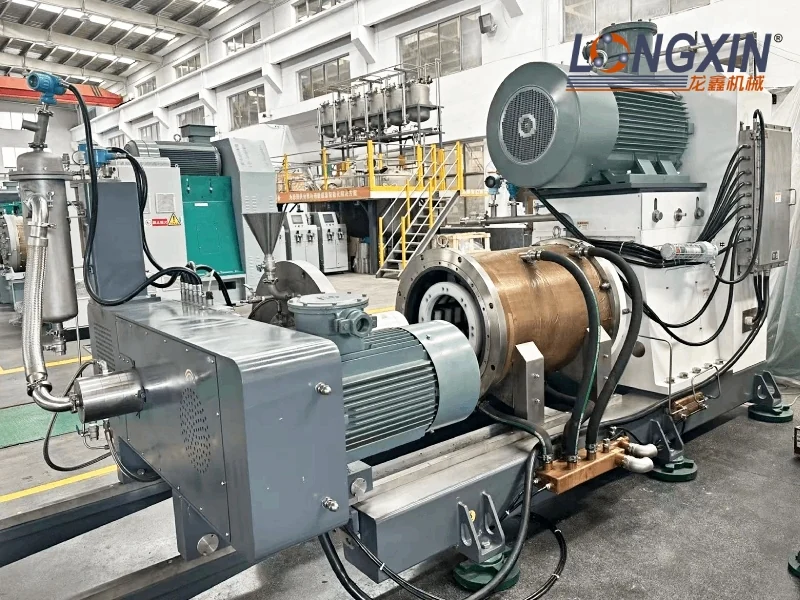
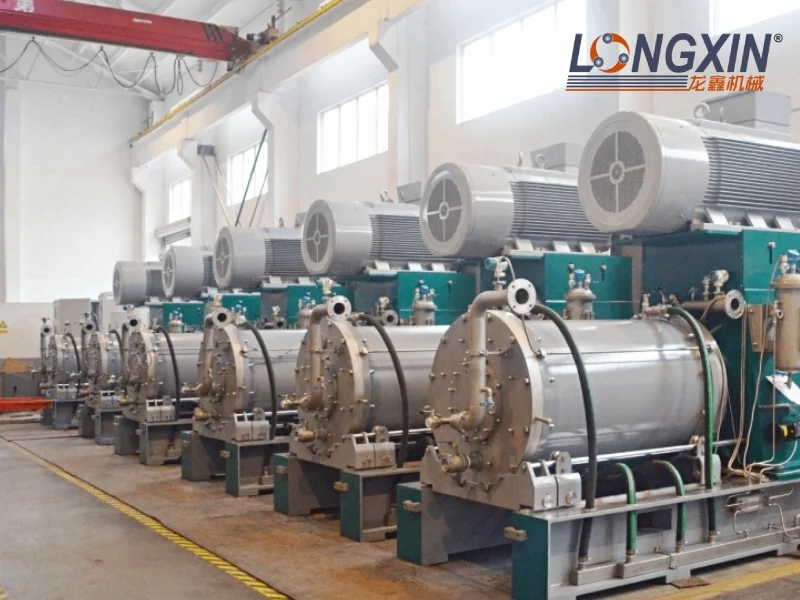
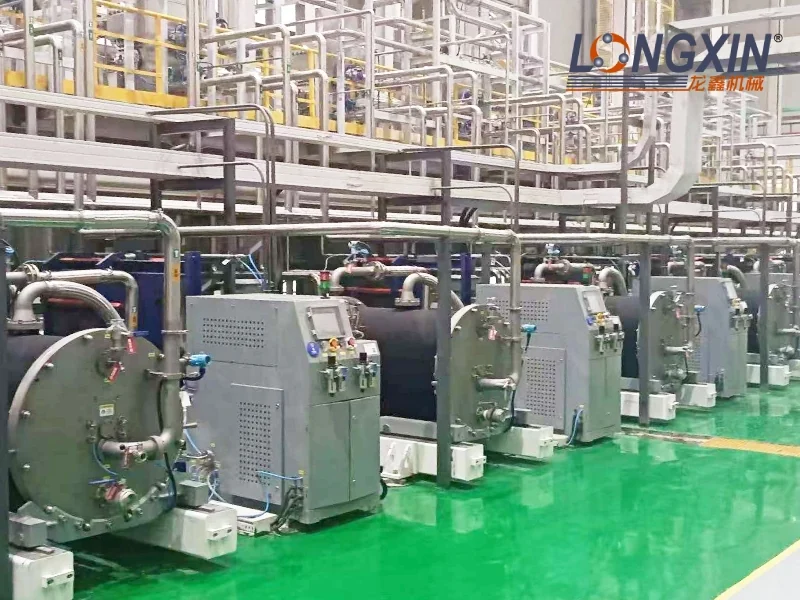
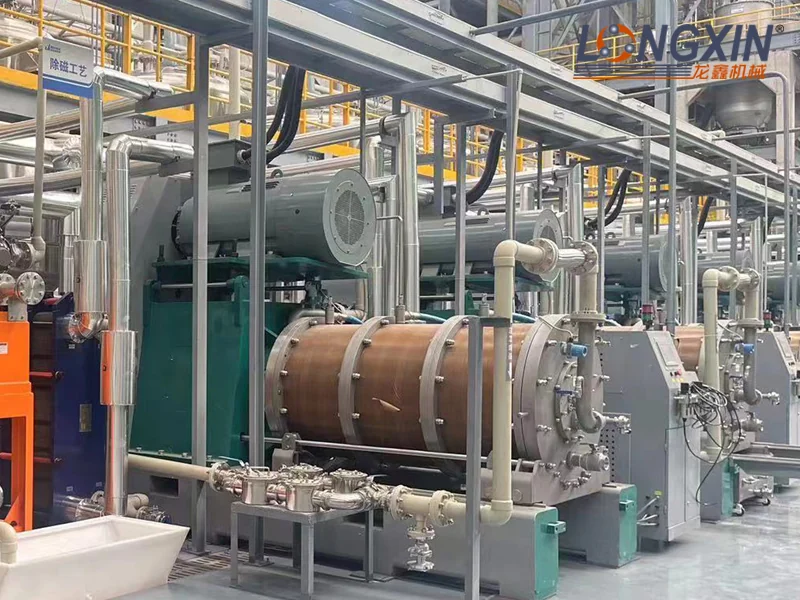
The WSP range includes different chamber sizes and drive arrangements. The gallery shows dual-drive machines and permanent-magnet direct-drive configurations as well as complete installations.
- Grinding media: bead material and diameter are chosen for feed particle size, slurry viscosity, the separation arrangement and the required final fineness. Zirconia beads are one available process choice.
- Material compatibility: contact-material options described for the series include silicon carbide, polyurethane, silicon nitride, zirconia and 316L stainless steel, depending on the component and application.
- Formulation handling: water-based, oil-based and solvent-based systems require a configuration suited to the formulation and operating conditions.
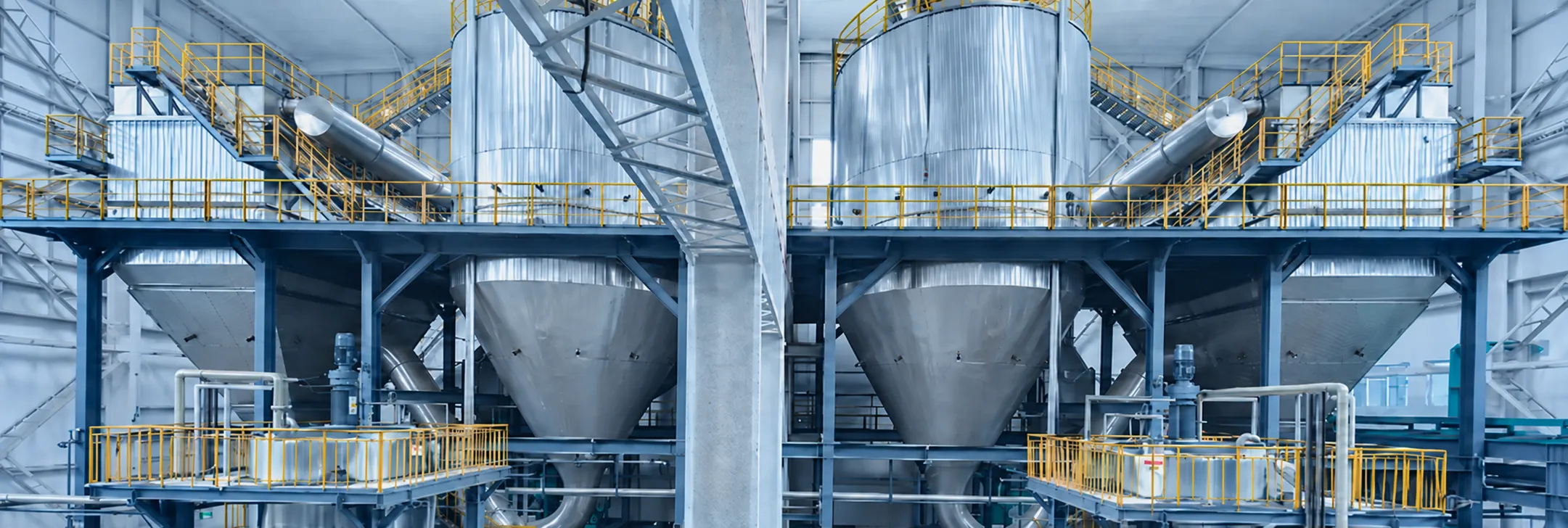
- Recipe and line coordination: PLC recipes and plant-control or MES integration can be configured for production requirements. Online particle-size measurement and related feedback control are specified separately where required.
Reference Layout
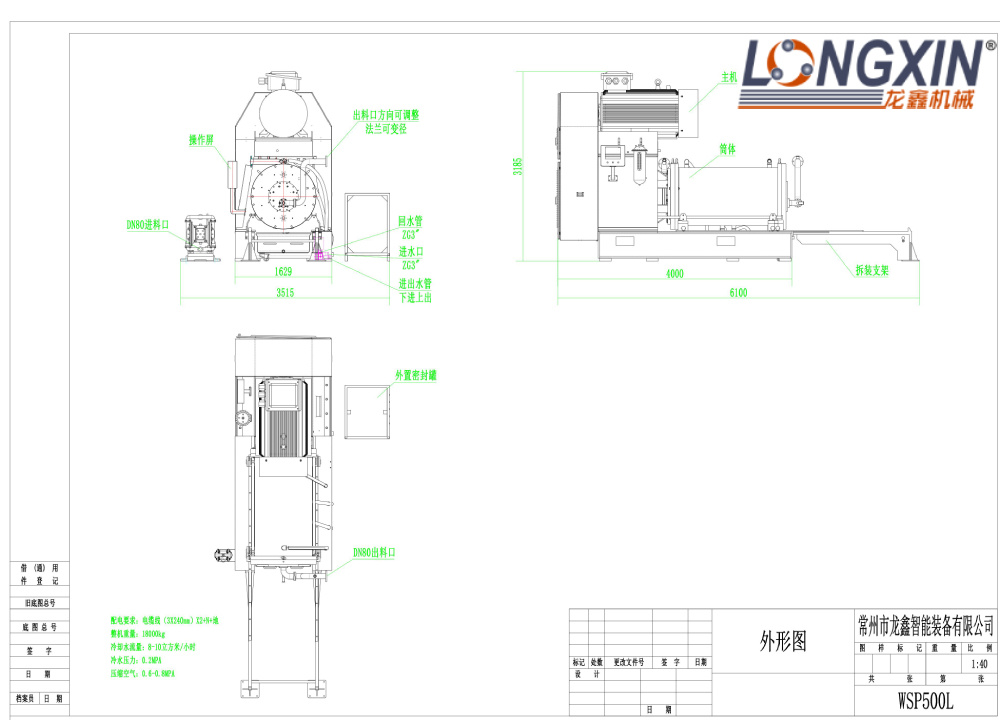
The WSP-500 outline below illustrates the chamber, drive, access arrangement and maintenance space. It represents a particular configuration and is not a universal installation drawing for all WSP-500 machines.
Typical Applications
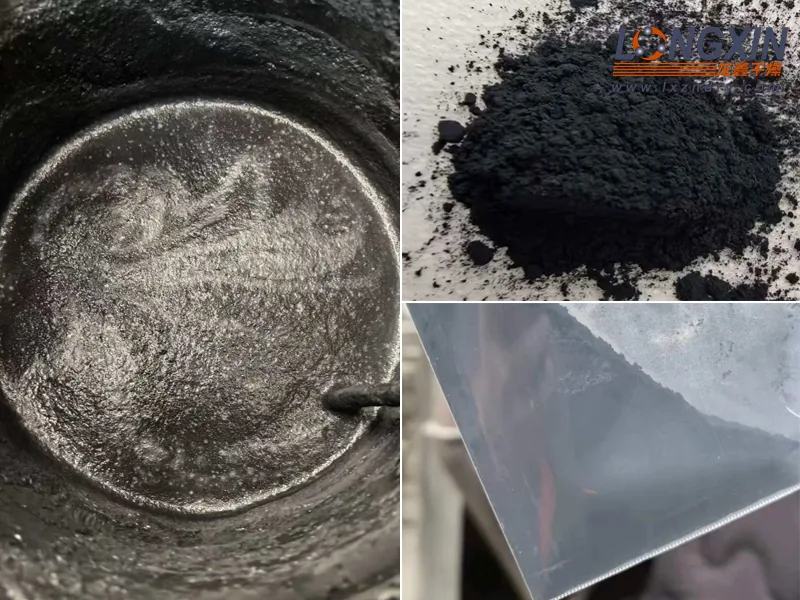
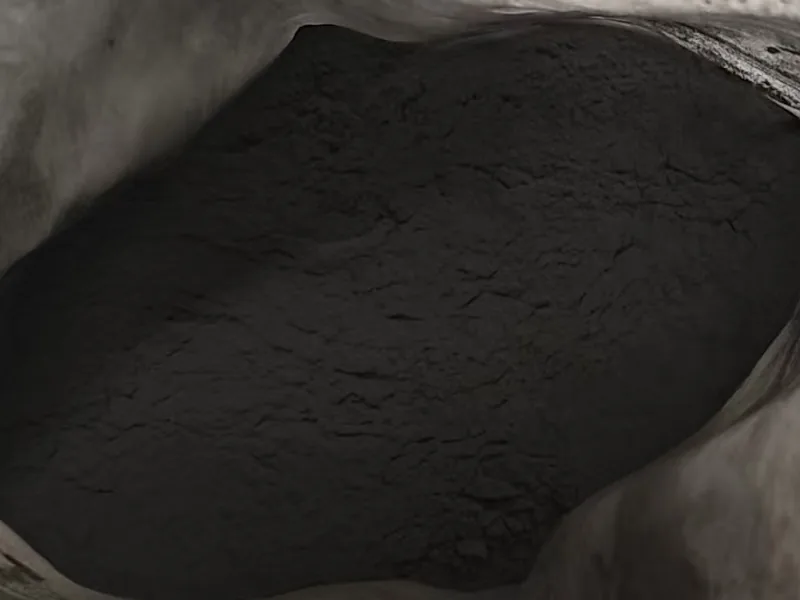
- Battery materials: lithium iron phosphate, ternary cathode materials, layered oxides, Prussian blue, hard carbon and silicon-carbon formulations.
- Inks and coatings: pigment dispersions, UV inks, waterborne coatings and other formulated color systems.
- Photovoltaic and electronic slurries: silver pastes and other fine-particle dispersions where particle distribution and contamination control matter.
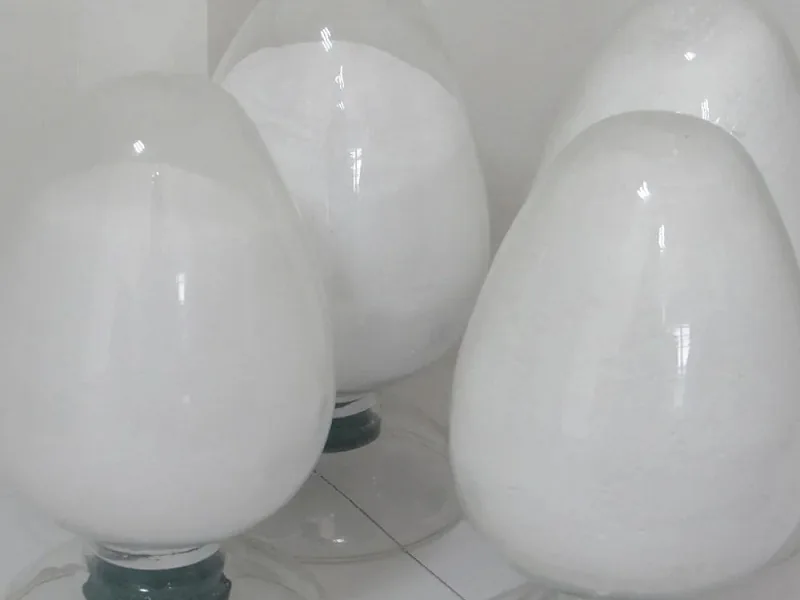
- Fine chemicals and ceramics: catalysts, pigments, electronic ceramics and related advanced-material suspensions.
- Food and pharmaceutical formulations: suitable wet-milling applications with contact materials, cleanability and process requirements specified for the product.
Final particle size, throughput and temperature depend on the formulation, initial particle size, solids content, viscosity, media selection and processing conditions. Application trials establish the suitable operating window.
Bead Mill Design Documentation
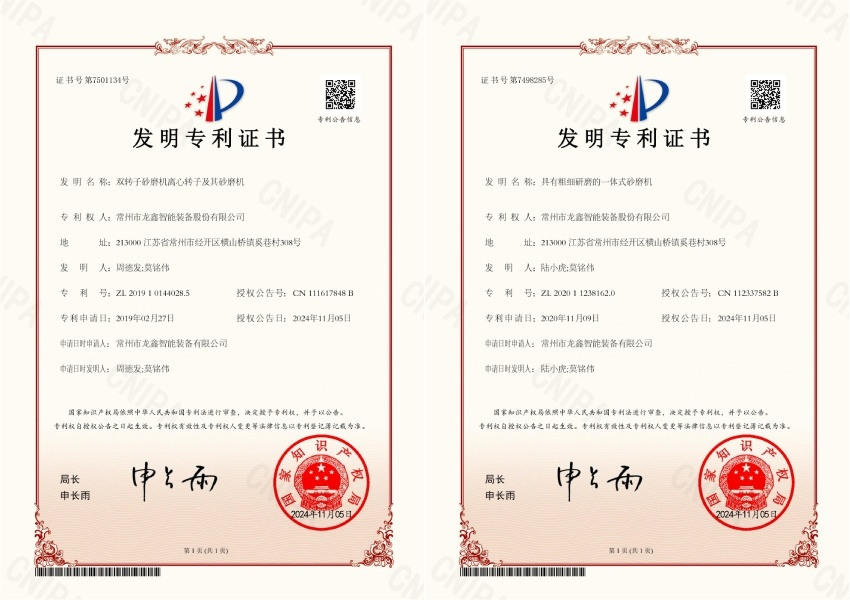
The supplied documentation includes Chinese invention patent certificates relating to Longxin bead mill designs.
Specify Your Wet Grinding Application
Provide the material composition, liquid phase, solids content, viscosity, initial particle-size distribution and target D50 or D90. Include batch volume or required throughput, product temperature limit, contamination restrictions and available cooling utilities. These inputs guide model selection, grinding media, contact materials, separator configuration and control requirements.
Bead Mill Selection Questions
How is grinding media separated from the slurry?
The described WSP configuration uses a large-area separation screen to retain the beads while the processed slurry flows out. Screen selection must match the bead size and slurry properties.
What information is needed to select a WSP bead mill?
Provide the material and liquid phase, solids content, viscosity, initial and target particle-size distribution, throughput or batch volume, product temperature limit, contamination restrictions and cooling utilities.