Flexible Spray Drying for Laboratory Research and Small-Scale Production
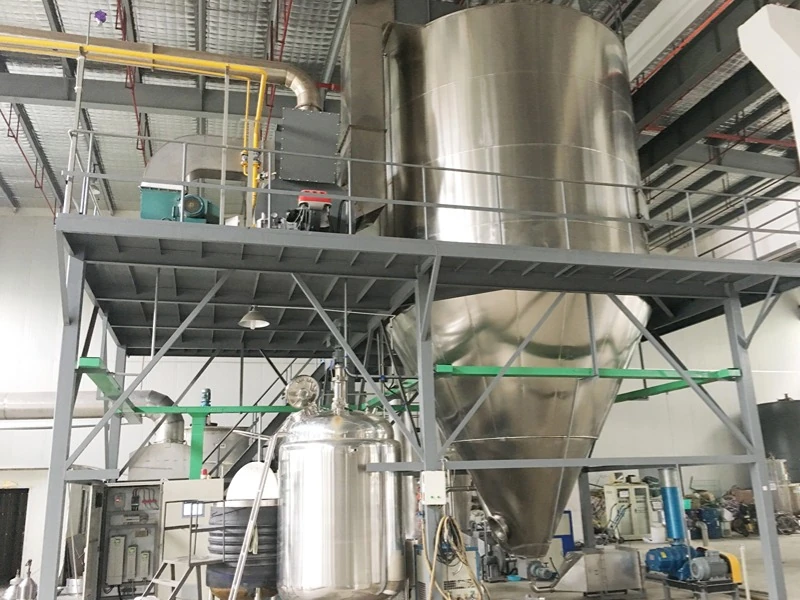
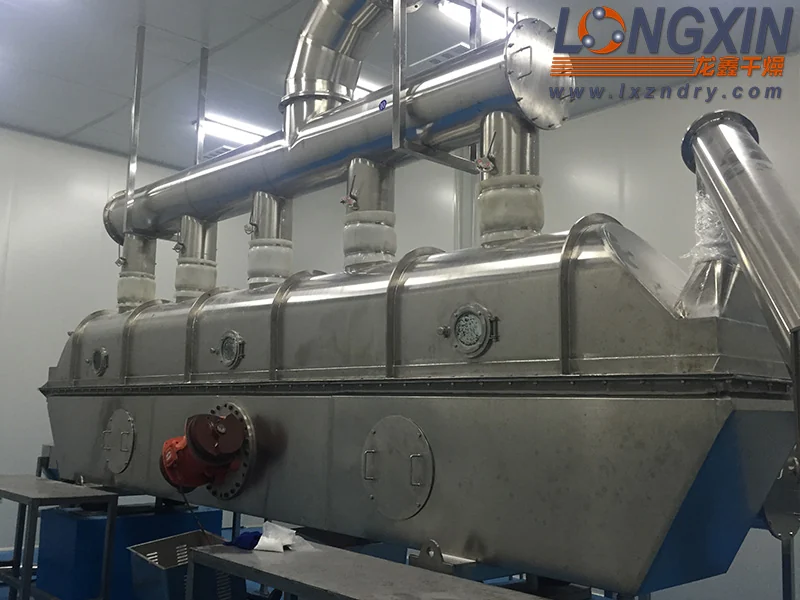
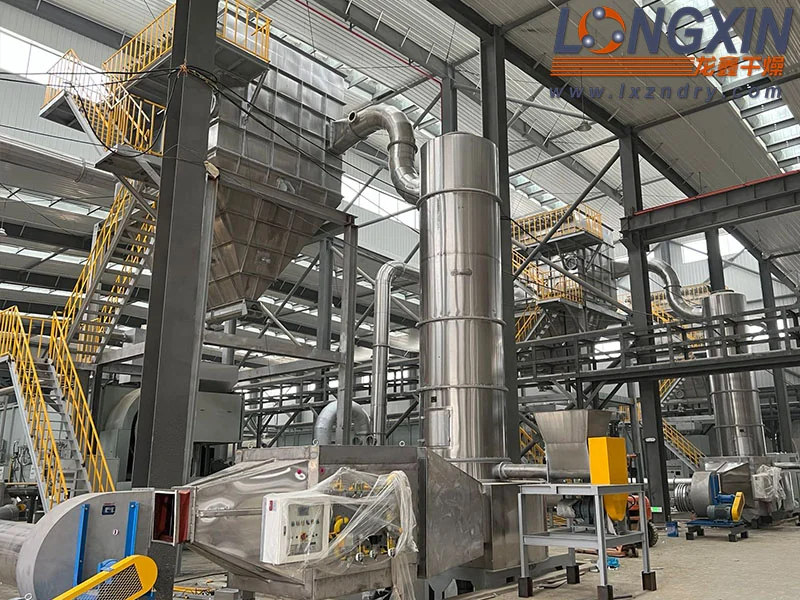
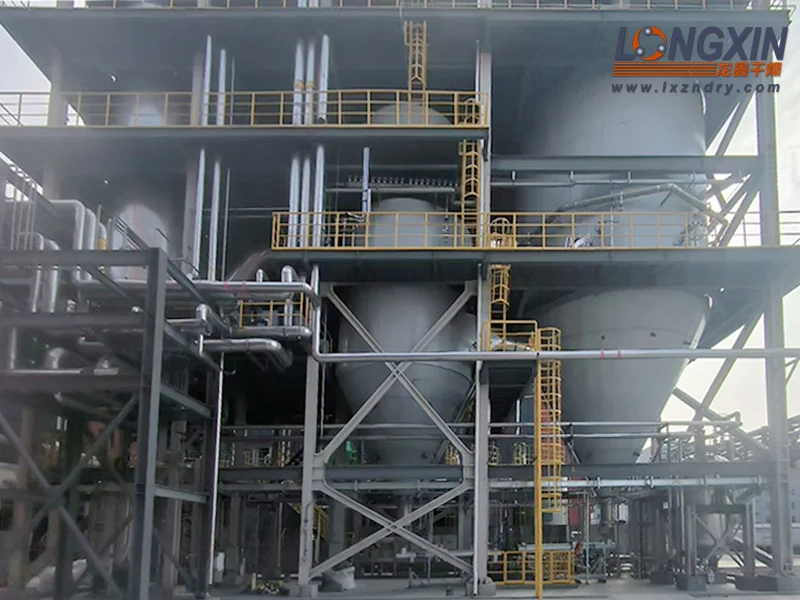
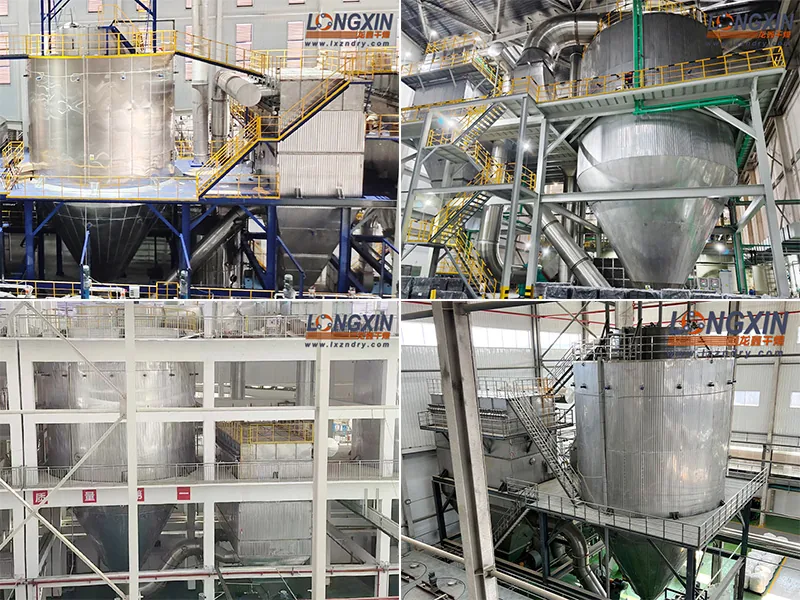
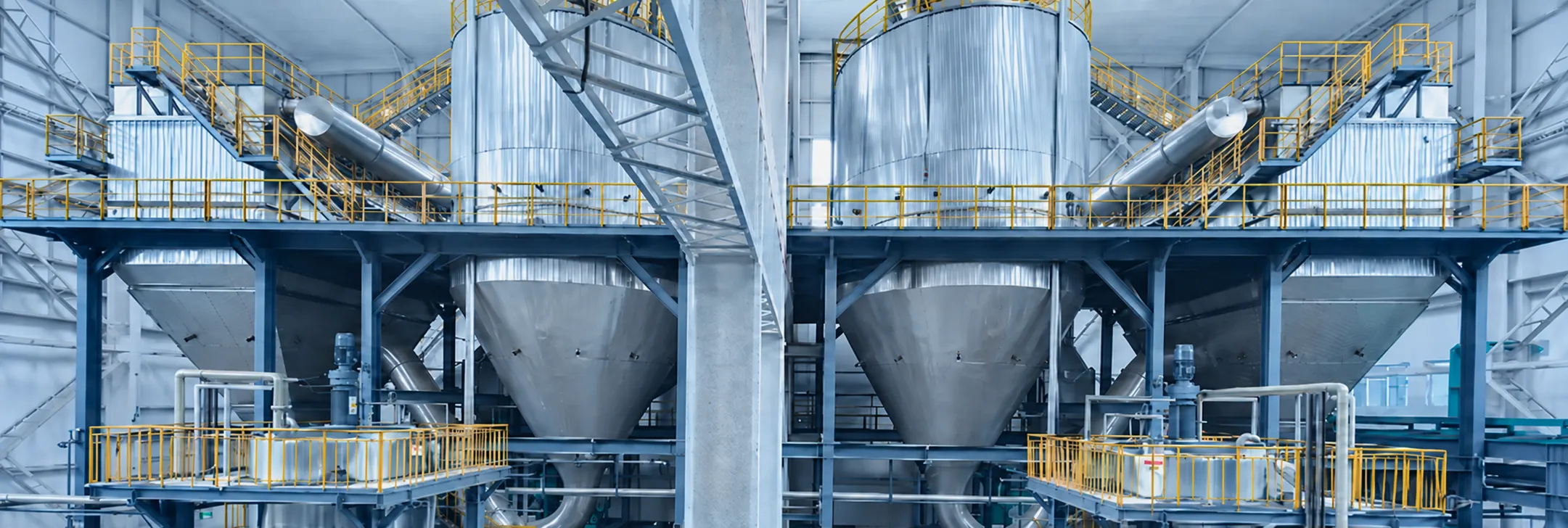
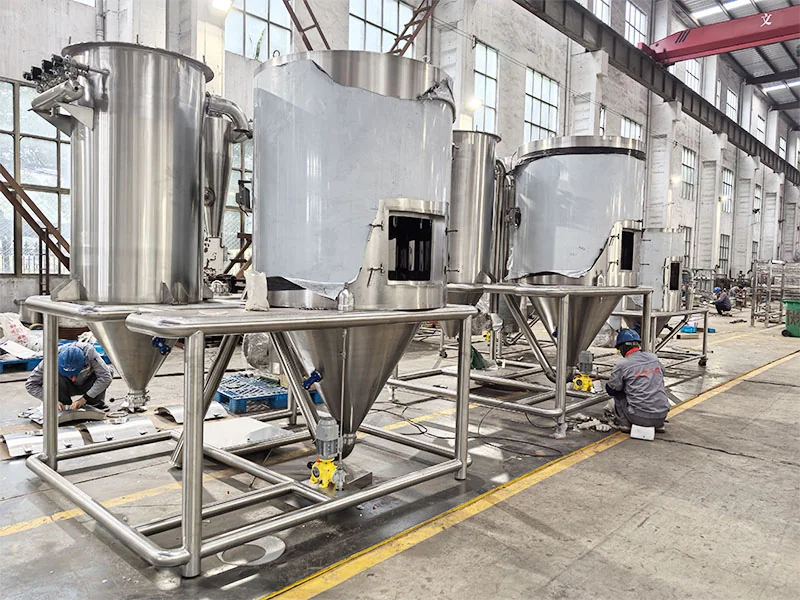
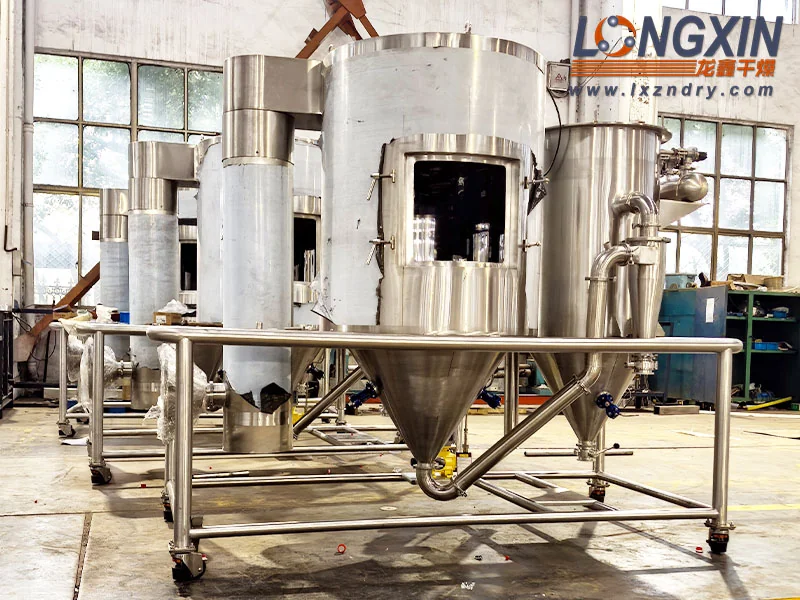
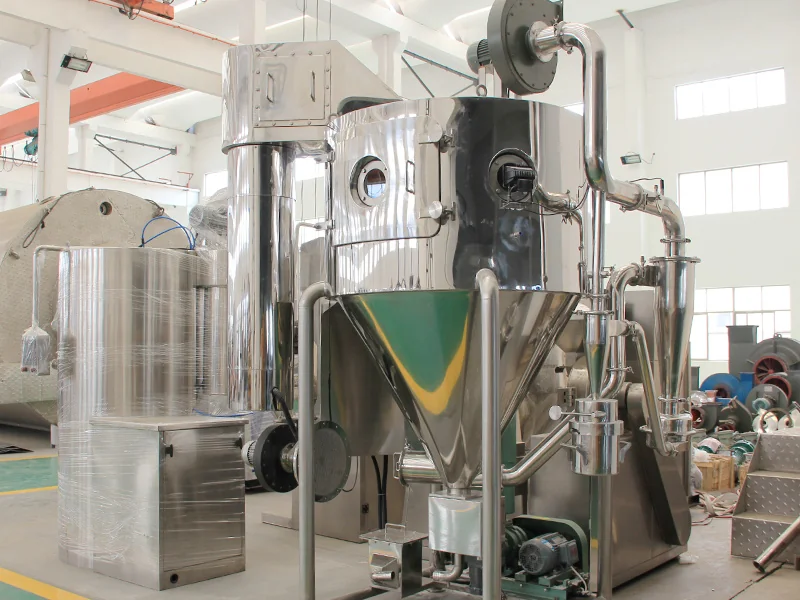
The LPG-Y is a modular laboratory spray dryer for developing powders from liquid feeds. It combines interchangeable atomization systems with configurable powder discharge and collection equipment, allowing researchers to evaluate formulations and drying conditions on one platform.
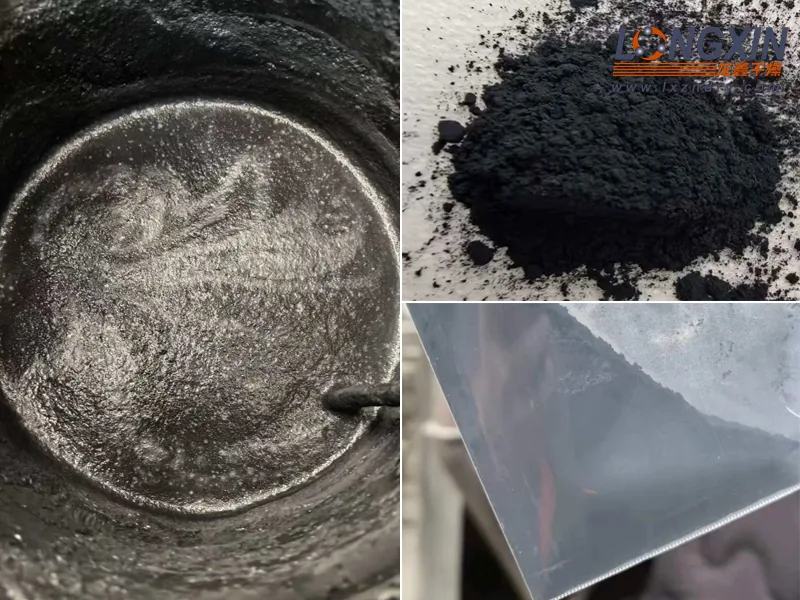
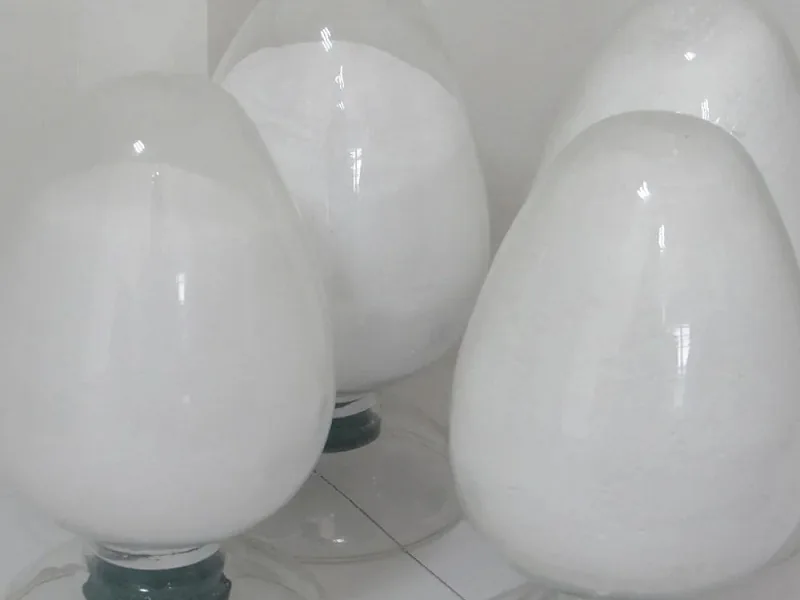
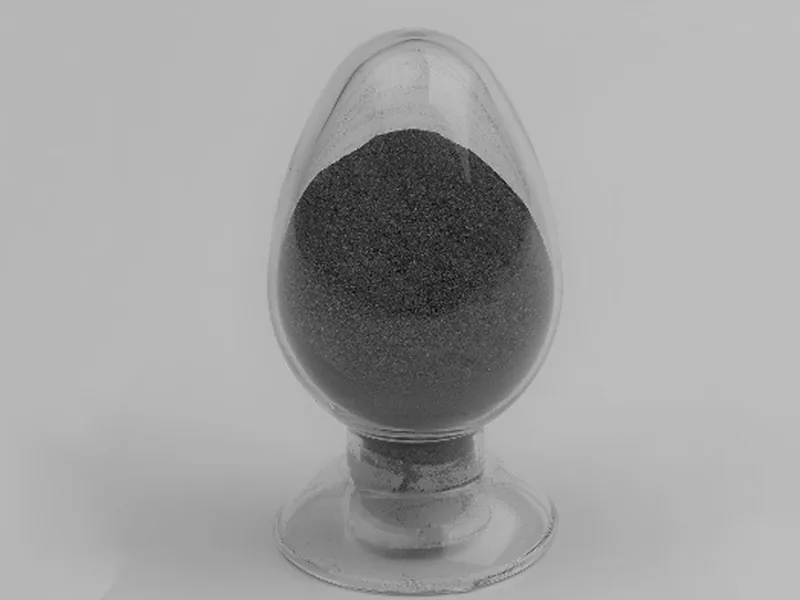
In battery-material research, the system can support trials involving cathode materials such as lithium iron phosphate and layered oxide materials, anode materials such as graphite, and suitable solid-electrolyte formulations. Trials help assess particle size, morphology, moisture and handling properties before moving to pilot production.
Select the Atomization Method for Your Material
Atomizer selection depends on feed viscosity, solids content, abrasiveness and the required powder characteristics. The available arrangements include rotary, two-fluid and pressure-nozzle atomization, with co-current or mixed-flow operation as specified for the configuration.
Rotary Atomization — Co-Current Drying
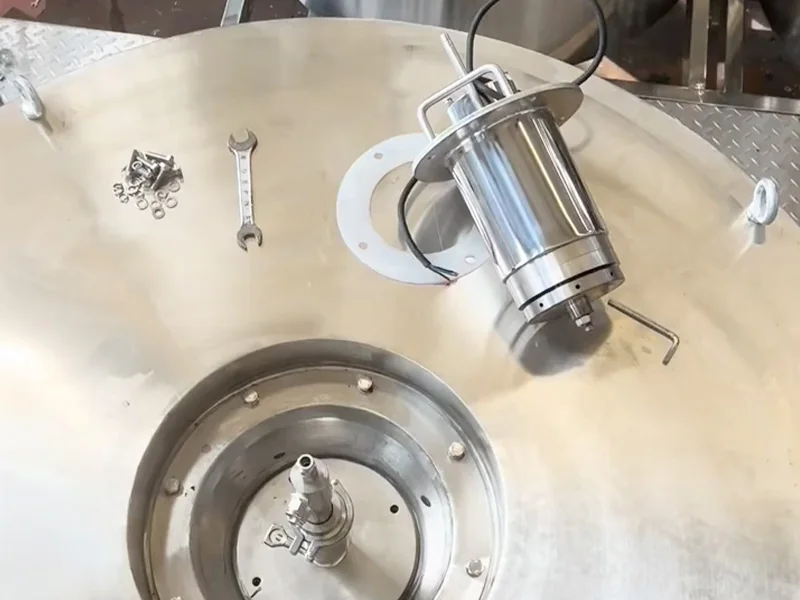
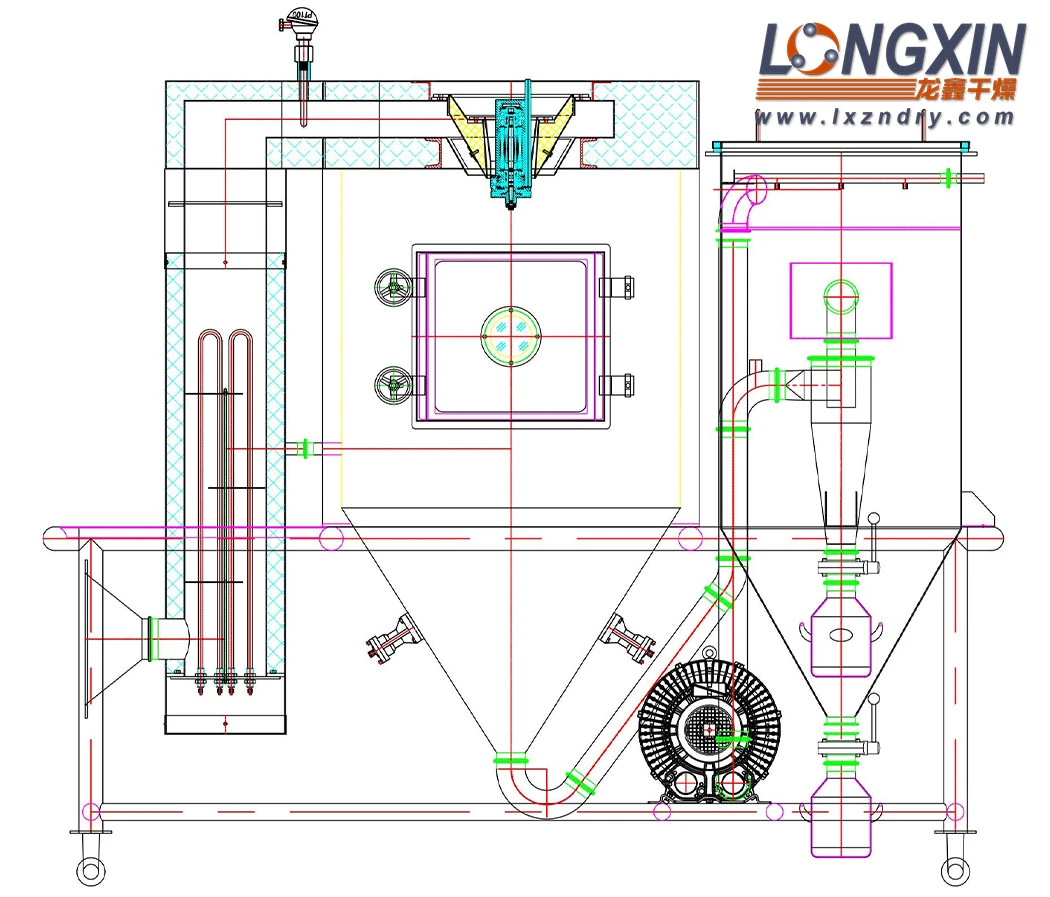
A high-speed atomizer wheel disperses the feed before the droplets contact the drying gas. The atomizer is installed in the air distributor at the top of the chamber. Wheel design can be selected for abrasive or non-abrasive feeds, while peripheral speed, feed rate and liquid properties influence droplet formation and powder morphology.
The reference mean powder particle size is 20–50 µm, depending on the material and operating conditions.
Two-Fluid Nozzle — Co-Current or Mixed-Flow Drying
A two-fluid nozzle uses high-velocity compressed air to atomize the liquid feed. The atomizing-gas-to-liquid flow ratio provides a means of adjusting droplet size. In a co-current arrangement, the nozzle is positioned near the upper air distributor for processing heat-sensitive materials.
The stated atomizing air pressure is 1.0–6.0 bar, with a reference mean powder particle size of 10–40 µm. Nozzle selection and operating settings are matched to the feed.
Pressure Nozzle — Co-Current or Fountain Mode
A pressure nozzle converts liquid pressure into the kinetic energy needed to form a spray. Feed pressure and nozzle size influence particle formation. For fountain-mode operation, the nozzle is installed in the chamber cone and sprays upward, providing a mixed-flow arrangement for suitable, less heat-sensitive materials.
The reference mean particle size for the stated fountain-mode arrangement is 60–90 µm. These particle-size ranges are application-dependent reference values, not guaranteed results for every formulation.
Features for Reproducible Process Development
- Interchangeable atomization: compare rotary and nozzle-based drying methods as feed properties and research targets change.
- Adjustable process settings: configure drying-air temperature, feed rate, atomization settings and airflow to suit the material and selected equipment.
- Rapid start-up: an integrated control system and start-up checks simplify preparation once the required utilities and equipment setup are in place.
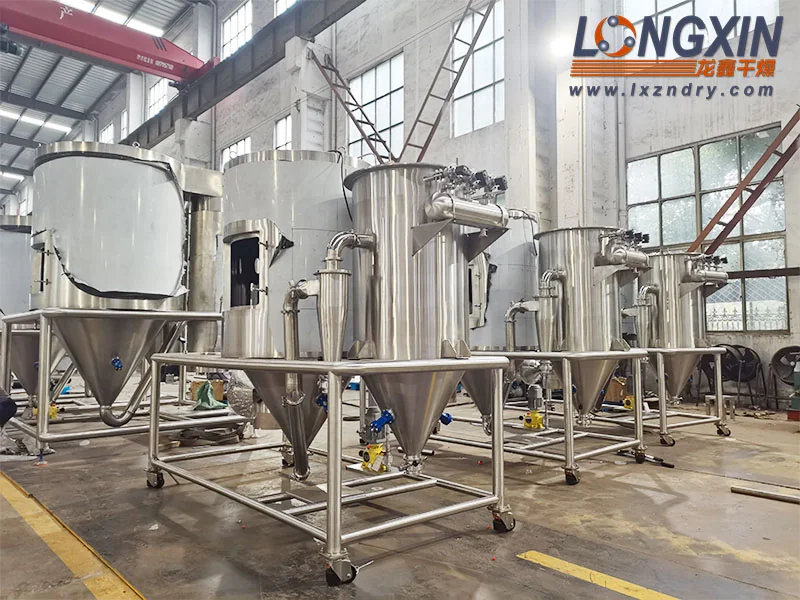
- Compact layout: modular and integrated arrangements accommodate laboratory space constraints; mobile frames are available in the illustrated configurations.
- Cleaning and maintenance access: accessible chambers and removable atomization components support cleaning, inspection and routine maintenance between trials.
Fine droplets provide a large area for heat and mass transfer, enabling rapid drying. Researchers can use the resulting trial data to compare particle uniformity, sphericity, flowability and residual moisture, and to develop parameters for subsequent scale-up.
Five Configuration Options
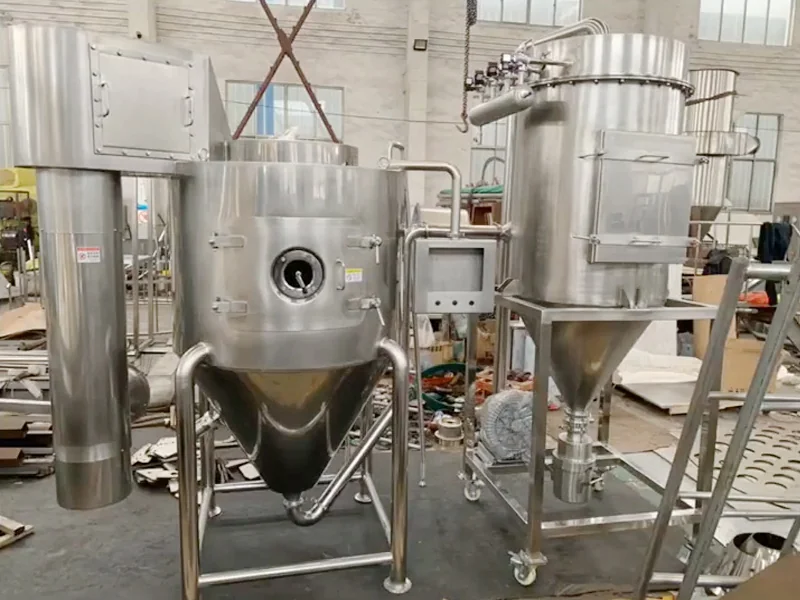
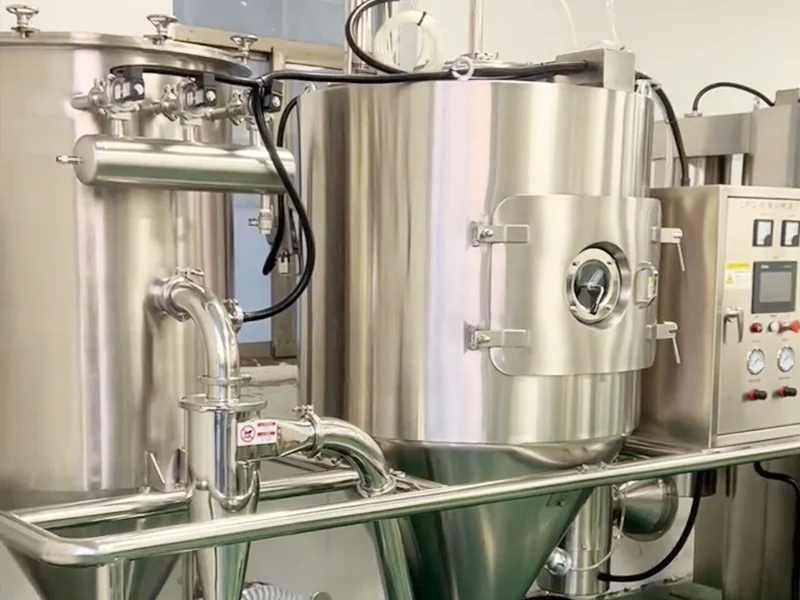
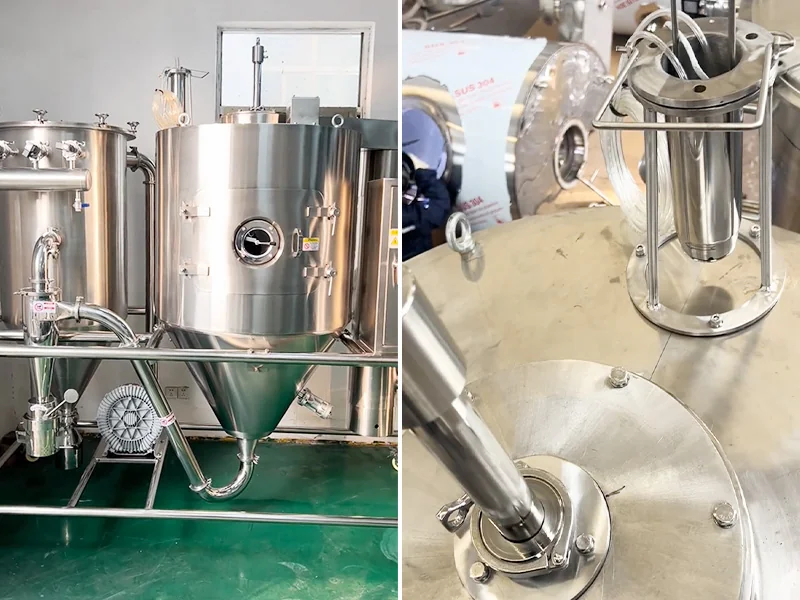
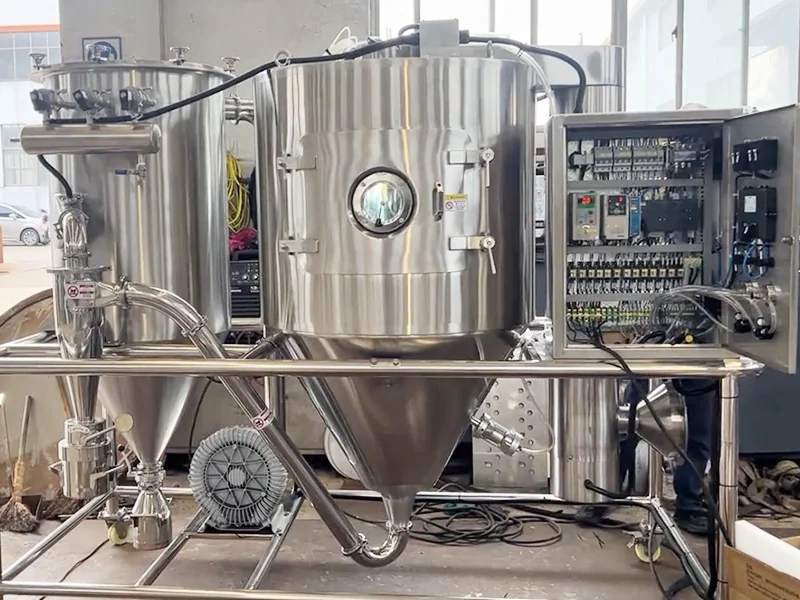
The following arrangements illustrate the available LPG-Y platform configurations. Equipment and controls are selected for the material, drying duty and powder-handling requirements.
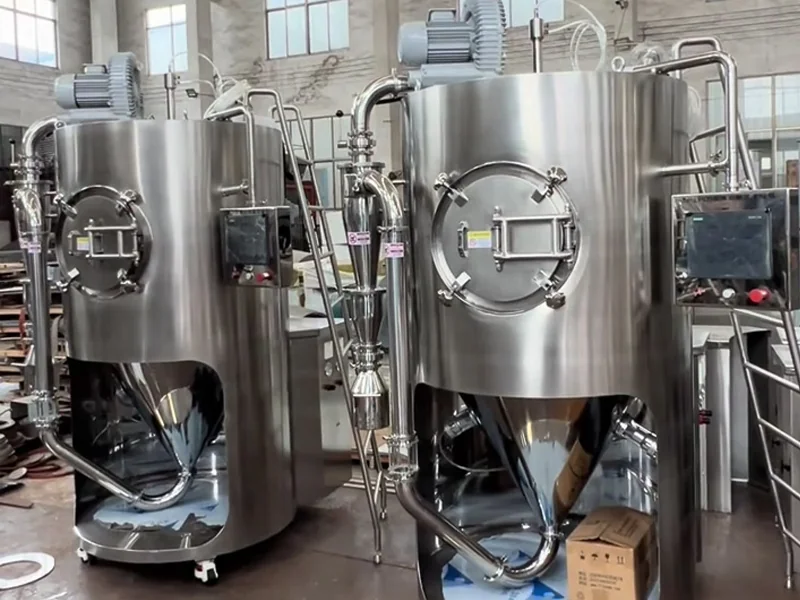
1. Rotary and Two-Fluid Multi-Purpose Spray Drying
A modular arrangement with interchangeable atomization options for comparing drying methods and preparing samples across a range of liquid feeds.
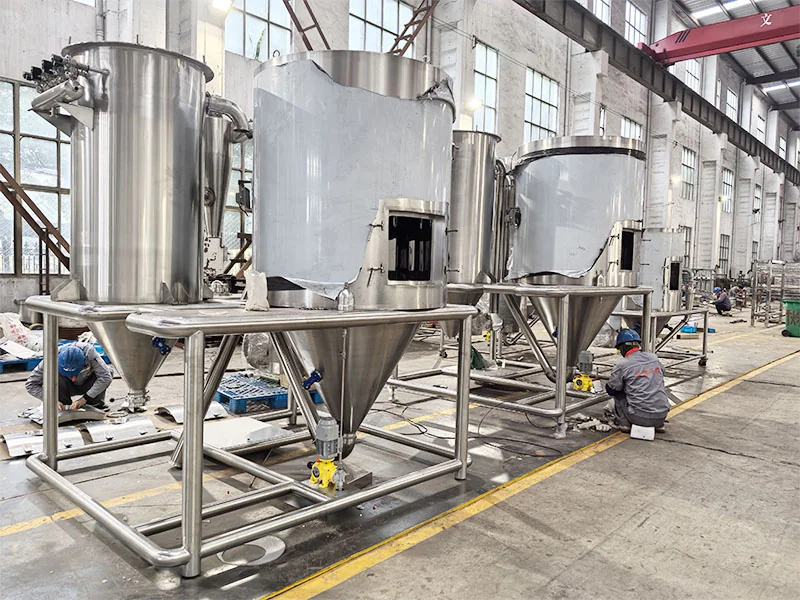
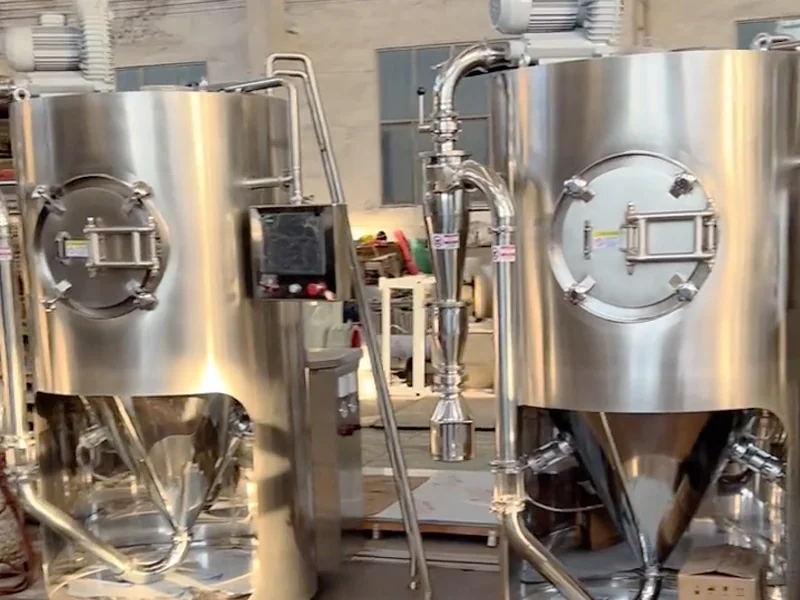
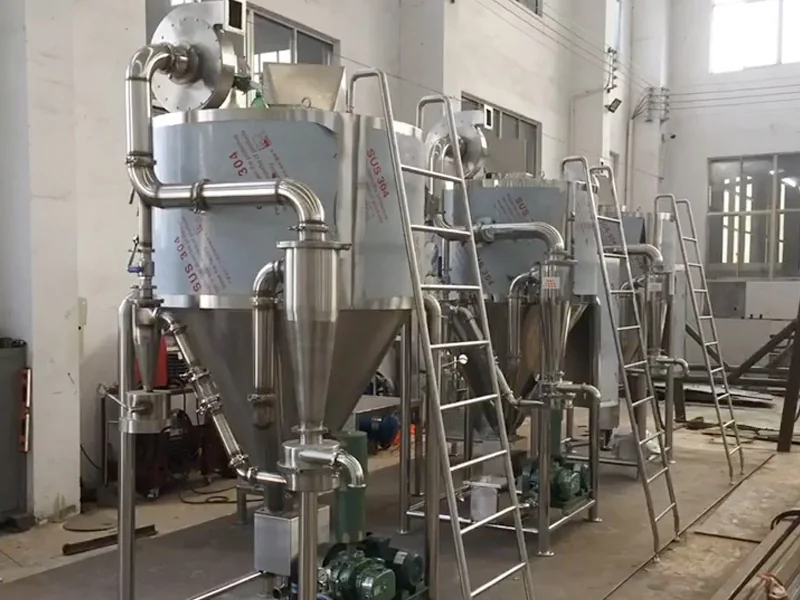
2. Integrated Spray Dryer
A compact integrated layout brings the main drying components and controls together for laboratory installation and day-to-day operation.
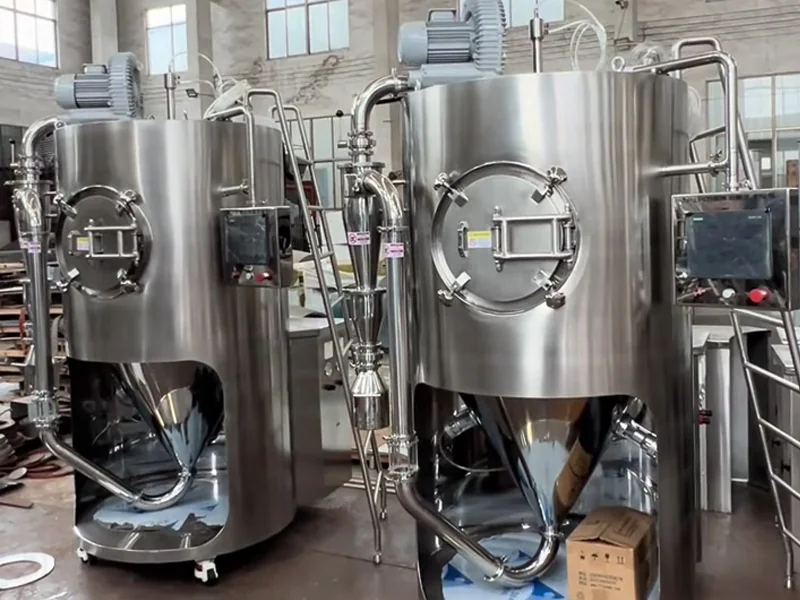
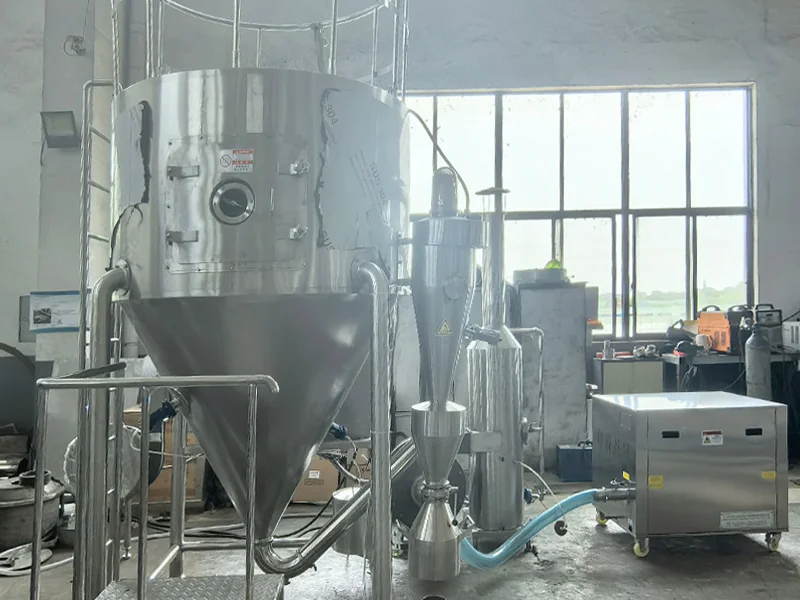
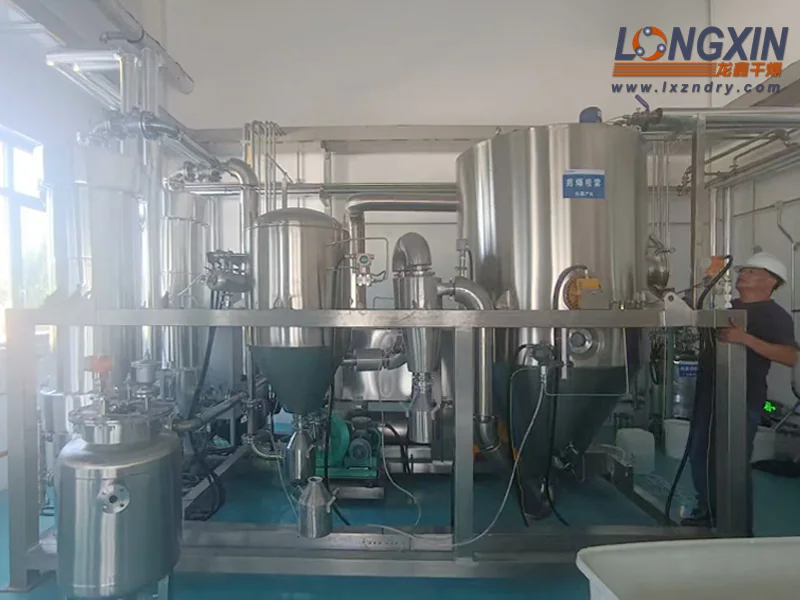
3. Wet Scrubbing and Cooled Pneumatic Conveying
This arrangement combines water-film wet scrubbing with cooled pneumatic conveying for the specified exhaust-treatment and powder-handling process.
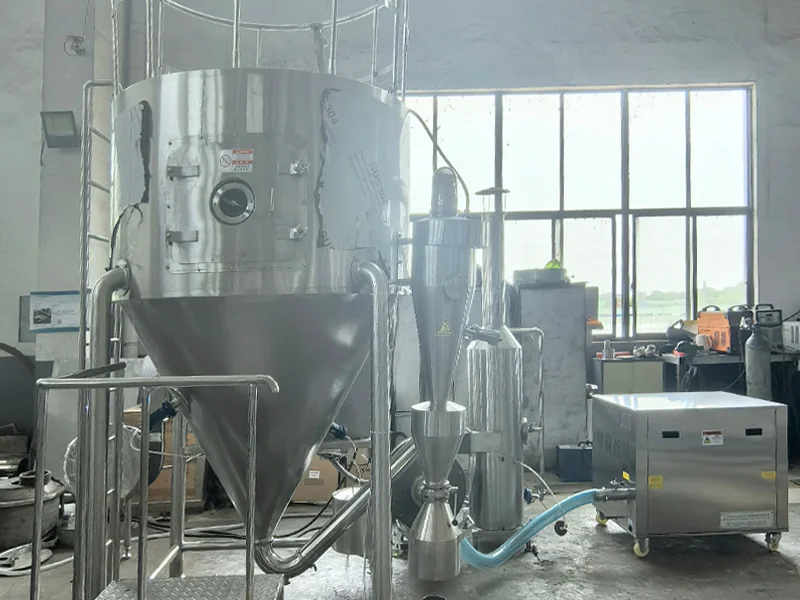
4. Cooled Wall, Air Sweep and PLC Control for Herbal Extracts
For herbal extract applications, the illustrated configuration combines chamber-wall cooling, an air-sweep system, cooled pneumatic conveying and PLC control. The arrangement is selected to suit the extract and its drying and powder-handling behavior.
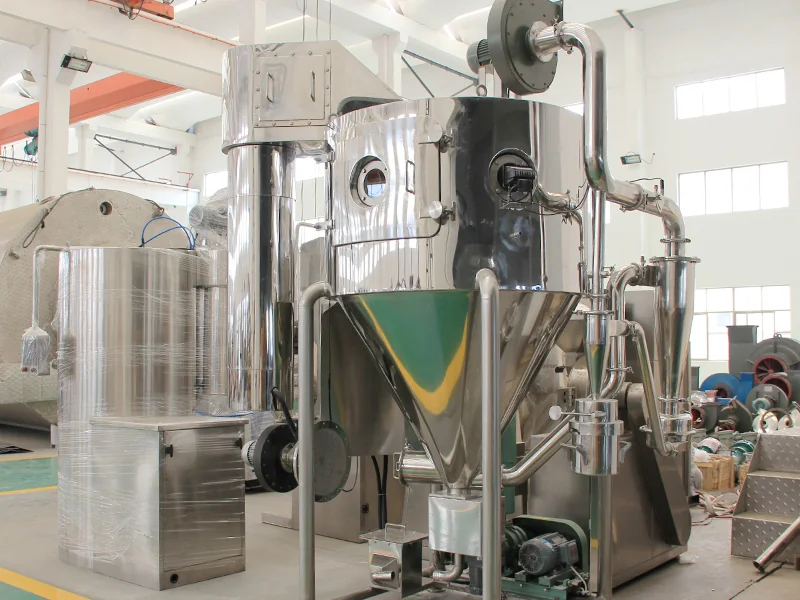
5. Closed-Loop Spray Drying
A separate closed-loop configuration recirculates the process gas. A nitrogen-based arrangement can be specified for suitable feeds, with the gas circuit and recovery equipment selected for the material and solvent system.
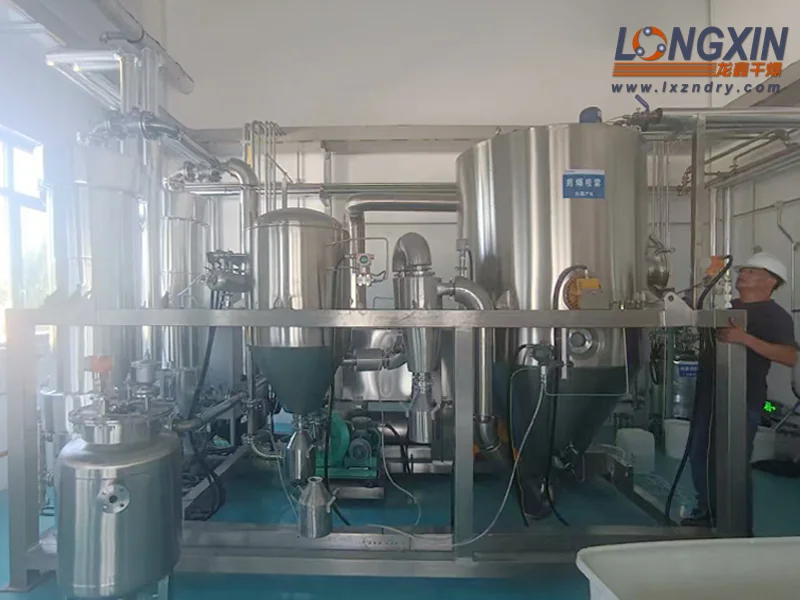
Discuss Your Laboratory Drying Application
To select a suitable LPG-Y configuration, share the feed composition and solvent, solids content, viscosity, sample quantity or feed rate, target particle size and residual moisture, temperature sensitivity, available utilities and laboratory space. Include any requirements for powder cooling, collection, cleaning or closed-loop operation.
Longxin can use these details to discuss atomizer selection, material trials and the equipment specification for your research or small-scale production process.
Selection Questions
Which atomization methods can the LPG-Y use?
The LPG-Y can be configured with rotary, two-fluid or pressure-nozzle atomization. Selection depends on feed viscosity, solids content, abrasiveness and target powder properties.
What information is needed to specify a laboratory spray dryer?
Share the feed composition and solvent, solids content, viscosity, sample quantity or feed rate, target particle size and moisture, temperature limits, utilities, lab space and collection needs.
Related Equipment and Applications
Discuss your material and request an equipment recommendation.