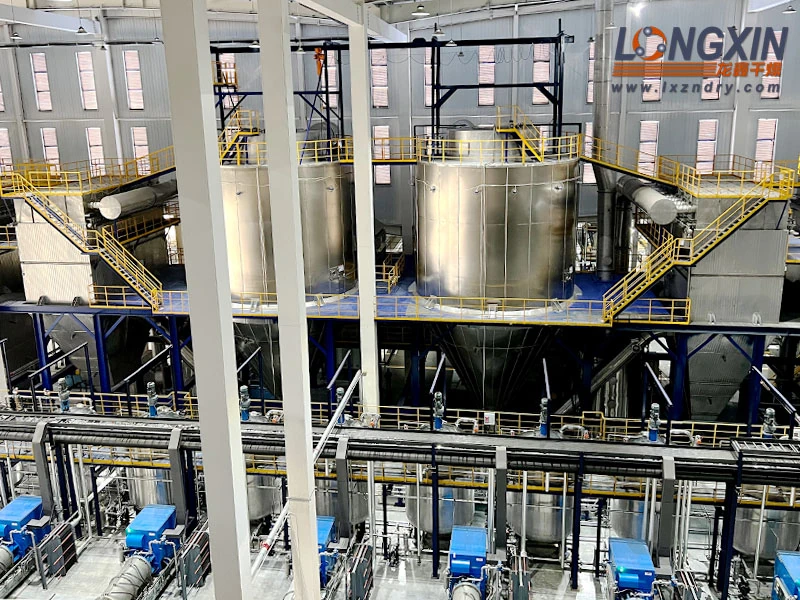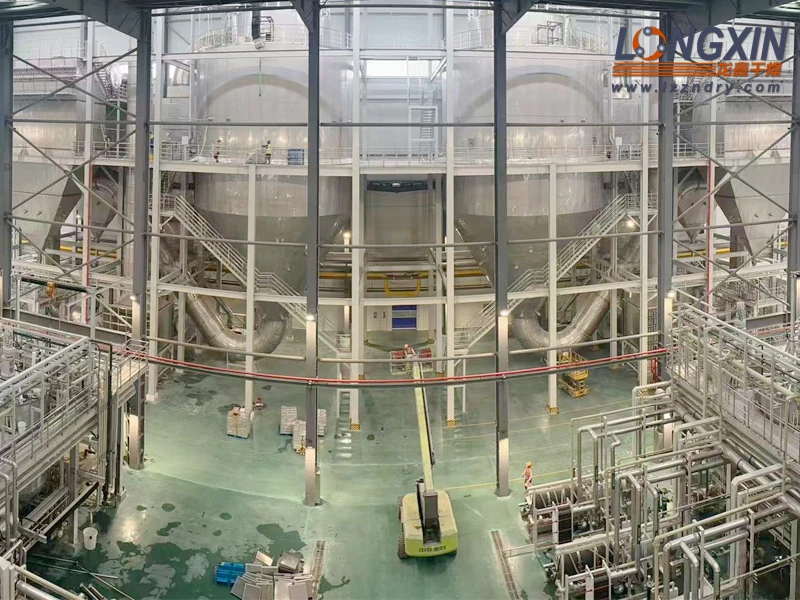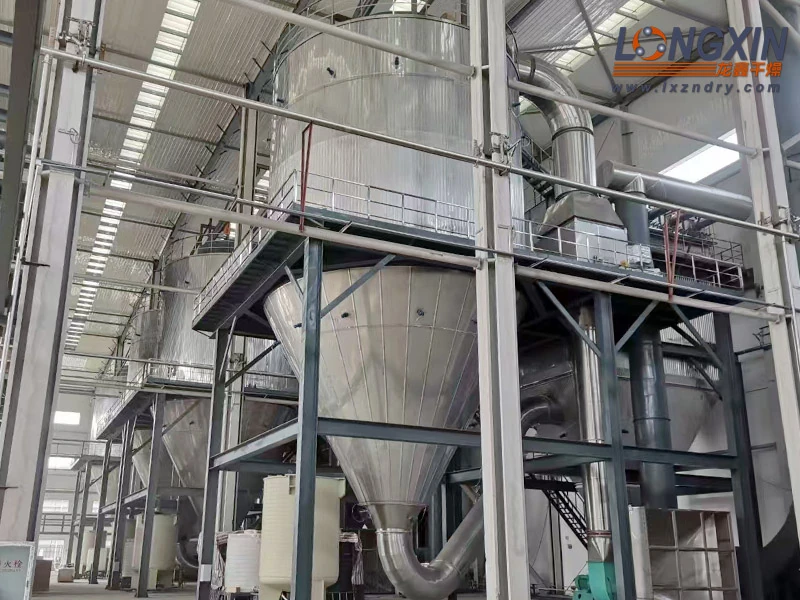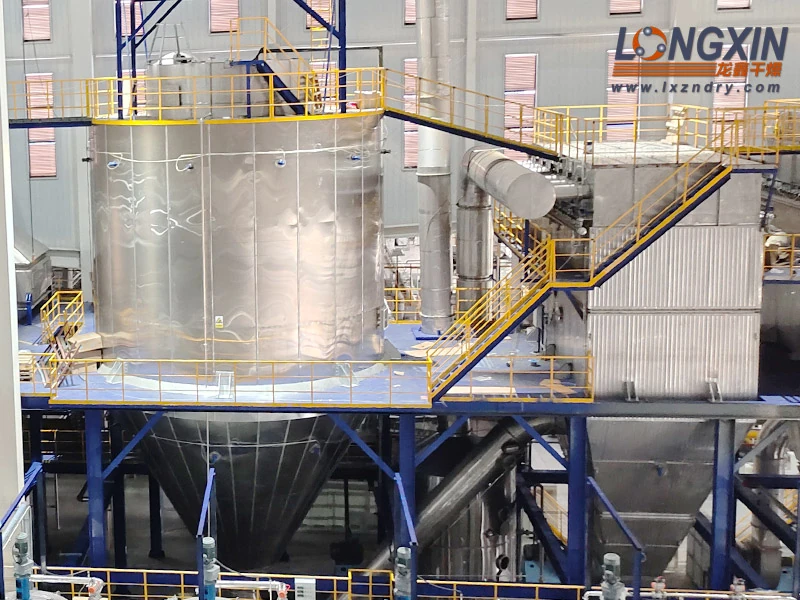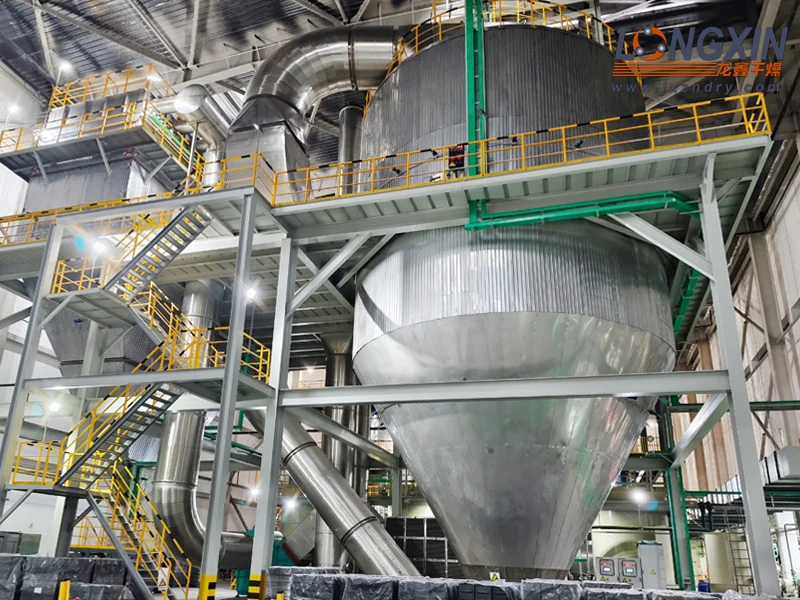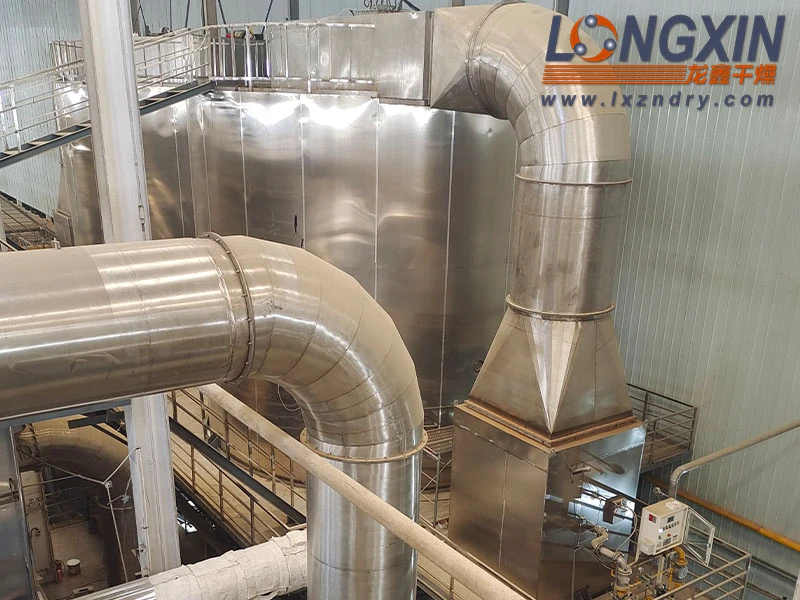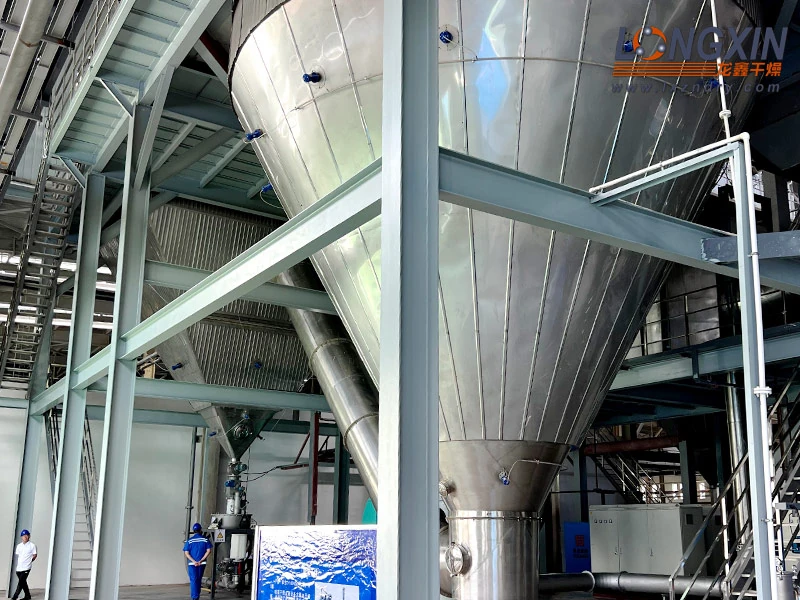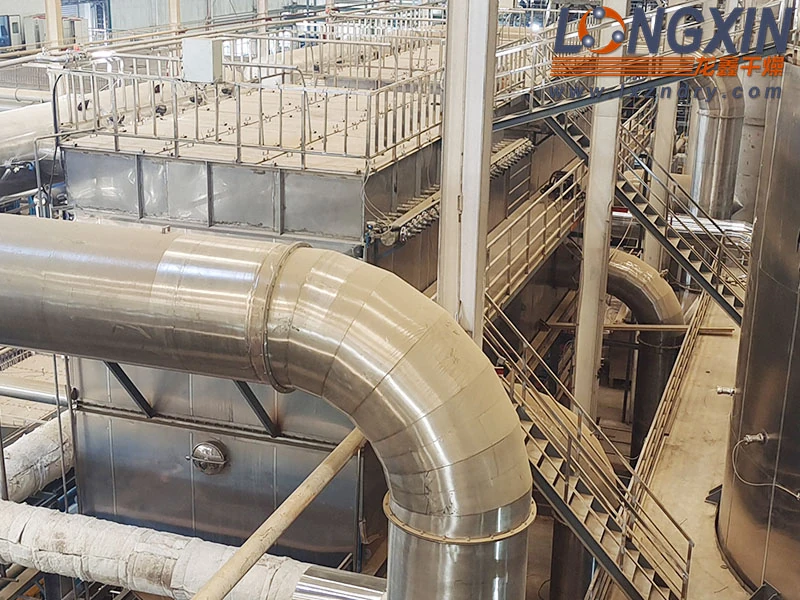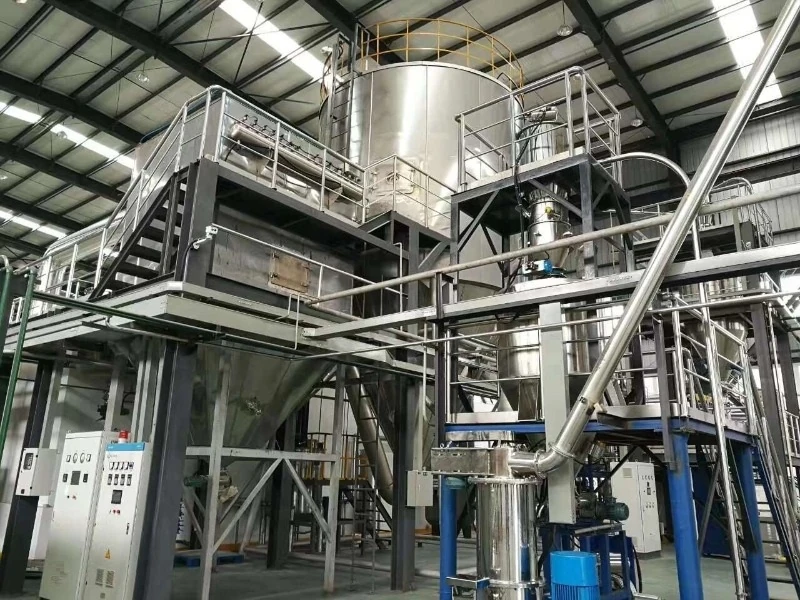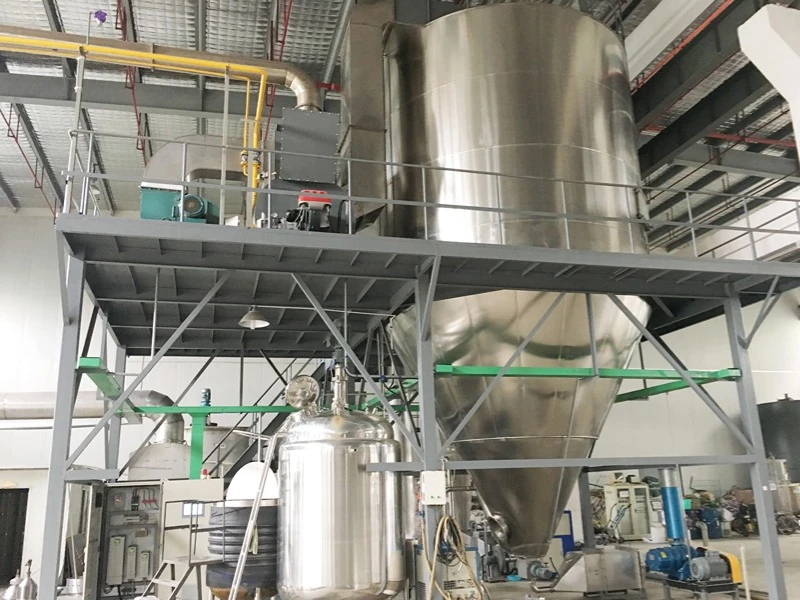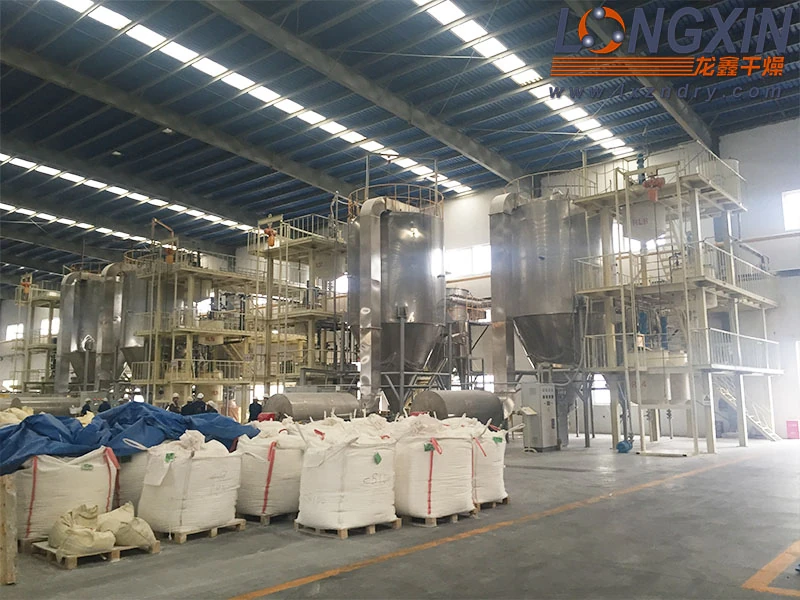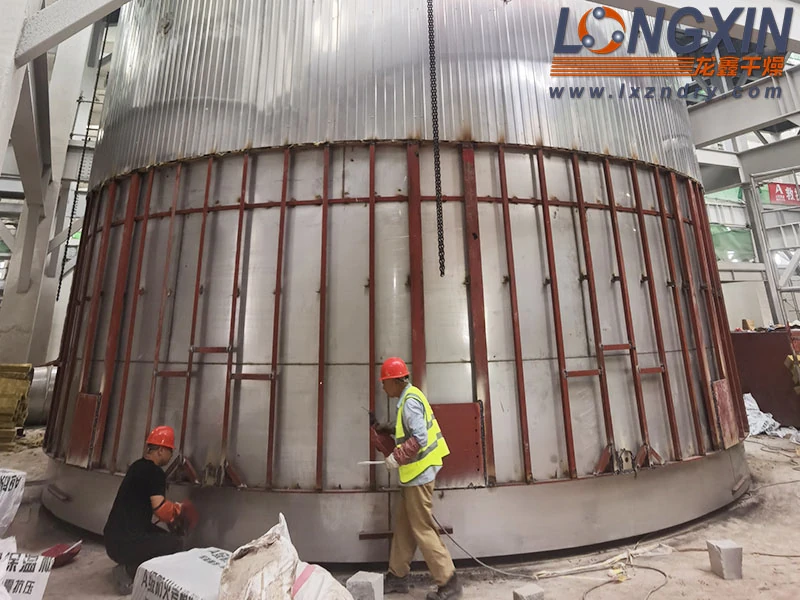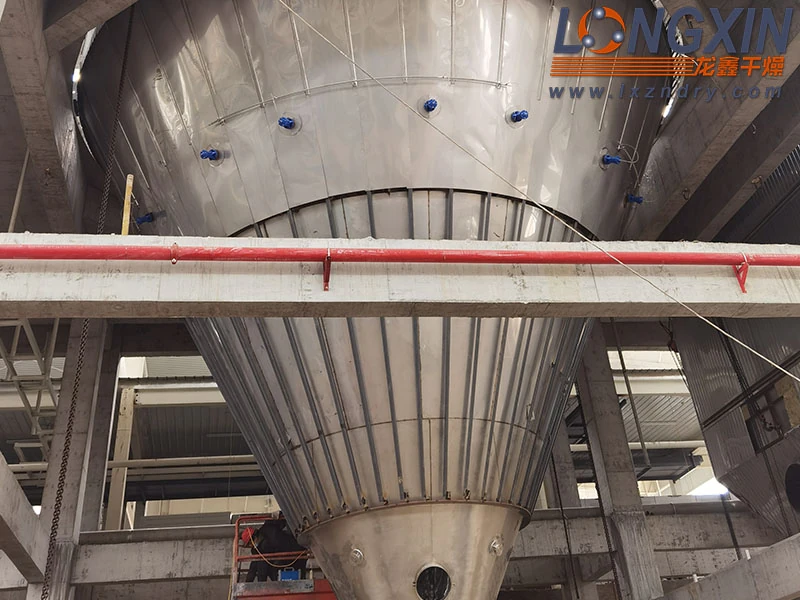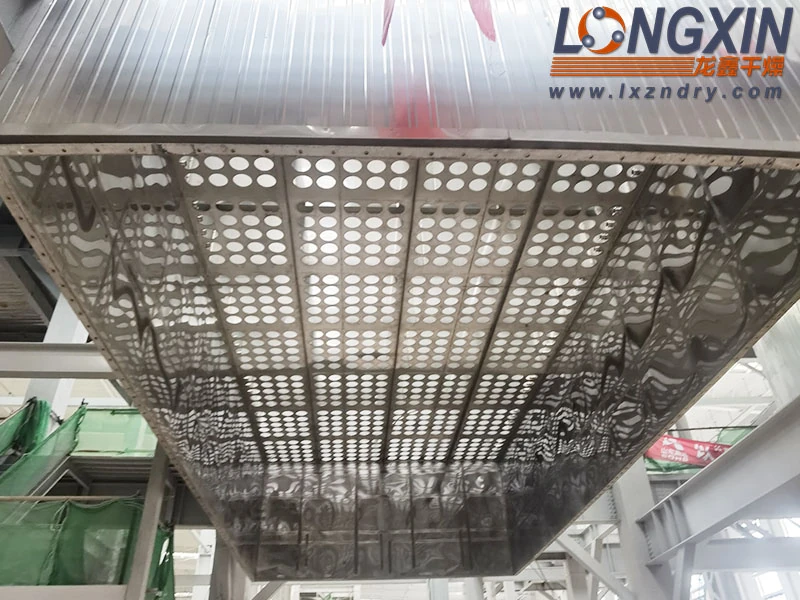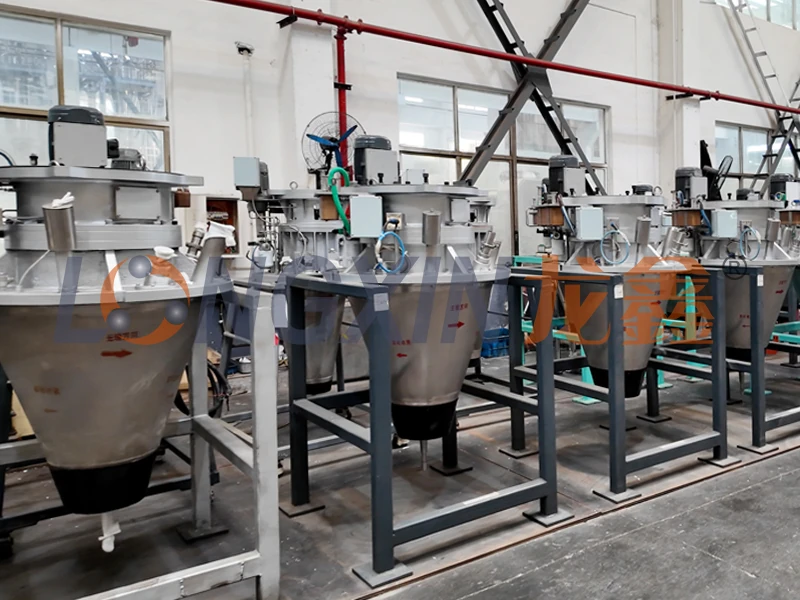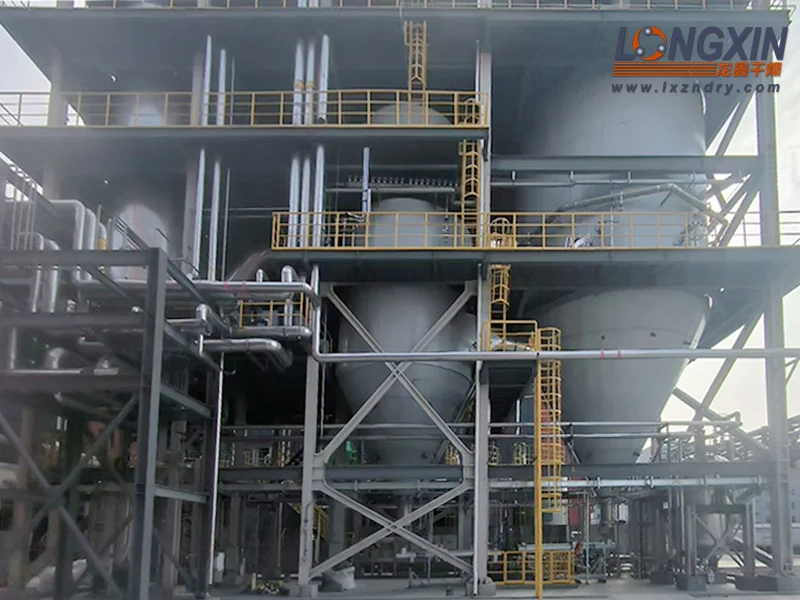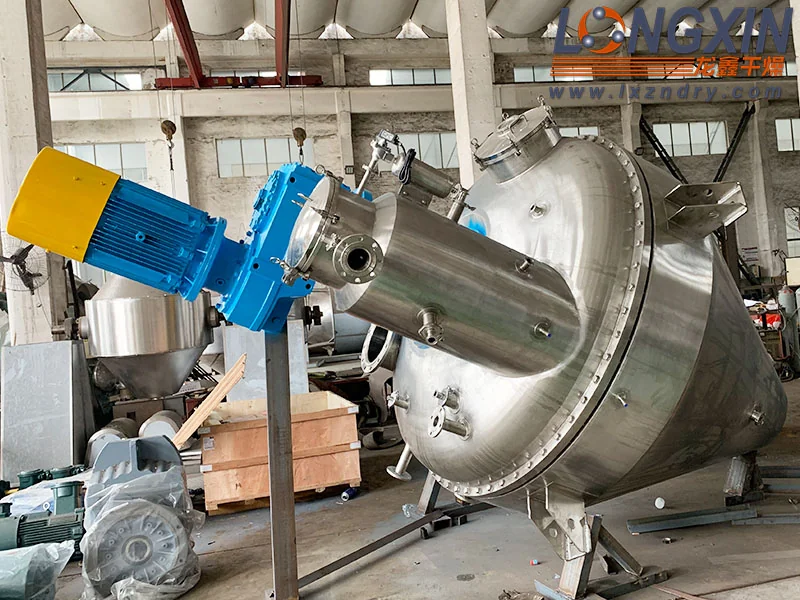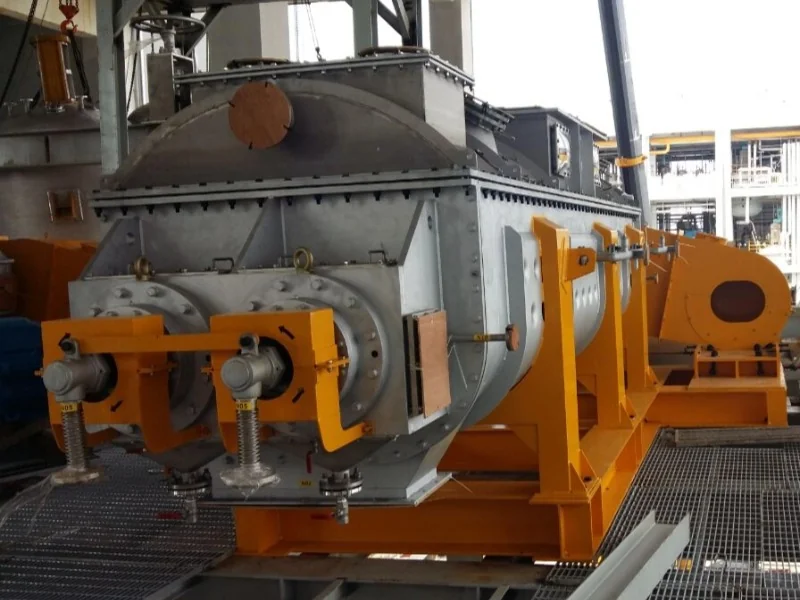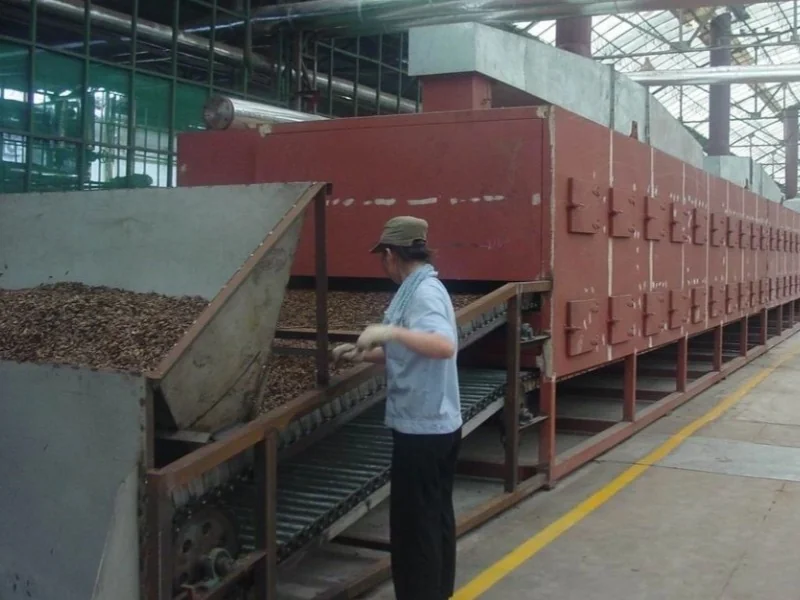
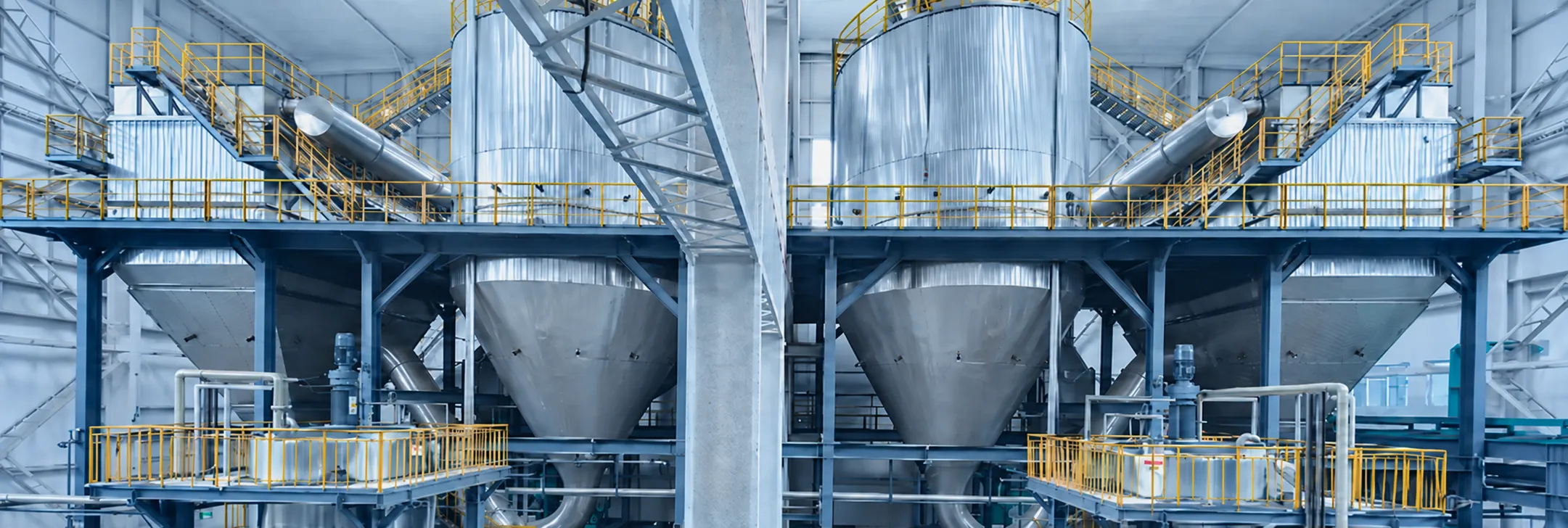
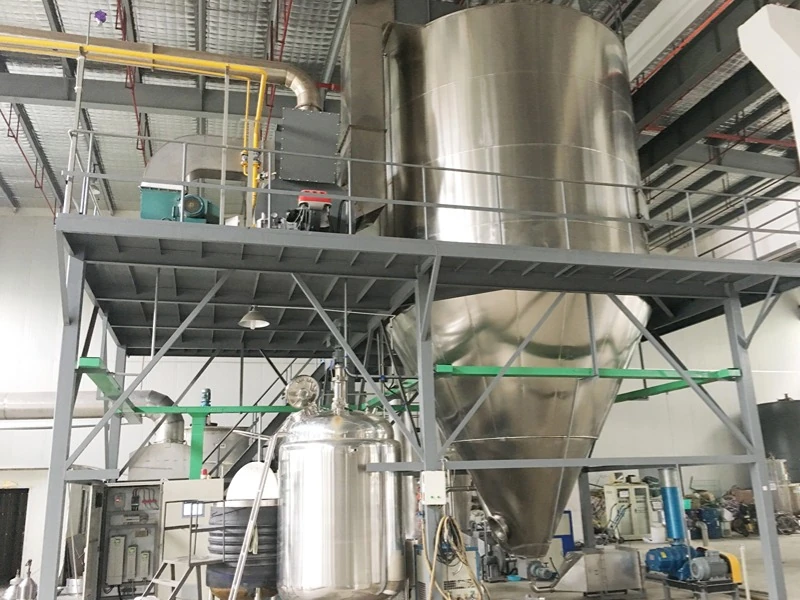
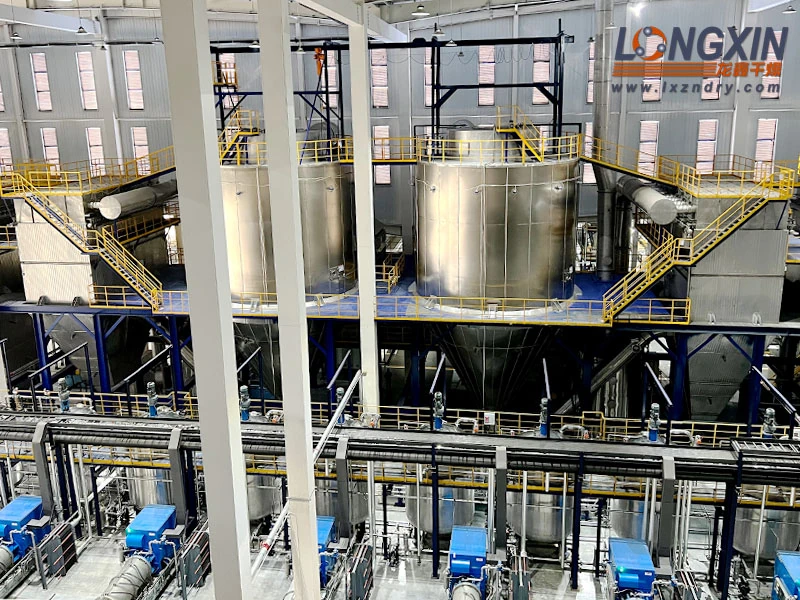
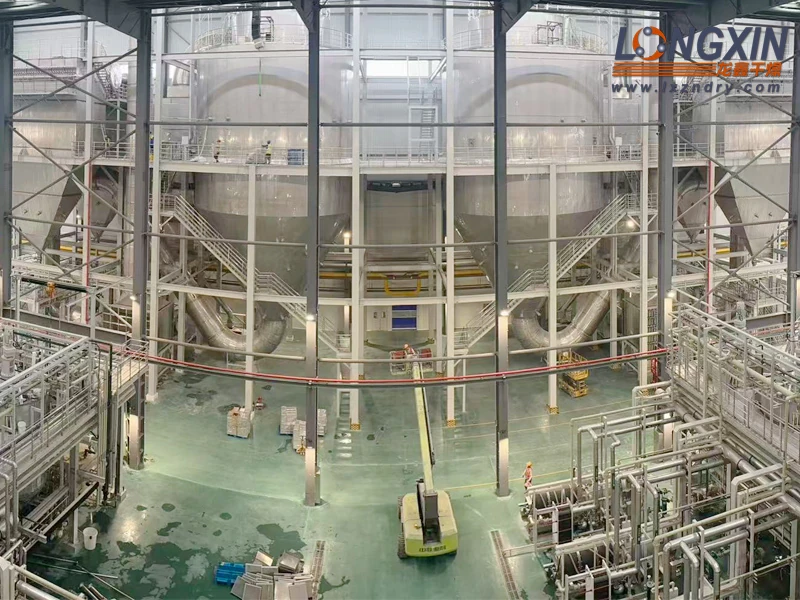
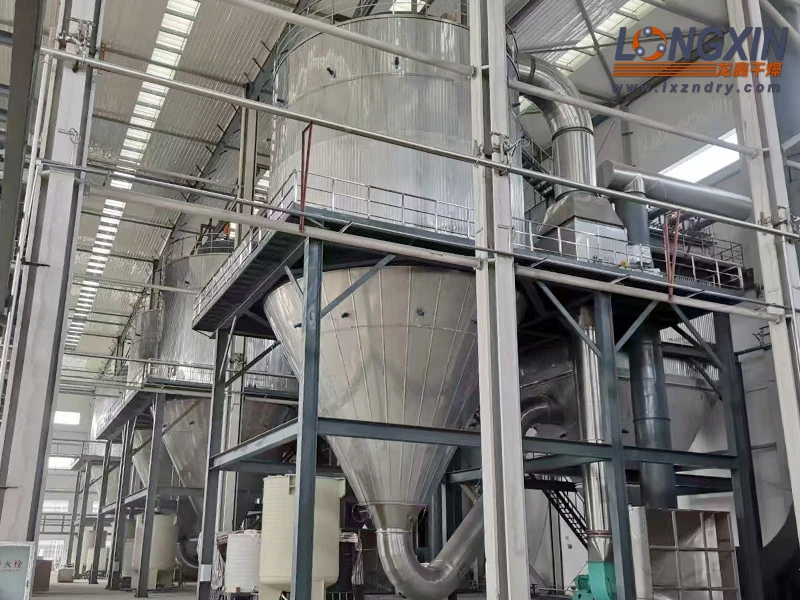
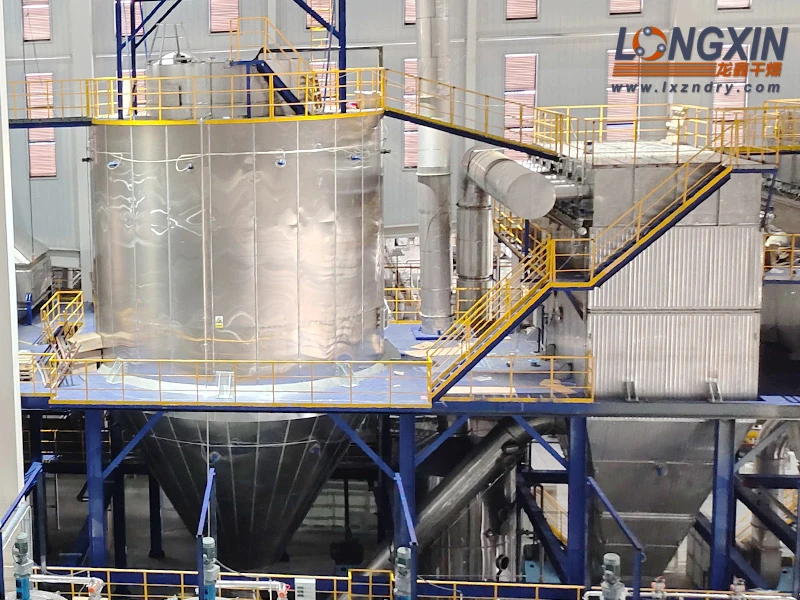
A Rotary Atomizer Spray Dryer is a drying system that atomizes a liquid feed into fine droplets and brings them into direct contact with hot air or another drying gas to produce a dry powder. The feed material may be a solution, emulsion, suspension, molten liquid, or paste. Depending on process requirements, the final dried product can be produced in the form of powder, granules, hollow particles, or agglomerates.
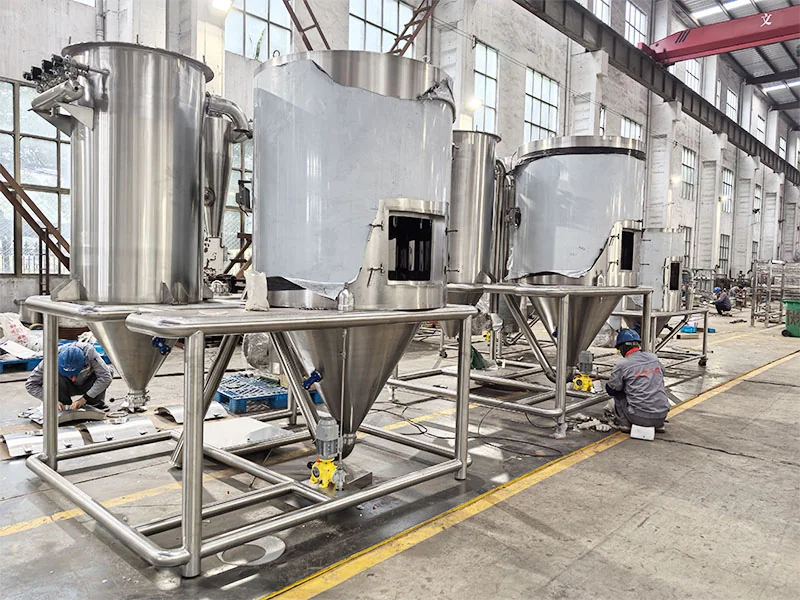
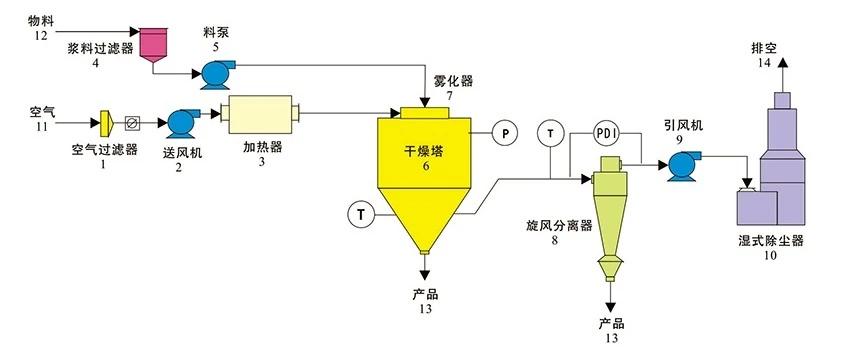
The Rotary Atomizer Spray Dryer is a co-current drying system using high-speed rotary atomization and hot-air circulation. The drying air first passes through primary and medium-efficiency filters and is then heated before entering the air distributor at the top of the drying chamber. The hot air is distributed evenly into the chamber in a spiral flow pattern.
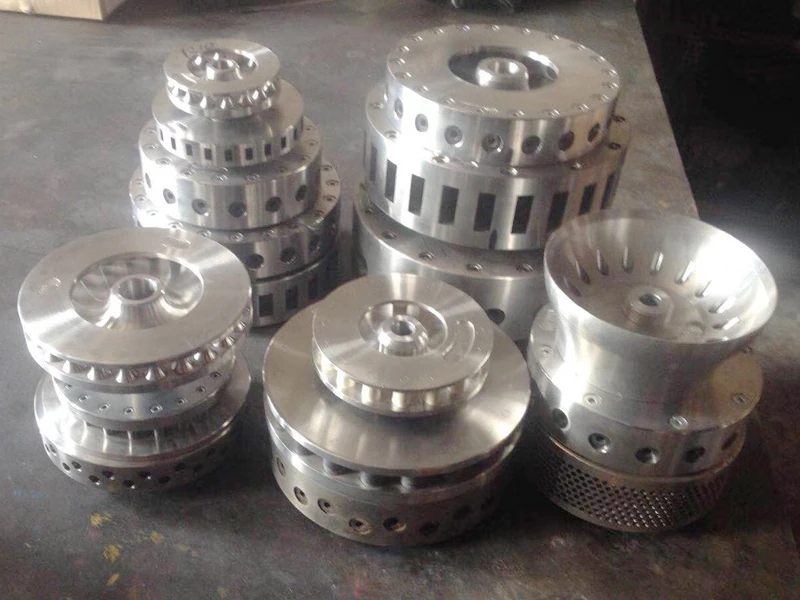
The liquid feed is delivered by a feed pump to a high-speed rotary atomizer installed at the top of the drying tower. Under centrifugal force generated by the rotating atomizer, the liquid is atomized into extremely fine droplets. These droplets come into co-current contact with the hot air and are rapidly dried into the finished product within a very short residence time.
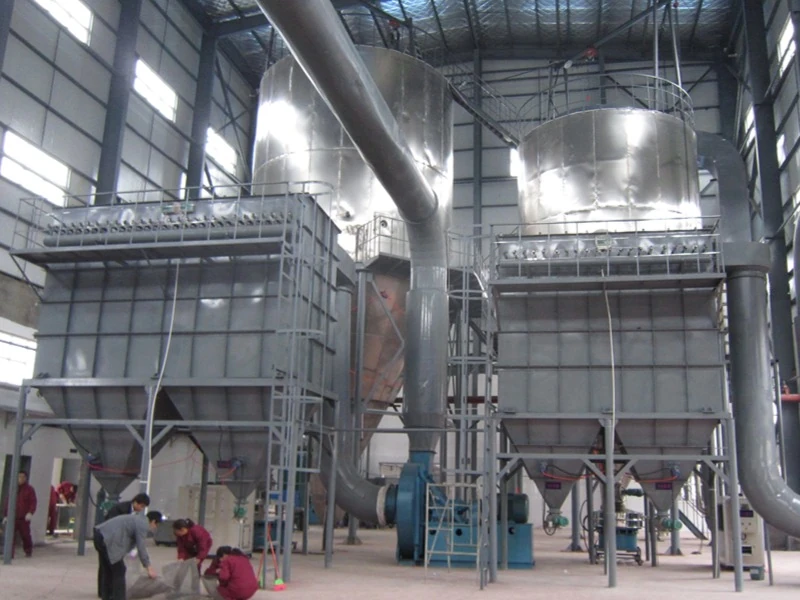
The dried product is continuously collected from the bottom of the drying tower and the cyclone separator. After dust removal, the exhaust gas is discharged by an induced-draft fan.
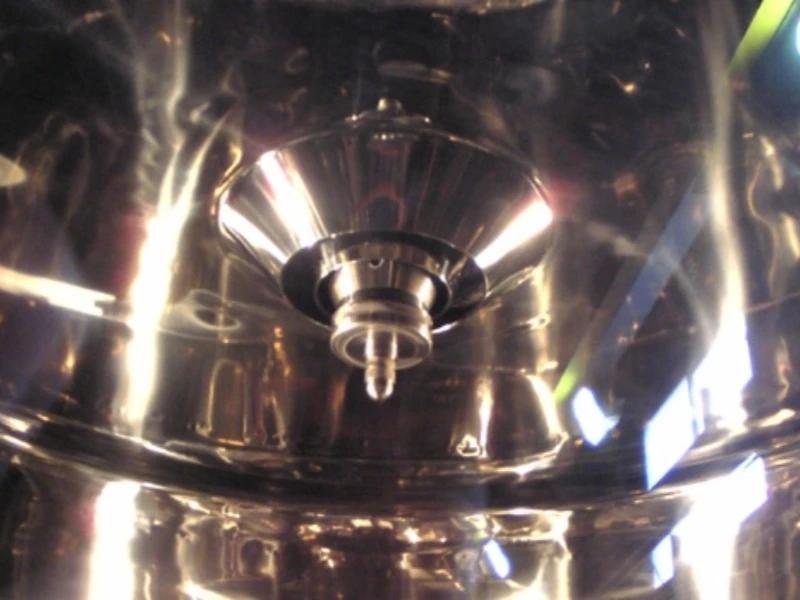
Rotary Atomizer Spray Dryer – Working Principle
The Rotary Atomizer Spray Dryer mainly uses the centrifugal force generated by a high-speed rotating atomizer to disperse the feed material into fine droplets. These droplets come into contact with hot air distributed through a volute-type hot-air distributor and are dried almost instantaneously.
Because the liquid is atomized from the edge of a high-speed rotating disc, with a peripheral speed above approximately 110 m/s, relatively large droplets can be formed, so a drying chamber with a larger diameter is generally required. At the same time, rotary atomization produces droplets with relatively uniform sizes. After rapid contact with the hot air, the droplets are dried into mostly hollow powder particles with relatively uniform particle-size distribution.
Rotary Atomizer Spray Dryers are widely used in industries such as chemicals, food, and pharmaceuticals. Different feed materials vary significantly in physical properties, and the required final products may also have different specifications. Therefore, each application may require specific process conditions, flow arrangements, equipment structures, operating parameters, and auxiliary systems.
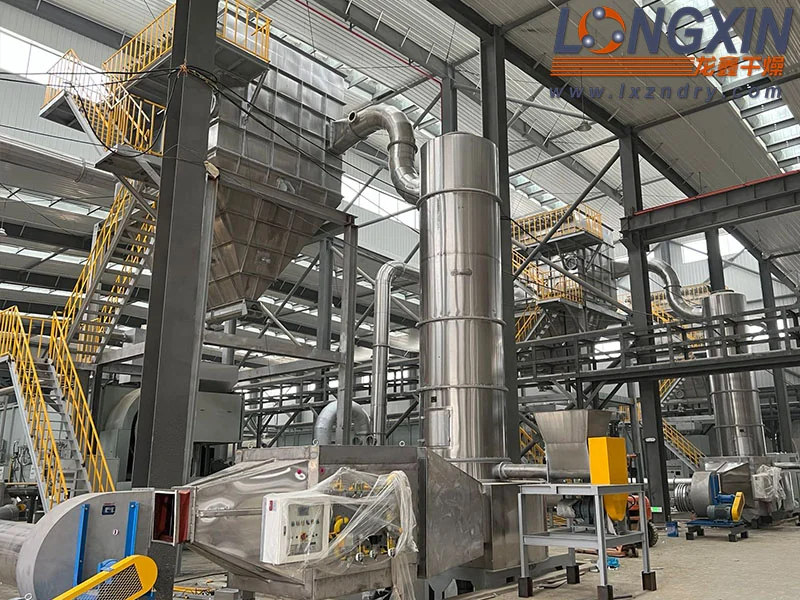
Different product separation and recovery configurations can be selected according to process requirements, including cyclone separators, bag filters, cyclone separator + bag filter combinations, cyclone separator + wet scrubber systems, and bag filter + wet scrubber systems. We can provide different powder recovery solutions according to the characteristics of the product and the customer’s requirements.
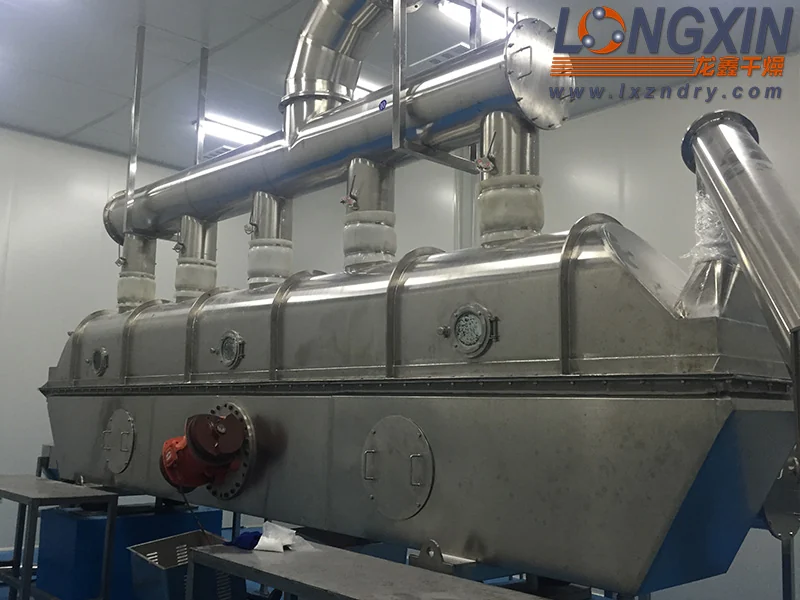
Depending on the product properties and process requirements, additional downstream systems can also be integrated after the Rotary Atomizer Spray Dryer, such as a secondary drying system using a ZLG vibrating fluidized bed dryer or pneumatic conveying system, as well as dehumidification systems, batching systems, and powder screening systems.
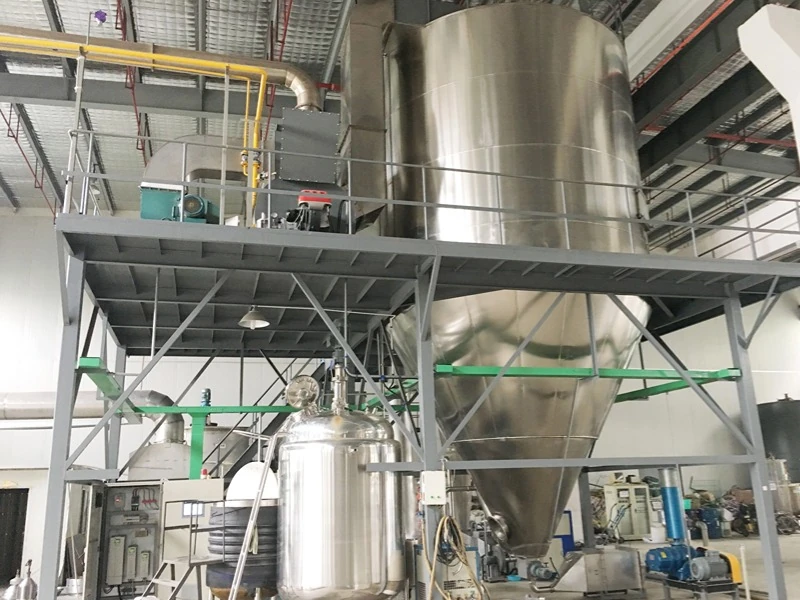
Rotary Atomizer Spray Dryer – Equipment Features
Longxin Drying has continuously refined its Rotary Atomizer Spray Dryers through years of practical experience and technological innovation, incorporating proven technologies and applying for multiple patents, including ZL2021 1 1037037.8 and 2021 2 1690483.4.
The equipment is widely used in the domestic market and exported overseas. In practical applications, key product parameters such as moisture content, color, aroma, particle size, solubility, and specific gravity can be effectively controlled to achieve the desired product quality.
Rapid Drying
After atomization, the surface area of the liquid feed increases significantly. When the droplets come into contact with hot air, approximately 95%–98% of the moisture can be evaporated almost instantly. The drying process takes only a few seconds, making the Rotary Atomizer Spray Dryer particularly suitable for heat-sensitive materials.
Good Powder Properties and Easy Operation
Since drying is completed in a hot-air environment, the resulting particles generally retain a near-spherical shape similar to the original droplets. The final product offers good dispersibility, flowability, and solubility.
The Rotary Atomizer Spray Dryer is simple and stable to operate, easy to adjust and control, and well suited to automated production.
Simplified Production Process
The Rotary Atomizer Spray Dryer can directly convert liquid feeds with a moisture content of approximately 40%–60%, and up to 90% for certain special materials, into powder products in a single drying step.
In many cases, no additional crushing or screening is required after drying, reducing processing steps and helping improve product purity. The system also provides a cleaner operating environment and helps reduce dust generation during production.
Flexible Control of Product Properties
Product particle size, bulk density, and moisture content can be adjusted within a certain range by changing the operating conditions of the Rotary Atomizer Spray Dryer, making process control and production management more convenient.
Wide Range of Feed Materials
The Rotary Atomizer Spray Dryer can process various feed forms, including solutions, slurries, emulsions, suspensions, pastes, molten materials, and filter cakes.
Rotary Atomizer Spray Dryer – Applications
Chemical Products
Polyaluminum chloride, disperse dyes, reactive dyes, organic catalysts, precipitated silica, detergent powder, zinc sulfate, silicon dioxide, sodium metasilicate, potassium chloride, calcium carbonate, potassium sulfate, inorganic catalysts, various waste liquids, and more.
Food Industry
Whole milk powder, fats, cocoa milk powder, milk substitutes, egg white and egg yolk powders, oats, chicken extract, instant tea, seasonings and flavorings, meat products, proteins, soy products, peanut protein, protein hydrolysates, corn syrup, corn starch, glucose, pectin, maltose, potassium sorbate, pumpkin powder, and more.
Pharmaceutical Products
Traditional Chinese medicine extracts, pharmaceutical pastes, yeast, vitamins, antibiotics, amylase, lipase, and other pharmaceutical or biological products.
Plastics & Resins
AB materials, ABS emulsions, urea-formaldehyde resins, phenolic resins, melamine-formaldehyde and urea-formaldehyde resins, polyethylene (PE), polyvinyl chloride (PVC), and more.
Detergents
High-grade detergent powder, general-purpose detergent powder, soap powder, soda powder, emulsifiers, whitening agents, phosphates, and other detergent-related materials.
Ceramics & Inorganic Materials
Aluminum oxide, zirconium oxide, magnesium oxide, titanium oxide, magnesium titanate, clay, kaolin, various ferrites, metal oxides, and other ceramic materials.
Rotary Atomizer Spray Dryer – Information Required for Ordering
Liquid Feed Information
Material name and properties, including solids content or moisture content, viscosity, surface tension, pH value, etc.
Required Product Characteristics
Powder bulk density after drying, allowable residual moisture content, particle size range, and maximum allowable temperature.
Special Requirements, if any
Specific gravity range, color, aroma, and other special product requirements.
Production Capacity
Required output and daily operating hours.
Available Energy Sources
Steam pressure, electricity, coal, fuel oil, natural gas, LPG, or other available fuels.
Control Requirements
Control methods for inlet and outlet air temperatures, feed system, pneumatic hammer, and overall system control.
Product Collection Requirements
Selection of cyclone separators, bag filters, wet scrubbers, or other collection systems according to product characteristics and environmental requirements.
Other Special Requirements
Workshop dimensions, height limitations, special electrical specifications, and other site-specific requirements.
Note:
Customers may provide only part of the above information according to their actual conditions. Other technical parameters can be determined after material testing or through consultation based on our experience.
Basic information such as the liquid material name, solids or moisture content, viscosity, surface tension, and pH value is particularly helpful for selecting and designing the appropriate Rotary Atomizer Spray Dryer.
Process Flow Diagram 1- Conventional
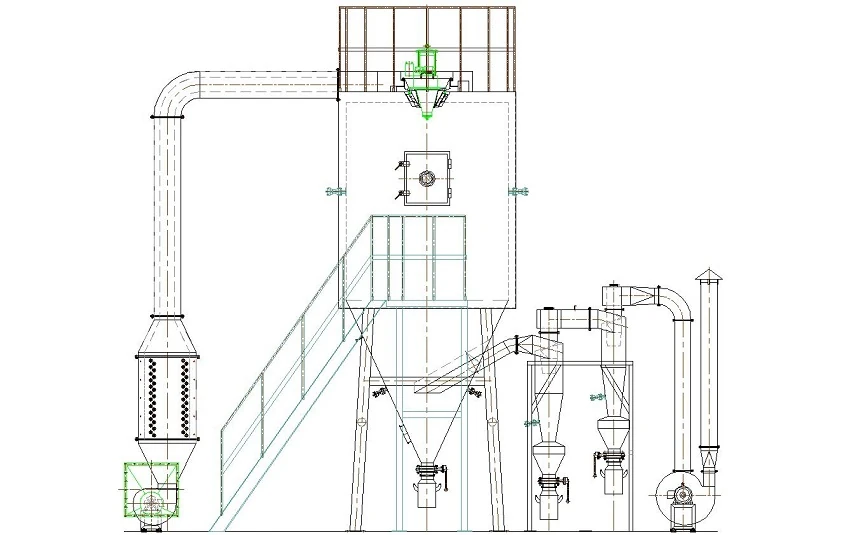
Process Flow Diagram 2- Cooling Conveyor+Centralized Material Collection
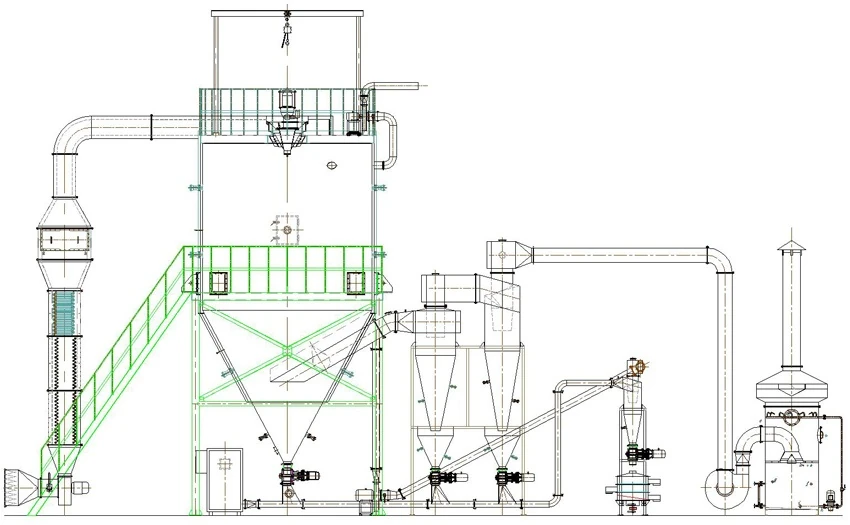
Process Flow Diagram 3- Tower Wall Air Cooling+Rotating Air Sweep+Cooling Conveyor+Centralized Material Collection
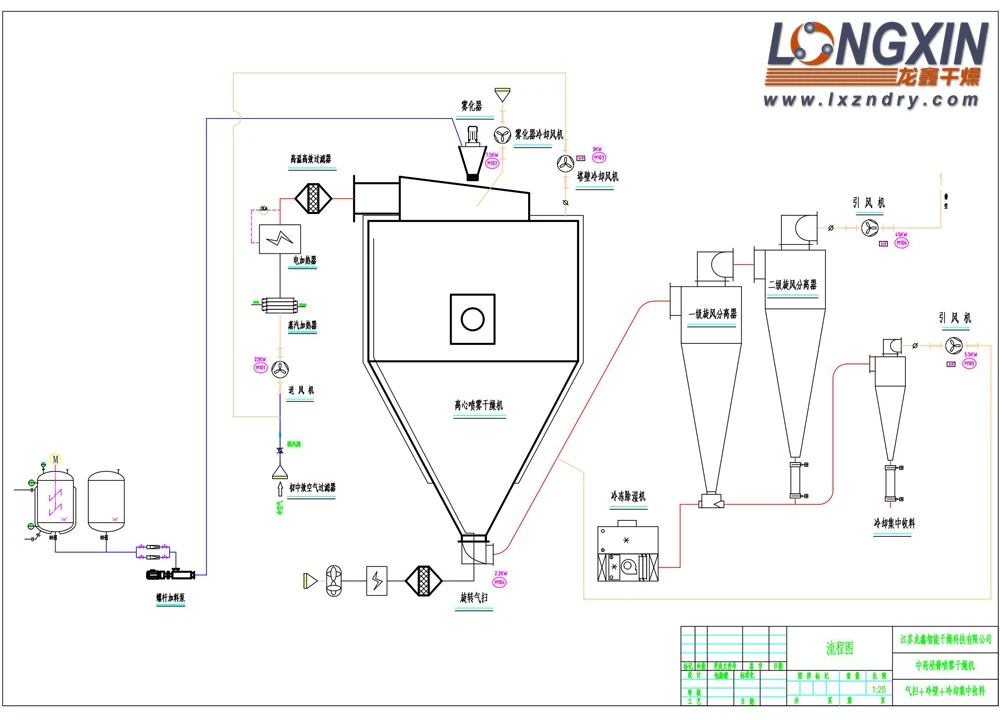
Selection Questions
How does the LPG system atomize the feed?
A feed pump delivers liquid to a rotating atomizer at the top of the drying tower. Centrifugal force disperses it into droplets that contact the drying air.
What information is needed to select a rotary atomizer spray dryer?
Provide the material and solvent, solids content, viscosity, required evaporation duty, target powder properties and available utilities. Final equipment selection depends on the material evaluation and project conditions.
Compare Spray Drying Options
Two-fluid nozzle spray dryer · Pressure nozzle spray dryer · Closed-loop spray dryer
Discuss your material and request an equipment recommendation.